
Wet Hire vs Dry Hire for Civil Plant (2026): Cashflow Traps + The Clean Facility Match
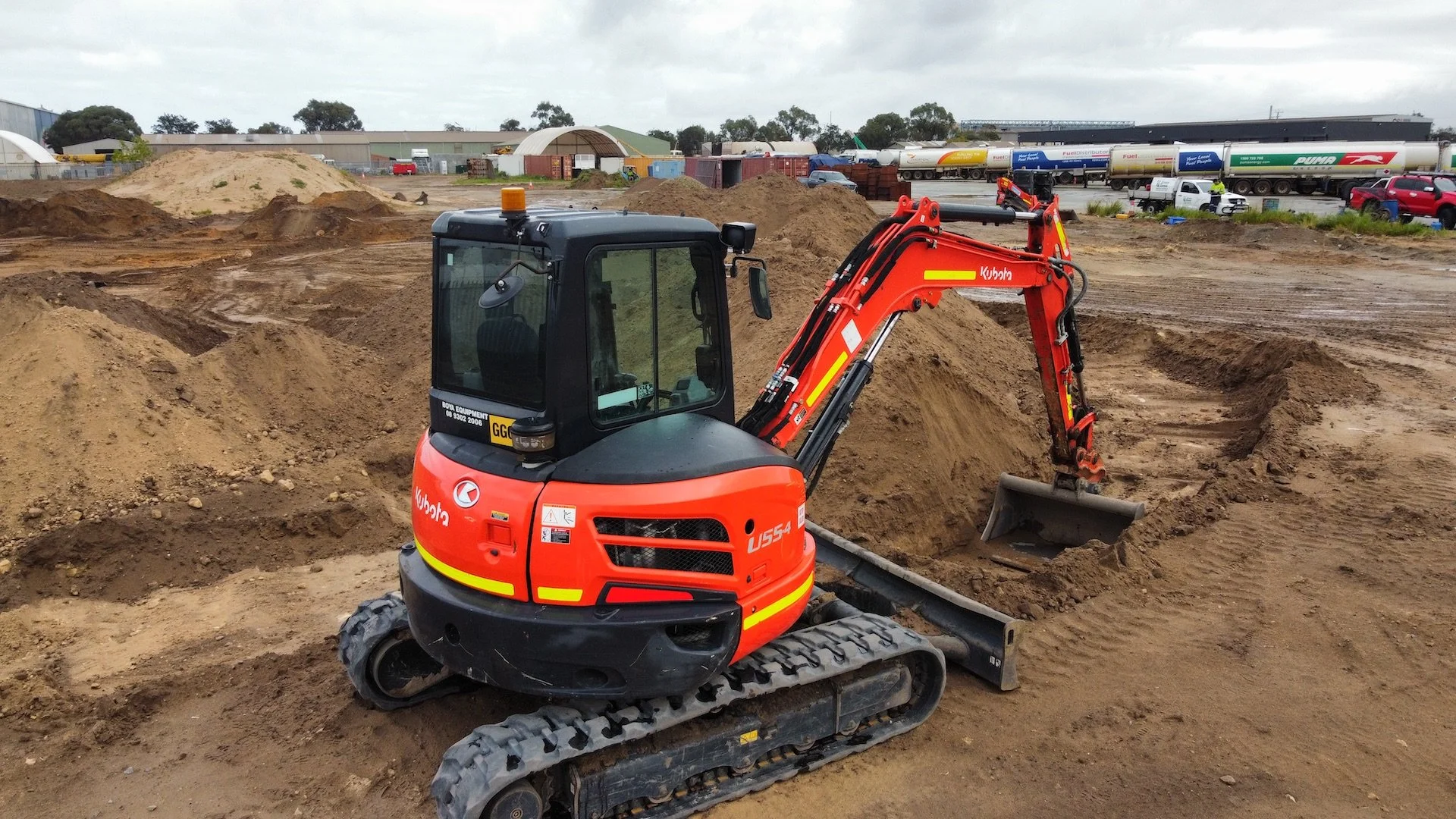
Wet hire vs dry hire for civil plant – Switchboard Finance
 🚧 civil plant hire · wet vs dry ·
Tradie Hub · 2026
🚧 civil plant hire · wet vs dry ·
Tradie Hub · 2026
Wet hire and dry hire can look identical on site — but they behave very differently in your Cashflow. The mistake is treating both like “just hire” and then getting surprised when deposits, idle days, and claim timing stack up.
If you want a quick refresher on how we structure tradie/civil funding cleanly, start with the hero guide: Tradie Finance. For general business setup and contracting basics, business.gov.au is a solid starting point.
Helpful next reads: What is Fleet Finance? · Business Cashflow System: WCL + LOC + Invoice
- Wet hire behaves like a “service job” (operator + fuel + utilisation risk).
- Dry hire behaves like “time-based rental” (standby days + damage + deposit timing).
- The clean approach is to match each to one Facility lane — and keep asset purchases separate.
Wet hire traps: where the margin disappears
Wet hire is usually won on rate — and lost on hours. If the machine or operator sits, your costs keep moving (wages, fuel runs, transport, and “standby” headaches), while the claim cadence stays the same.
The clean fix is to price and document wet hire like a job with milestones and clear Trade Terms, then fund the timing gap with a cashflow lane (not by forcing everything into one blended structure).
- Minimum hours / standby terms: written into the hire schedule.
- Fuel & travel: separated line items (so margin isn’t “invisible”).
- Operator costs: mapped against expected utilisation (not best-case).
- Proof of trading: consistent banking behaviour via Bank Feeds (reduces “what’s this payment?” follow-ups).
Dry hire traps: deposits, damage, and “dead days”
Dry hire looks simple until you add reality: big deposits, delivery/collection, damage disputes, and days where the machine is onsite but not earning. That’s where the “pre-start gap” appears (especially when multiple hires begin at once).
If you’re also buying plant, keep the purchase lane separate via Equipment Finance or Low Doc Asset Finance, and use a cashflow lane to smooth hire timing so repayments don’t fight mobilisation.
| Hire type | What drains cash first | What “clean” looks like | Best match (lane logic) |
|---|---|---|---|
| Wet hire | Wages + fuel + idle utilisation | Clear schedule + standby terms + simple job timeline | Cashflow lane that flexes around work timing |
| Dry hire | Deposits + delivery + dead days | Hire agreements grouped, deposits staged, dates documented | Cashflow lane that bridges deposits/claims cleanly |
| Buying plant | Upfront invoice + GST timing + delivery | Invoice-backed purchase file with consistent docs | Asset lane (separate from hire cashflow) |
The clean facility match: one lane for timing, one lane for assets
The approval-friendly structure is simple: fund assets as assets, and fund timing as timing. That’s also why the “facility match” matters — the wrong lane forces repayments to hit when work is lumpy.
Underwriters are mostly checking the basics: can you comfortably meet repayments without stretching Servicing, and do your documents support the story under the lender’s Approval Criteria? If you want the full “lane system” view, the breakdown is in: WCL + LOC + Invoice.
- Flexible swings: use the service lane at Business Line of Credit.
- Fixed discipline: use the service lane at Working Capital Loans.
- Receivables gap: use the service lane at Invoice Finance.
- Assets separate: keep purchases/ownership in Low Doc Asset Finance (don’t muddy it with hire timing).
Civil crews: wet hire usually breaks on utilisation (hours), dry hire breaks on deposits and dead days. Keep assets funded as assets, and keep timing funded as timing — one lane, one story, fewer questions.
Start here: Low Doc Asset Finance (plant ownership), Business Line of Credit, Working Capital Loans, Invoice Finance, plus the hero reads: Tradie Finance and What is Fleet Finance?.
FAQ
If the problem is a predictable mobilisation window (deposits, early labour, fuel buffer) and you want set repayments, it can be a clean fit. Link the story back to Working Capital and keep the “timing lane” separate from ownership funding like a Term Loan.
When you need draw/repay flexibility because hours and site access move around. Keep it tidy by documenting the link to the job cycle and your intended Business Line of Credit usage, with a clear ceiling on the Credit Limit.
When the gap is clearly tied to receivables timing (not lack of work). The cleaner pitch is: “we’re bridging Invoice Finance against known inflows,” supported by a simple Accounts Receivable view.
Because short-term timing support is assessed on stability and repayment confidence before the cycle normalises. A Director’s Guarantee can be part of that risk framework, alongside whether the facility is treated as a Secured Business Loan or not.
Sometimes — but it’s usually about documentation quality and consistency, not hype. If you’re relying on Low Doc style assessment, showing clean trading patterns and a sensible timeframe like 6–12 Months Trading helps the story stay grounded.
Disclaimer: This content is general information only and isn’t financial, legal, or tax advice.
