
Café Fitout Staging (2026): Front-of-House vs Back-of-House — The Upgrade Order That Stops Rework
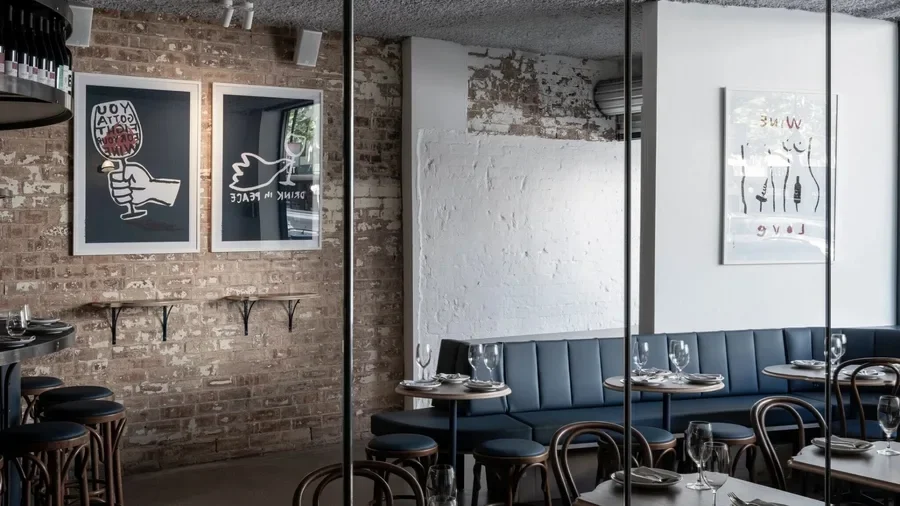
Café fitout staging for café owners – Switchboard Finance
 ☕ café fitout · staging ·
Business Owners Hub · 2026
☕ café fitout · staging ·
Business Owners Hub · 2026
Most cafés don’t run out of ideas — they run out of Cashflow because the fitout gets done in the wrong order. You buy the “pretty” bits first, then you rip them back up when plumbing, extraction, or power needs change.
This staging guide shows the clean sequence that prevents rework, keeps the story approval-friendly, and matches the right funding lane to each stage of Fit-Out Finance. For café owners getting started with business setup basics, https://business.gov.au/ is a strong reference point.
Helpful next reads: Café Fitout Financing in 2025 · The Real Cost of Running a Café (2025) · Why Banks Don’t Understand Café Businesses
- Back-of-house first: anything that touches water, power, airflow, cold storage, and dishwash.
- Front-of-house second: POS, seating, lighting, menu boards, and the “customer experience” layer.
- Only then lock aesthetics — because the “hidden” infrastructure decides the final layout.
Stage 1: Back-of-house first (because it controls everything)
Back-of-house is the part that forces redesign when it’s wrong. Extraction, drainage falls, grease management, cold storage placement, and power circuits decide where your machine, benches, and workflow can actually live.
Treat BOH decisions like the “base layer” and document the supplier sequence early — especially if you’re juggling delivery dates and Trade Terms. If you want a clean ladder approach by asset type, use these: Ventilation & Extraction Ladder and Water, Power & Plumbing Ladder.
- Air + heat: extraction sizing, make-up air, hood placement.
- Wet areas: drainage points, floor wastes, hot water capacity.
- Cold chain: fridge/freezer footprint + airflow clearances.
- Warewashing: bench heights, splash zones, chemical storage.
- Power: circuits for machine, grinder, fridge, dishwash (no “powerboard cafés”).
Stage 2: Proof the numbers (so the funding story stays clean)
Lenders don’t need your life story — they need a clean sequence and consistent trading behaviour. If the fitout is staged, approvals are usually easier to explain: “base layer first, revenue layer next.”
Before you commit to suppliers, do a simple cashflow forecast and sanity-check it against your recent Bank Statements. If your café runs seasonal swings, this map is the fast read: Café Seasonality Cashflow Map.
| Stage | What you lock in | What usually triggers rework | Best related guide |
|---|---|---|---|
| 1) Back-of-house base layer | Extraction, plumbing, power, cold storage, warewashing | Missed clearance, wrong drainage, undersized extraction | Ventilation Ladder · Warewashing Ladder |
| 2) Production + speed | Machine/grinder placement, workflow, prep zones | Queue bottlenecks, staff cross-traffic, “no landing zones” | Coffee Machine Ladder |
| 3) Front-of-house revenue layer | POS, payments, seating density, menu boards | Power/data points missing, layout blocks service speed | POS & Payments Ladder |
| 4) Final look + comfort | Lighting, finishes, signage, customer experience polish | Changing bench heights, moving equipment after styling | Fitout Financing |
Stage 3: Match the facility to the stage (timing vs assets)
The clean approach is: fund assets as assets, and fund timing as timing. That’s how you stop repayments colliding with supplier deposits, staff ramps, and “first-week wobble.”
If you’re bridging a short gap (deposits, trades, stock), a structured lane like Working Capital can be cleaner than stretching everything into one messy arrangement. For the full “system view” (and when to use each option), start here: Café Cashflow System.
- Flexible swings: Business Line of Credit style usage for lumpy weeks.
- Supplier pressure: pair this with Supplier Terms & Finance so deposits don’t ambush you.
- Wage rhythm: use this playbook when payroll hits weekly: Café Wage Weeks.
- Equipment upgrades: keep the asset lane separate via Equipment Finance or Low Doc Asset Finance.
Café owners: do back-of-house first (air, water, power, cold, wash) because it decides the layout. Front-of-house comes second (POS, seating, menu, vibe) once the base layer can’t move.
If you want the clean path: Café Fitout Financing, Café Cashflow System, and the “real world” sanity check: Real Café Costs. For approvals, keep it simple: one staged plan, clean quotes, and clear timing.
FAQ
If the equipment is the revenue engine, it often makes sense to keep it in the “asset lane” and stage everything else separately. One common structure for ownership-style setups is a Chattel Mortgage, while you keep the rest of the works staged and documented.
When the goal is usage first (not “this asset forever”), a structure like a Finance Lease can suit certain setups — especially when you want to keep decisions clean while the fitout is staged and the site proves itself.
If it’s used gear, you want to avoid “surprise security interests” that can kill an approval or create ownership headaches. That’s why a PPSR check is a simple step before you lock the purchase into your staging plan.
When a facility supports timing (deposits, ramp-up, wage weeks), the risk focus is “repayment confidence” during the messy middle. A Director’s Guarantee can be part of that risk framework — especially if the plan is staged and the uplift hasn’t fully landed yet.
The cleaner approach is to match repayments to the stage where the benefit shows up (not where the invoice gets paid). That’s why Term Length decisions should follow your staging plan — BOH first, revenue layer next, and only then the final “vibe” upgrades.
Disclaimer: This content is general information only and isn’t financial, legal, or tax advice.
