

Second Mortgage for an Investment Property Deposit (2026)
A second mortgage against existing property equity can fund the deposit on your next investment purchase, without liquidating assets or waiting for a refinance. This guide walks through the mechanics, costs, lender assessment criteria and the scenarios where it works cleanly versus where it stalls.

Whitecoat Finance Update: Equipment, Practice and Home Loans (2026)
The Whitecoat hub now covers equipment, vehicle, practice acquisition, and home loan pathways for GPs, dentists, specialists, and allied health professionals. This update maps every finance lane available to medical professionals in 2026 — including non-bank options that specialist lenders and major banks overlook.

Self-Employed Home Loan Refinance: When to Switch (2026)
Refinancing a self-employed home loan makes sense when the rate gap, equity position, or structure change justifies the break cost. This guide maps the specific timing triggers — fixed-rate expiry, income documentation shift, equity threshold — so you switch when the numbers work, not when a rate headline tells you to.

Low Doc Home Loans Sydney: Non-Bank Options (2026)
Sydney's median dwelling price sits around $1.296 million — and for self-employed borrowers whose tax returns understate their real income, low doc home loans through non-bank lenders are often the only realistic path. This guide covers LVR caps, deposit strategies, stamp duty thresholds and exactly what a Sydney-specific submission pack needs to contain in 2026.
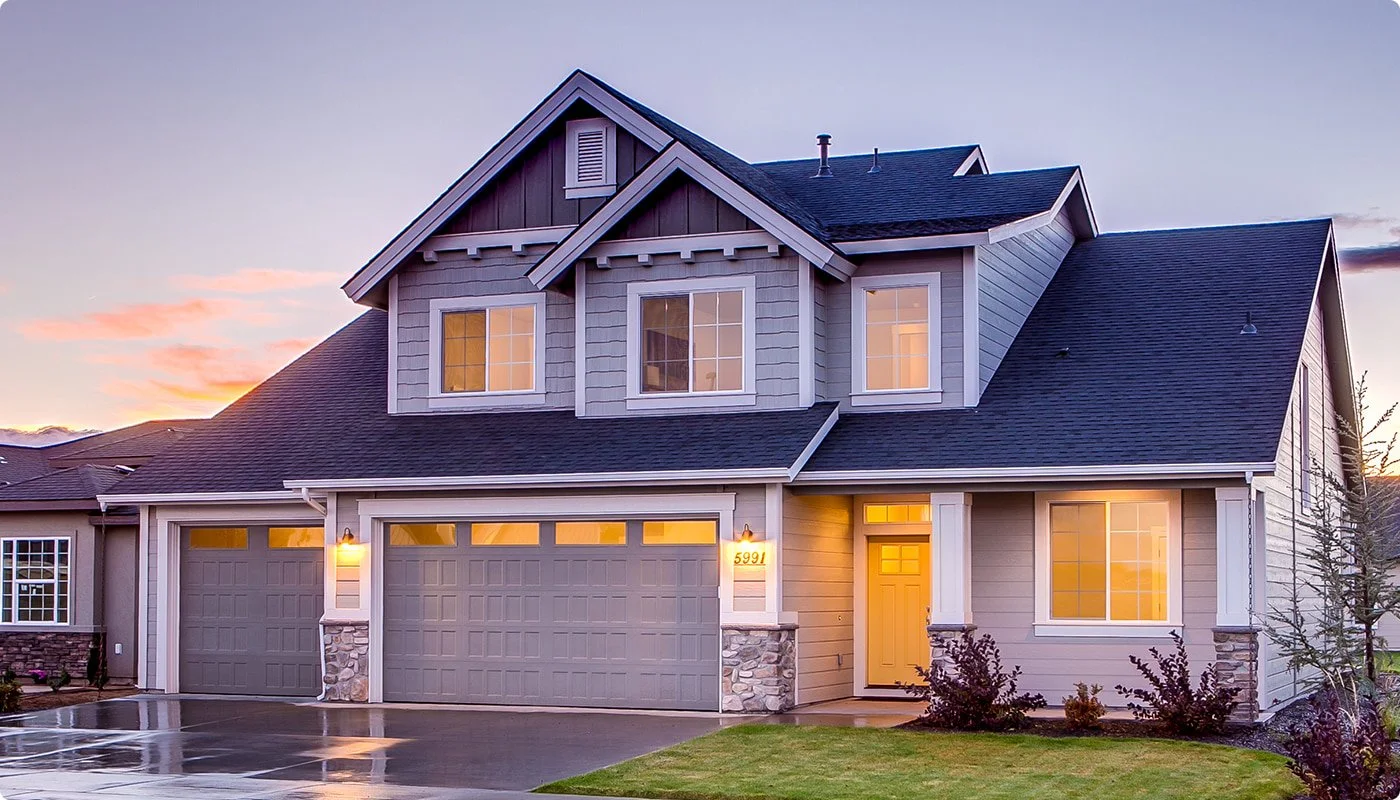
Self-Employed Home Loan: Equity Path vs Deposit Path (2026)
Self-employed borrowers with existing property can release equity to fund a second purchase — often faster than saving a cash deposit. But the equity path changes your LVR, your servicing position, and your lender options. This decision framework maps both paths side by side so you pick the one that matches your structure.

One Doc for Owner-Drivers: How Transport Income Gets Assessed
Owner-drivers often earn well above their taxable income — but lenders using full-doc assessment only see the tax return. A one doc home loan uses your BAS turnover or accountant's letter instead, capturing the real revenue your transport business generates before depreciation and write-offs shrink the number.

Second-Hand Café Equipment Finance (2026): What Clears, What Stalls
Used café equipment gets finance — but the funded pool shrinks once age, brand-tier and proof-of-value rules come in. A broker's eligibility matrix.
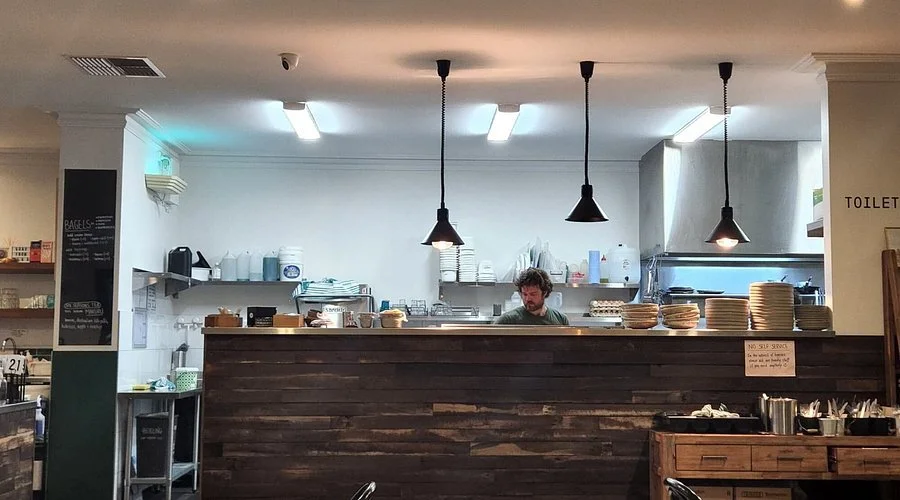
Why Café Finance Gets Declined in 2026: 8 Lender Red Flags
Eight patterns cause most café finance declines in 2026. Fitout quotes, used-equipment proof of value, debtor mix, merchant statements, ATO status, landlord ledgers, franchise cashflow shape and ABN age. None are about your coffee.

Confidential vs Disclosed Invoice Finance for Cafés (2026)
Confidential invoice finance isn't secrecy — it's a specific facility type. For cafés with wholesale accounts the choice between confidential and disclosed decides who carries the debtor risk and how fast the money moves.

Café Fitout Finance (2026): Splitting Chattels From Building Work
Most café owners hand over one big fitout quote and assume the lender will work it out. Lenders don't. Here's how to split chattels from building improvements so low doc asset finance actually approves.