

Chattel Mortgage vs Car Loan: When Asset Security Makes Sense
Most manufacturers finance factory vehicles the same way they'd finance a personal car. That default costs them the GST credit, the depreciation structure, and the lender flexibility that a chattel mortgage unlocks. If the vehicle is primarily for business use, the finance structure should reflect that — and the lender's assessment changes entirely when asset security is in place.

Business Finance Post-July 2026: Cashflow After Payday Super
Four policy shifts land between now and 1 July 2026 — Payday Super, SBSCH closure, the $20K write-off expiry, and whatever the RBA decides on 5 May. Each one changes the cashflow arithmetic for self-employed business owners. This guide maps the post-July reality and the finance structures that fit it.

One Doc Home Loan With Seasonal Revenue (2026)
Seasonal revenue does not disqualify you from a One Doc home loan — but timing the application to your strongest BAS quarter can shift the assessed income by tens of thousands. This guide covers how lenders read irregular BAS turnover, when to apply, and what your broker's cover note needs to explain.

Business Loan Declined? It's Usually a Matching Problem (2026)
Most business loan declines happen because the application went to the wrong lender, not because the business couldn't service the debt. A broker who understands non-bank channels can resubmit the same business to a better-fit funder and get an approval — often within the same week.

Second Mortgage for Working Capital: A Decision Tree (2026)
A second mortgage unlocks working capital from property equity without refinancing your first mortgage. For business owners sitting on a sub-4% rate, that matters. This decision tree maps when equity-backed capital is the faster, cheaper path — and when turnover-based lending wins instead.

What Lenders Actually Read on Your Debtor Book (2026)
Invoice finance lenders don't just look at your total receivables. They read the quality of every debtor on your ledger — concentration risk, payment terms, dilution history and credit profile. Understanding what the credit assessor actually checks is the difference between a fast facility and a declined application.

Whitecoat Finance Mid-2026: Rate Watch, EOFY Timing and AHPRA Updates
Three deadlines are converging for clinic owners in mid-2026: the RBA's May rate decision, the $20,000 instant asset write-off expiring 30 June, and Division 296 super tax commencing 1 July. This timing guide maps what to action now, what to wait on, and what stalls if you miss the window.

One Doc Home Loan for Dental Specialists (2026)
Dental specialists earn differently to general dentists. Procedural-fee income from referrals, episodic health fund billing cycles and higher per-case values create an income shape that standard home loan assessments miss. A One Doc home loan uses your accountant's letter to certify what you actually earn — not what your tax return shows.

Line of Credit for Dental Practices: When Turnover Hides a Cash Gap (2026)
A dental practice can turn over $1.2 million a year and still hit a cashflow wall in March. Health fund payment cycles, lab bills and payroll don't sync — and turnover alone won't cover the timing gap. A business line of credit gives you a standing facility to draw on when the gap opens, without refinancing equipment or touching savings.
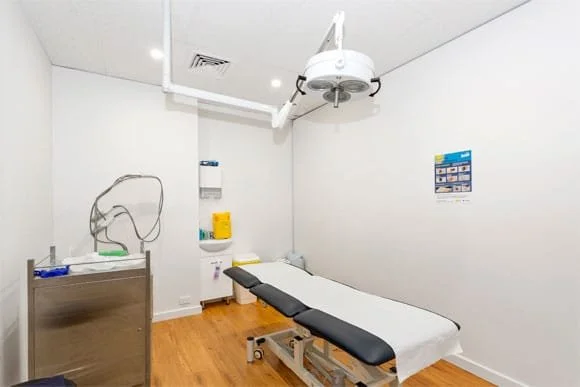
Specialist Clinic Invoice Finance: When Billing Cycles Stall Growth (2026)
Specialist clinics carry receivables that general practices rarely see — DVA claims sitting 45 days, TAC invoices stretching past 60, and health fund remittances arriving on their own schedule. Invoice finance converts those outstanding receivables into working capital within days, but lenders assess specialist clinic billing differently to standard commercial receivables. This guide breaks down what passes and what fails on a specialist clinic invoice finance file in 2026.