

Buying Your Clinic: Commercial Property Loan for Doctors (2026)
Most doctors lease their practice premises by default. But once your clinic revenue stabilises and you are planning to stay for seven-plus years, buying can build equity faster than rent builds your landlord's. This decision tree maps the thresholds lenders use to assess a medical owner-occupier file — and where the deal stalls.

Owner-Driver Finance Beyond the Chattel Mortgage (2026)
One product cannot cover a depot bond, a compliance audit, a truck-replacement deposit and the family home loan. Owner-drivers who scale build a stack, chattel mortgage for the asset, private lending for speed, caveat loans for bridging, business loans for working capital, and a One Doc home loan to separate business debt from the family home.

How Truck Depreciation Hits One Doc Serviceability (2026)
Depreciation on multiple trucks can slash your net income on paper, but One Doc lenders assess serviceability differently. Understanding how depreciation add-backs work across a multi-vehicle fleet is the difference between approval and decline on your home loan.

Unsecured Business Loans for Owner-Drivers (2026)
A diesel invoice that doubled in six weeks. A new contract starting Monday with telematics needed. An ATO debt blocking the next chattel mortgage approval. None are truck-acquisition costs, but all need funding before the next BAS cycle. Unsecured business loans cover the operational gap that secured truck finance was never designed for.

The 48-Hour Caveat Loan for Fleet Operators (2026)
A caveat loan lets fleet operators unlock property equity in as little as 48 hours. When a truck needs replacing, a contract needs mobilising, or an ATO debt is blocking finance approval, a caveat loan bridges the gap while longer-term finance settles. This is the timeline, the cost, and the exit strategy.

When a Truckie Needs Private Lending (2026)
Most owner-drivers never need private lending. But when a depot bond, ATO debt, or contract mobilisation deadline hits faster than a chattel mortgage can settle, private lending bridges the gap using property equity, typically within days, not weeks.
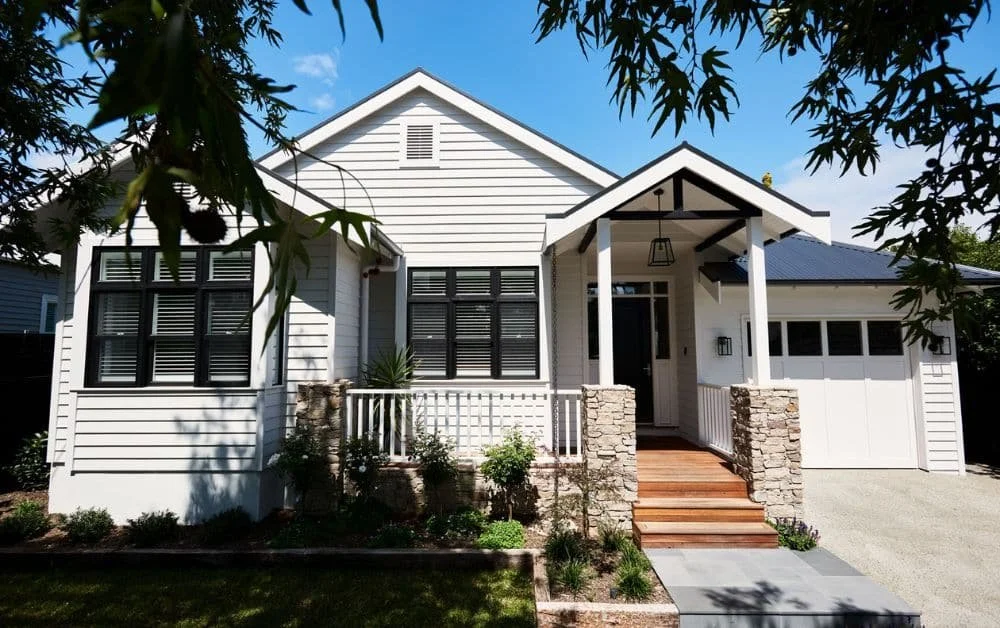
Property Finance for Self-Employed Investors (2026)
Self-employed property investors face a different approval calendar to salaried borrowers. Lender appetite, BAS timing, valuation cycles and rate movements all shift quarter by quarter, and the investors who plan around those cycles lock in better terms, faster approvals and stronger portfolio positions across 2026.

One Doc Home Loan With Rental Portfolio Income (2026)
Property investors with rental income from multiple investment properties can use that income as the primary qualifying source under a one doc home loan. Lenders apply shading rates between 70% and 80% of gross rent, assume vacancy periods, and assess portfolio-level serviceability rather than individual property cashflow.

Settlement Shortfall? How Investors Close the Gap (2026)
When your approved finance falls short of the settlement amount, the clock doesn't stop. Property investors facing a shortfall need a structured solution: private lending, a second mortgage draw, or equity release from an existing asset, before penalty interest or contract rescission becomes the conversation.

Caveat Loan Exit Strategy for Property Investors (2026)
A caveat loan without a clear exit strategy is a liability, not a tool. For property investors using short-term caveat funding to close on acquisitions, cover settlement shortfalls, or unlock equity between transactions, the exit path matters more than the entry rate. This guide maps the exits that pass lender scrutiny and the ones that stall.