
What Your Business Can Borrow Against, Asset by Asset
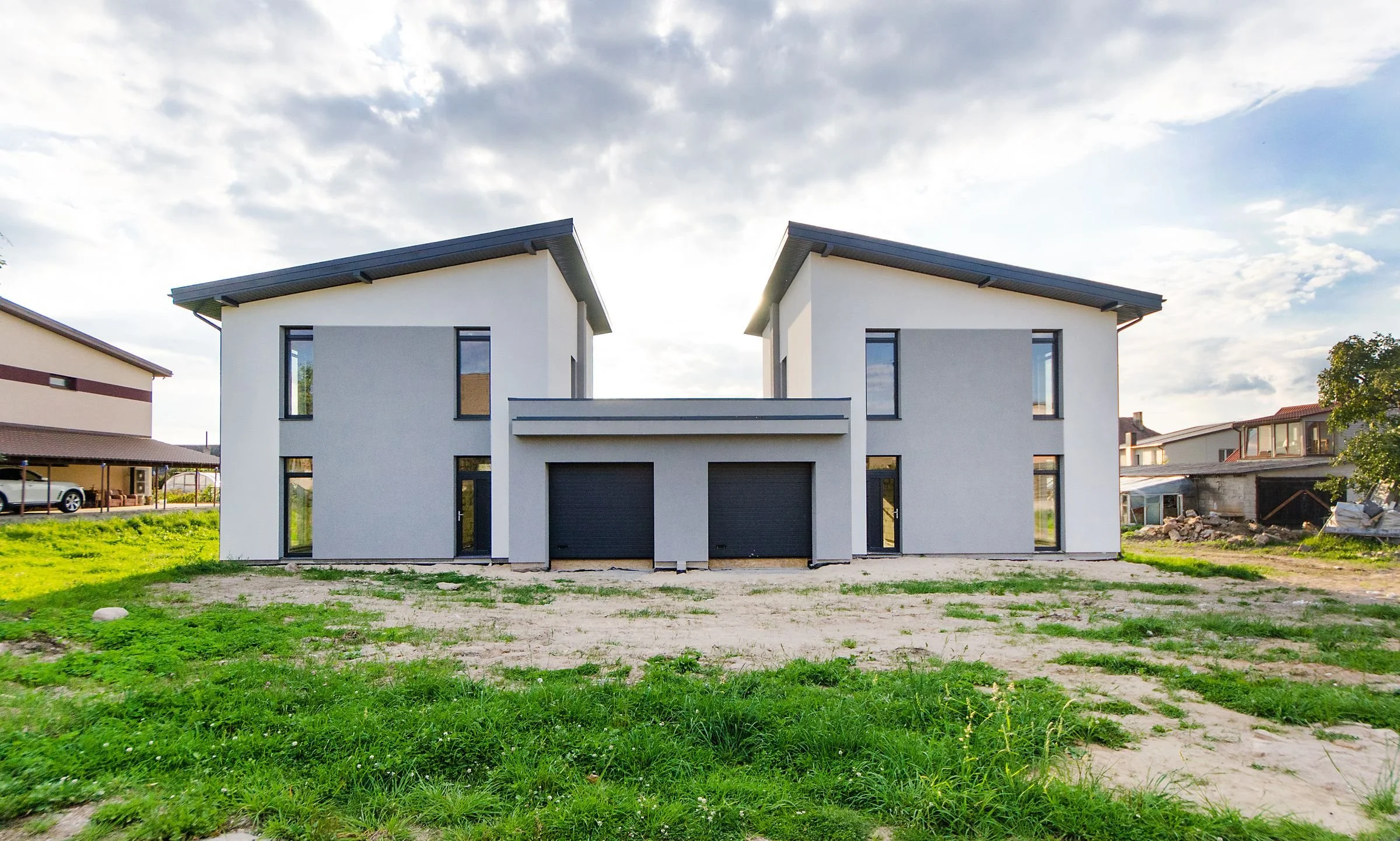
A map of what a self-employed business can raise against the home, the commercial premises and the plant, and the security position each lane needs.
 Property Lending Hub
Security Position · Second Mortgage · Property Finance
What you own decides what you can raise. This is a map of the property and plant a self-employed business already holds, what each title can realistically carry, and whether the raise sits first, second, or as a caveat behind both.
Quick Answer
What you own decides what you can raise. Each asset sits in a different lane, and the security position available on that title sets the terms. Map the assets first at the property lending hub, then choose the facility.
What can your business borrow against?
Two businesses with identical revenue can raise very different amounts, because a business borrows against the assets it owns and the security position a funder can take on each one, not against its turnover.
In practice that means the home you live in, the commercial premises, an investment property, the plant, and in narrower cases a development site. Two owners can hold the same building and still get entirely different answers, because one has a clear title and the other has a facility already registered against it.
Three assets do most of the work for a property-owning business: the home, the premises, the plant. Each sits in a different funding lane, draws a different set of lenders, and answers to a different appetite. The lanes are not interchangeable.
| Asset you own | Lane it opens | Usual position |
|---|---|---|
| Home you live in | Broadest appetite | First or second |
| Commercial premises | Longer terms available | First or second |
| Investment property | Similar to the home | First or second |
| Plant and equipment | Asset-specific only | Registered interest over the goods |
| Land or a development site | Narrower and shorter | First, usually |
| Title already heavily mortgaged | Equity dependent | Second or caveat |
| Property held in a trust or company | Available, more paperwork | First or second |
| Property under contract to sell | Short-dated only | Caveat behind both |
Read the middle column as the lane, not as a promise. The home and any investment property route through the residential lane, which is where a One Doc home loan lives for owners whose income does not read cleanly off two years of returns. The premises routes through commercial property lending, and the mechanics are set out in the commercial property loans guide.
What can you borrow against commercial property?
You can borrow against commercial property for almost any business purpose, including working capital, an acquisition, a deposit on a second site, or clearing a short-dated facility, provided the title carries enough unencumbered value. The ceiling is set by the security available on the title rather than by the headline value of the building.
Commercial LVR bands are typically tighter than residential ones and vary by lender and by property type. Specialised or single-purpose buildings usually sit at the conservative end because the valuer has fewer comparable sales to work from, and in practice that valuation read compresses the raise more often than appetite does.
The context behind all of this is that the funding is increasingly not coming from where it used to, which is why a title a major bank will not touch can still be workable somewhere.
Sources: Reserve Bank of Australia, Financial Stability Review, as at March 2026; ScotPac SME Growth Index, 728 businesses surveyed, as at the 2026 edition. Indicative market context, general information only.
Can you borrow against a property that already has a mortgage?
Borrowing against a property that already carries a mortgage is common, and it is done either by registering a second mortgage behind the existing loan or by lodging a caveat over the remaining interest. Which one applies is a question about consent and title, not about how much you want.
A registered second mortgage generally requires written first mortgagee consent, and that is the single step that most often sets the timetable, because it is a decision made by someone with no commercial interest in your raise. Owners who assume the valuation is the slow part are usually surprised. The detail of what a second position can carry sits in the equity read on property you already own.
A caveat is quicker to lodge but sits in a weaker position, so appetite and pricing reflect that. The caveat loans guide covers where that position holds up and where it does not.
What is the difference between a second mortgage and a caveat?
The difference is the strength of the security interest and the consent required to create it. A second mortgage is registered on title behind the first and typically needs the first mortgagee to agree in writing. A caveat records an interest without registering a mortgage, so it can usually be put in place faster.
| What you are comparing | First position | Second mortgage | Caveat |
|---|---|---|---|
| How it sits on title | Only registered interest | Registered behind the first | An interest recorded, not registered |
| Consent required | None beyond the owner | Written first mortgagee consent, usually | None from the first mortgagee |
| Typical speed | Slowest, full process | Weeks, consent driven | Days, purpose driven |
| Typical term | Longest | Medium | Short and defined |
| What drives pricing | The security and the exit | Room behind the senior debt | Position weakness and time |
Where none of the three positions fit cleanly, the deal usually lands with private lending, which is less a lane than a way of pricing a position other funders will not take. That is a legitimate answer when the security genuinely supports it and the exit is real, and a poor one when it is papering over a title that cannot carry the raise.
Where the pressure behind the raise is a tax exposure that has moved onto a director, the lender read on a penalty notice is the better starting point.
Can you use business equipment as security?
Business equipment can be used as security, but it funds through a separate lane to property and the interest attaches to the asset rather than to any land. Plant, vehicles and machinery are typically financed under a chattel mortgage, with the funder registering its interest on the register and leaving your property titles alone.
That separation is the point, and it is easy to give away without noticing. Which entity signs the equipment facility, and whether the funder is allowed to take security beyond the goods, decides whether the plant lane stays separate from the property lane at all. The entity that signs the chattel mortgage covers that decision in full.
Where the equipment already carries a facility, its remaining equity is usually modest, so it is better treated as its own lane than as a top-up on a property deal.
Should you use your home as security for a business loan?
You can use the home you live in as security for a business loan, and for many self-employed owners it is the strongest single asset available to a lender, but the sequencing matters more than the pricing. Once the home carries business debt it becomes harder to use for a home loan later.
Owners who expect to move or refinance in the near term often prefer to raise against the commercial premises first and leave the residential title clear, or release a measured amount through equity release instead of taking the whole facility across. Where the income read is the constraint rather than the security, the income evidence ladder is the better starting point.
What has to line up before a funder will sit behind?
Three things have to line up before a funder will take second position or a caveat: consent, a defensible valuation, and a credible exit. Miss any one and the position cannot be priced, however good the asset is.
- Establish the consent path first, because it sets the timetable and a broker cannot shortcut it. Ask who the first mortgagee is and whether consent has ever been given on that title before.
- Get a defensible value, not a hopeful one. A second position is only worth what is left after the first loan is satisfied, so a conservative read compresses the raise directly.
- Write the exit down as a plan with a date, whether that is a sale, a refinance, or a business event. A registered mortgage behind another lender is priced against how the funder gets out.
- Confirm every owner is in the conversation. A jointly held title where the other owner has not been consulted stops at documentation, not at credit.
- Decide deliberately which titles stay clear, so this raise does not consume the security you need for the next one.
| The variable | What compresses the raise | What protects it |
|---|---|---|
| Consent | No prior consent on the title | An engaged first mortgagee and lead time |
| Valuation | A specialised or single-purpose building | Comparable sales and a standard use |
| Exit | An exit described in one sentence | A dated, evidenced plan |
| Ownership | Joint owners not yet consulted | All owners in the conversation early |
| Existing security | Cross-collateralised titles | Lanes kept deliberately separate |
Two wider changes are worth knowing about, without letting either drive the decision. The first is data.
The Consumer Data Right now covers non-bank lenders for product data, which commenced on 13 July 2026, while the consumer data sharing that would let you move a verified financial position between funders starts later, from 9 November 2026 for initial providers and from 10 May 2027 for large providers, per the CDR rollout page.
The cash rate stands at 4.35 per cent, effective 17 June 2026, per the RBA cash rate page, which shapes what a refinance exit is worth but says nothing about whether your title can carry the raise today.
The useful question is not how much you can borrow, it is what you already own and what each title can carry. The home, the premises and the plant are three separate lanes with three separate sets of funders, and the position available on each one, first, second, or a caveat behind both, does more to set your terms than your trading figures do. Map the assets first, decide the position second, and let the product fall out of that.
Key takeaway: Work out asset by asset what the title can actually carry, because the security position you can offer decides which lenders can look at the deal at all.Frequently Asked Questions
Property type changes the raise materially, because it changes how confident a valuer can be about resale. Standard office, retail and industrial stock sits at the stronger end of commercial LVR bands, which are typically tighter than residential ones and indicative only, varying by lender. Specialised or single-purpose buildings, and vacant or rural land, sit at the conservative end because there are fewer comparable sales to work from, so two owners with the same valuation figure can be offered quite different ceilings.
Consent holds files up because it sits with a party that has no commercial reason to hurry, and it is the one step in a second mortgage a broker cannot compress. The senior lender is being asked to acknowledge a party behind it on a title it already controls, so the request routes through its own credit process. Request first mortgagee consent on day one rather than once the pack is finished.
A caveat loan is the better option when the need is short, the purpose is defined and the exit is already visible, particularly where consent from the senior lender would not arrive in time to be useful. Because a caveat records an interest without registering a mortgage, it can usually be put in place faster, and that speed is what it is bought for. Where the requirement is longer term or larger, a registered mortgage behind the first generally supports better terms and is worth the wait.
Equipment rarely works as a top-up on a property deal, because it funds through a separate lane and the security interest attaches to the goods rather than to any land. Plant, vehicles and machinery are typically funded under a chattel mortgage, which is a different assessment with a different funder and its own timetable. Run it as its own raise rather than bolting it onto the property side.
It costs you the flexibility of the title, which is usually worth more than the pricing difference that made it attractive. Once the home carries business debt, a later sale or refinance has to deal with the business facility first, and the next residential lender reads the exposure as yours personally. Owners expecting to move in the near term generally raise against the commercial premises instead, or release a measured amount through equity release.

 FBAA Accredited
