
Case Study (Café) (2026): Surviving Wage Weeks + Supplier Runs + App Payout Gaps
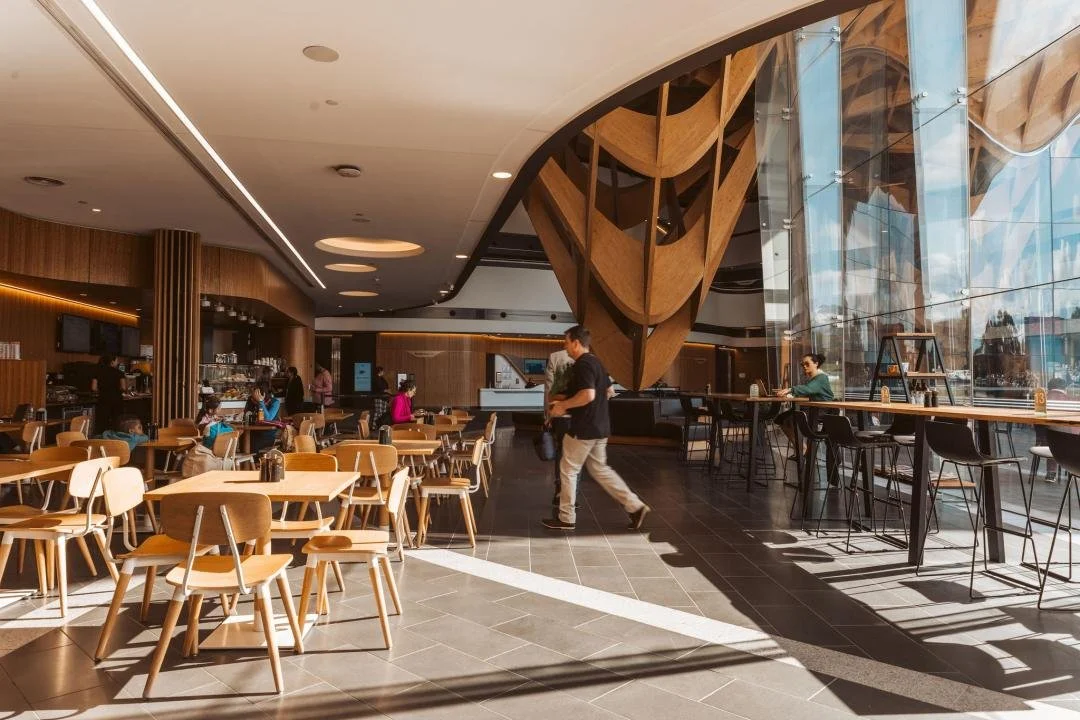
Café cashflow case study - cover wage weeks | Switchboard Finance
 ☕ case study · wage weeks · supplier runs ·
Café Hub · 2026
☕ case study · wage weeks · supplier runs ·
Café Hub · 2026
This is the café cashflow trap in one line: costs happen daily (wages + suppliers), but revenue lands in lumps (weekends, corporate invoices, and delivery-app payouts). When the timing doesn’t match, good cafés still get smashed.
If you want the framework-first posts, start here: Business Cashflow System (WCL + LOC + Invoice) and the café comparison: Café LOC vs Working Capital. This page is different: story + numbers + decision path.
- Wage weeks: staff costs hit on a fixed schedule (often weekly/fortnightly).
- Supplier runs: coffee, milk, bakery, and packaging get paid before those sales fully settle.
- App payouts: delivery platforms can pay on weekly cycles and sometimes hold funds for adjustments/fees — the timing creates a real Cashflow gap.
The café (numbers-first) — what “healthy” looked like on paper
This café was trading well, but the cash timing was brutal. Roughly 35–45% of takings were flowing through delivery apps, and supplier payments were due before app settlements landed.
The owner wasn’t “bad at business”. They were simply stuck in a mismatch between daily outgoings and delayed inflows — the exact pattern behind Supplier Terms & Finance (Café).
Weekly takings (avg)
$24,000
Strong weekends, quieter Mon–Tue.
Wages (weekly)
$7,200
Roster-heavy due to extended hours.
Suppliers + stock (weekly)
$6,800
Coffee + dairy + bakery + packaging.
Where the cash actually broke (the 10-day timeline)
The owner’s bank balance looked like a heart monitor. Not because sales were weak — because the settlement timing created a repeatable “dip” every wage week.
If they didn’t fix it, the consequence was inevitable: late supplier payments, stock stress, and cutting staff at the wrong time — which damages revenue. This is the same “don’t break the engine” logic in Café Cashflow Pack.
| Day | What happens | Cash impact | What the owner did before |
|---|---|---|---|
| Mon | Wages leave account | Large outflow | Delay supplier or dip into personal cash |
| Tue | Quiet trading day | Low inflow | Hope weekend catches up |
| Wed | Supplier run / invoices due | Outflow | Ask for extensions (damages terms) |
| Thu | App sales still “pending” settlement | Cash gap stays open | Push payments back |
| Fri | App payout lands (after fees/holds) | Inflow (lumpy) | Pay suppliers late, reset cycle |
- Repeatability: is this a consistent timing gap or random distress? (If unclear → harder Approval Criteria).
- Servicing: do the repayments fit normal weeks, not just “good weekends”? (If not → reduced limits).
- Evidence: clean Bank Statements showing the pattern (If not → more conditions and delays).
The decision path (LOC vs WCL vs optional invoice finance)
The fix wasn’t “more debt”. It was the right shape of funding: a flexible buffer for timing gaps (LOC) plus a stable base layer for recurring working capital pressure (WCL).
Here’s the café decision path we used — and it links directly back into your system pages so you own the cluster: Business Cashflow System, Café LOC for Supplier Bills, and Working Capital Loans (Guide).
- If the gap is timing (2–10 days): use a Business Line of Credit so you draw, repay, redraw.
- If the pressure is constant (stock + wages always tight): add a Working Capital layer to stabilise baseline cash.
- If you also issue invoices (corporate catering/venues): optional Invoice Finance can smooth larger invoice delays — but it’s not mandatory for most cafés.
The setup (limits + how it actually ran week-to-week)
We set the structure to match the problem. The LOC covered the short timing dips; the Working Capital layer reduced how often the café needed to touch the LOC.
If this structure isn’t set properly, the consequence is you either over-borrow (wasting interest) or under-borrow (still hitting payment stress). That’s why we keep the path anchored to the core money pages: Business Line of Credit and Working Capital Loans.
| Facility | Limit | Used for | How it behaved |
|---|---|---|---|
| LOC | $35,000 | Wage-week dips + supplier run bridging | Draw 3–4 days, repay on payout day, repeat |
| Working Capital (WCL) | $60,000 | Baseline buffer (stock + predictable overhead) | Reduced emergency draws and smoothed weekly variance |
| Optional Invoice Finance | (Only if needed) | Corporate invoices / catering terms | Not used in this case (kept it simple) |
- Suppliers got paid on time → better trade terms and fewer “stress calls”.
- Roster stayed stable → service quality didn’t drop during cash dips.
- The owner stopped reacting — cash became planned and predictable.
Café owners: wage weeks + supplier runs + app payout cycles create predictable cash gaps. A Business Line of Credit covers short timing dips, and a Working Capital Loan stabilises baseline pressure — so you stop patching cash with stress decisions.
Start with the café pathway: Café Hub. If you want the full system view, link back to: Business Cashflow System and the café comparison: Café LOC vs Working Capital.
FAQ
Wage-week gaps are usually short timing issues. A Business Line of Credit lets you draw, repay and redraw — so you only use what you need. A term loan can leave you paying for money you don’t need during strong weeks.
When the pressure is constant — wages, rent, and stock always feel tight. A Working Capital layer stabilises baseline cash so you’re not “living inside” your LOC every week.
If the café is profitable but still hits “mid-week dips”, it’s usually timing. Reviewing 3–6 months of Bank Statements often shows the repeating Cashflow pattern clearly.
Clean trading history, consistent turnover, and a clear explanation of the timing gap. If you can’t evidence the story, you’ll usually face tighter limits or extra conditions under lender Approval Criteria.
Some cafés do — usually those with corporate catering or venue invoices on terms. Invoice Finance can smooth bigger invoice delays, but many cafés solve wage-week gaps with LOC + Working Capital first.
Disclaimer: This content is general information only and isn’t financial, legal, or tax advice.
