
What a Caveat Loan Cannot Do When You Start a FY27 Build
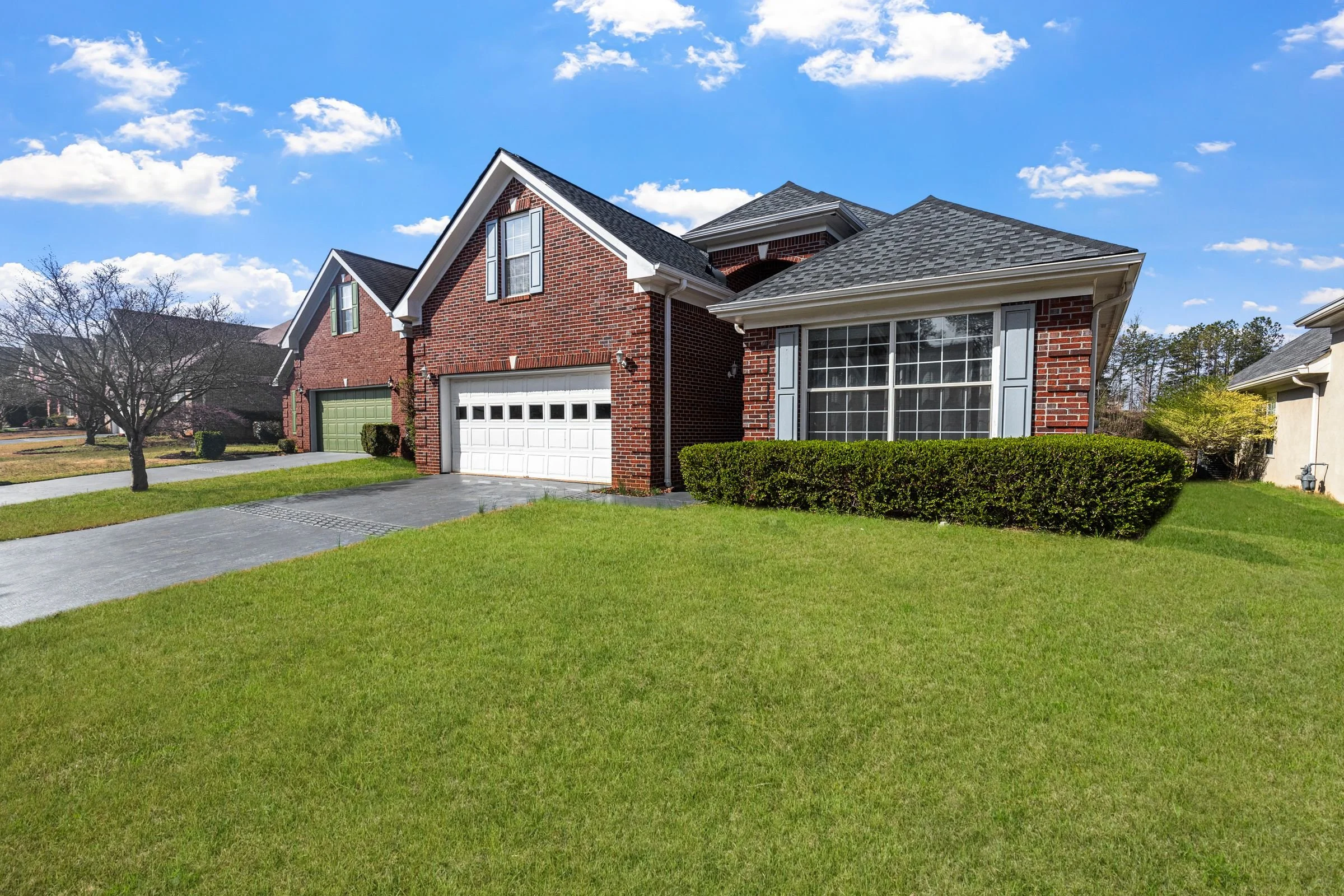
Caveat Loan Limits for a FY27 Build | Switchboard Finance
 Construction
Caveat Loan · FY27 Build · Exit Event
What a Caveat Loan Cannot Do When You Start a FY27 Build
A caveat loan is one of the most misunderstood tools in a build plan. Before you start a FY27 project, it pays to know exactly what it can hold, what it cannot fund, and where development finance takes over.
Quick Answer
A caveat loan is a short-dated tool, not build funding. Secured against a property you already own, a caveat loan can hold a position or cover a short gap with a clear exit, but it cannot fund construction. The build itself is a development finance job.
The myth: a caveat loan funds your build
The idea that a caveat loan funds your build is the most common misconception I hear from builders planning a FY27 project. It does not. A caveat loan is a short-dated tool, secured by a caveat registered against title on a property you already own, and it is built to cover a short, defined gap, not to release money in stages as a build progresses.
When a builder calls me wanting a caveat loan to pour the slab and frame, my first question is always the exit, because the tool is being asked to solve the wrong problem. The build itself is staged, monthly work that needs a facility designed for it, which is closer to construction finance than to a caveat.
What a caveat loan actually does
What a caveat loan actually does is hold a position for a short period against a clear exit event. Think of it as short-term cover between two events, not build funding: it gets you from where you are now to a defined point, such as a settlement or a refinance, and then it is repaid and the caveat is discharged.
Because it is registered against title and usually sits behind an existing mortgage, a lender will want to see the exit strategy in writing before they advance anything. The term is short, an indicative term that varies by lender, and it is priced for speed, so it is rarely the cheapest money in the stack. That is fine when it is doing its job, and expensive when it is asked to do more.
It also helps to be clear about how a caveat loan differs from a registered second mortgage, because builders often use the two terms loosely and the difference changes both cost and timing. A second mortgage is a registered security with its own priority position behind your first loan, and it can sit there for the life of a project; it is the instrument most builders use when they want to release equity and keep it working across the build. A caveat is a lighter, short-term lodgement that records an interest on title and is built to be discharged at a known event, which is why it is priced for speed rather than duration. In a build, treating the caveat as a stand-in for the longer facility is where assumptions about cost and timing tend to come unstuck.
Where a caveat loan works, and where it stalls
Where a caveat loan works is any short, defined problem that ends in a clear exit event. Where it stalls is the moment it is asked to behave like a long-term construction facility. It comes down to four questions.
Where this commonly lands is somewhere in between: a caveat loan can buy you a short window of breathing room before the real facility settles, but the moment it is asked to carry the build, it stalls. Knowing what a caveat will not do is what keeps it useful.
What to use for the build itself
What to use for the build itself is a facility designed to draw down in stages as the work is signed off. That is the job of a development finance line, which releases funds against the build rather than in a single lump, and it is the structure mapped out in our construction loan pack.
If you are still weighing the tools, two reads help: how development finance works sets out the staged structure, and no-presales development finance covers a common FY27 starting point. For plain-language background on borrowing before you commit to any short-dated facility, the general guidance at Moneysmart is a useful neutral reference. How much you need to put in to start that facility is its own question, covered in what equity a build needs up front. When the whole map is clear, the FY27 build finance map matches each stage to the product built for it, and the construction hub pulls the stages together.
A caveat loan earns its place in a build plan as a short-dated tool with a clear exit event, not as the thing that funds the build. Used for what it is, it can hold a position or cover a gap while the real facility settles. Asked to do more, it stalls, and the project needs development finance or a construction finance structure instead.
Key takeaway: Use a caveat loan only for a short gap with a clear exit, and fund the build itself with a facility built to draw down in stages.Frequently Asked Questions
A caveat loan does not fund construction. It is a short-dated tool secured by a caveat registered against a property you already own, built to cover a short gap until a clear exit event, not to release progress payments across a build. For the build itself, a development finance facility is the tool that draws down in stages.
Using a caveat loan to start a FY27 build only works when it is solving a short, defined problem with a clear exit, such as holding a position while a main facility is arranged. It will not carry the construction itself. If the plan needs staged funding from the ground up, that is a development finance or construction finance conversation, not a caveat one.
The exit event on a caveat loan is the specific, dated thing that repays it, for example a settlement, a refinance, or the sale of an asset. A lender wants to see that exit strategy before they register the caveat, because the facility is a short-dated tool, not an open-ended loan. Without a clear exit event, a caveat loan is the wrong fit.
A caveat loan runs for a short, indicative term that varies by lender, usually measured in months rather than years. The term is tied to the exit event, so it is sized to the gap it covers, not to the length of a build. A project that runs across many months usually needs the staged structure set out in our construction loan pack instead.
A caveat loan is not the same as development finance. A caveat loan is a short-dated tool that sits behind a clear exit event, while development finance is a staged facility designed to fund a build as it progresses. If you are weighing the two, how development finance works sets out where each one fits.

 FBAA Accredited
