
CNC & Metal Fabrication Finance Melbourne
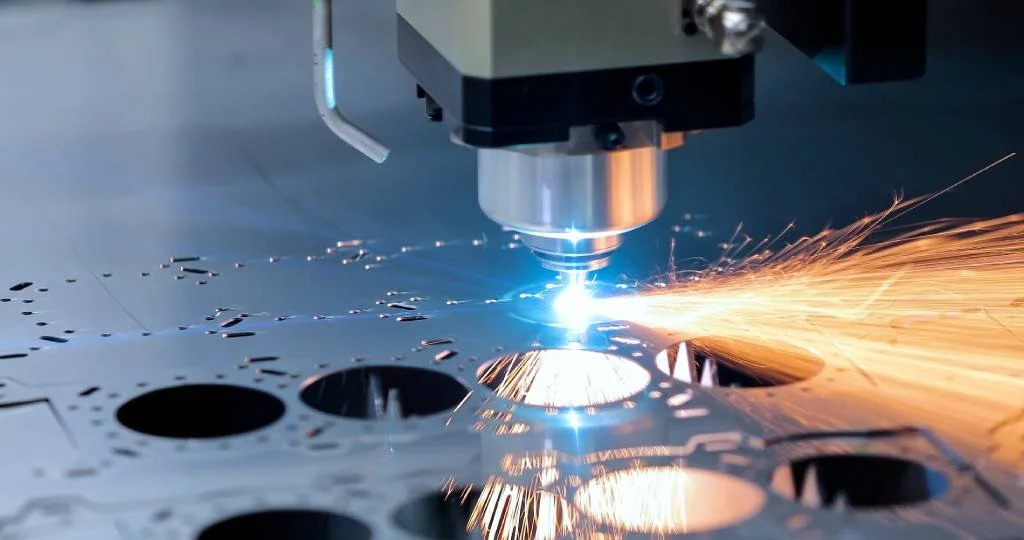
Melbourne CNC and metal fabrication workshop with lathes and laser cutters funded on low doc terms

CNC and metal fabrication shops in Melbourne live and die by their gear – lathes, lasers, welders, press brakes and forklifts. The trick is getting that gear funded in a way that matches how your jobs and contracts pay, using simple equipment finance structures instead of random loans.
Below is a quick snapshot of how typical workshop assets line up with finance options. We’ll keep it KISS and link you back into Fast-Track Asset Finance for ABN Holders and Equipment Finance Terms Every SME Should Know if you want to go deeper.
Use this article as a one-pager alongside your plan in the Business Owners Finance Hub – especially if you’re lining up upgrades around new 2025 contracts.
| Workshop gear | Typical ticket | Common funding style |
|---|---|---|
| CNC lathes & mills | $120k–$400k per machine | Structured asset facility with clear term and residual, often on low doc if the numbers stack up. |
| Laser & plasma cutters | $80k–$300k | Mid–long term deal matching how long the gear will earn, often bundled with extraction and software. |
| Welders, press brakes, guillotines | $20k–$200k+ | Smaller tickets can sit in one facility; bigger presses often funded on their own line. |
| Support gear (compressors, dust, forklifts) | $10k–$150k | Clean-up or bundle deals to simplify old finance and tidy weekly outgoings. |
1. What gear you can usually fund on low doc in a metal shop
Most CNC and metal fabrication equipment sits in the same broad asset type bucket for lenders – productive workshop gear that earns revenue day in, day out. That’s good news, because it means there are established product profiles for lathes, lasers and welders.
In lender language this normally sits under machinery finance and can often be done on low doc terms when your trading history and bank conduct are strong, even if your accountant is still finalising last year’s numbers.
- CNC lathes and machining centres (new or near-new).
- Fiber lasers, plasma cutters and oxy gear.
- Press brakes, guillotines, folders and rolling machines.
- Weld sets, positioners, fume extraction and workshop fit-out gear.
- Gear is used mainly for business, not personal projects.
- It’s installed and productive in your Melbourne or regional workshop.
- You can clearly show how it supports existing or new contracts.
Example: a small shop in Thomastown upgrades from manual lathes to a used CNC twin-spindle unit to secure an automotive contract. With a clean low doc facility, they fund the machine over 5 years instead of draining cash and still keep headroom to upgrade weld bays later.
2. How CNC & fabrication deals are usually structured (deposit, term, residual)
A good workshop deal is boring: known deposit upfront, clear term and a repayment that feels safe against the machine’s earning power. Term is often tied to the gear’s useful life so you’re not still paying it off long after it stops pulling its weight.
The idea is simple – line the repayment up with your shop’s cashflow so it feels like a controlled production cost, not a random hit. That’s where low doc can work well: quick approvals with a structure that still respects your margins.
- Deposit: often 0–20% depending on strength of the deal and asset.
- Term: commonly 3–7 years for big CNC and lasers, shorter for smaller gear.
- Residual: only where it makes sense and you’re confident the gear will still earn.
- Keep repayments inside a safe band vs monthly machine revenue.
- Avoid stacking too many new deals in one quarter if margins are already tight.
- Schedule upgrades around real contract wins, not just “it would be nice”.
Example: a fabrication shop in Dandenong East finances a $220k fiber laser with a modest deposit and 5-year term. The machine replaces two old units, cuts labour hours and still leaves enough margin per job for steel, gas and consumables after the repayment.
3. Keeping cash flow safe while you upgrade heavy gear
The big risk for CNC and fab shops isn’t one machine – it’s layering too many deals on top of each other and then hitting a quiet patch. Clean structures let your gear sit in asset facilities while day-to-day bumps are handled separately.
That’s where our Business Cashflow System comes in. We keep your equipment in proper asset deals and use separate tools like a line of credit, working capital loan or invoice facility where needed, rather than blurring everything together.
- Asset lane: CNCs, lasers, press brakes, forklifts – funded over years.
- Cashflow lane: wages, power, consumables and smaller tools.
- Project lane: short-term pushes for big contracts or seasonal runs.
- Your overdraft is permanently maxed and never fully clears.
- New machines are going on short-term cash tools instead of asset deals.
- You’re juggling more than three different repayments without a simple map.
Example: a Bayswater shop has three old machine loans, a blown-out overdraft and a new laser on the wish list. We restructure into one tidy asset facility plus a small working capital line, similar to the approach in Fleet Refinance & Restructure, so repayments match throughput and the overdraft can finally breathe.
4. Simple 3-step CNC & metal finance plan with Switchboard (Melbourne)
You don’t need to learn lender jargon. You just need to know which machines you want, roughly what they cost and how they’ll lift throughput. We translate that into clean structures across Low Doc Asset Finance and our main Equipment Finance service so it all lives in one plan.
We then cross-check that plan against your 2025 goals and existing setup. If you’re also running utes or trucks, we can loop in Low Doc Vehicle Finance for ABN Holders so your transport gear isn’t left out of the picture.
- Step 1: 15–20 minute chat about jobs, current machines and upgrade wishlist.
- Step 2: Map a simple stack of facilities with rough repayments and terms.
- Step 3: Implement on low doc where it fits, with clear review dates – not forever debt.
- Bring rough quotes or screenshots for the machines you’re eyeing.
- Have a sense of current monthly workshop revenue and profit.
Example: a three-person CNC shop in Campbellfield comes in wanting “a loan for a new machine”. They walk away with a plan: one low doc facility for the CNC, a tidy timeline for a future laser, and space in the numbers so wages, rent and power still feel safe.
CNC & metal fabrication finance – quick FAQs
A low doc loan usually means the lender relies more on trading history, bank conduct and the asset itself, instead of full financial statements and tax returns. It’s still a proper credit assessment – just with a lighter document list and faster turnaround if the numbers are strong.
It comes back to your borrowing capacity – how much room there is between current commitments and safe repayment levels based on your revenue and profit. A clean structure spreads this across a few sensible facilities rather than one oversized deal.
For low doc CNC and metal facilities, lenders will lean hard on your bank statements and trading behaviour. They’re checking that income is consistent, expenses are under control and there’s clearly enough room for the new repayment without stress.
Yes – used assets can still be funded, but the approval criteria are often tighter around age, condition and seller. Clean dealer invoices and realistic values help; very old or heavily worn gear may need different treatment or a smaller loan amount.
For many workshop deals, the machine itself is the main security. On larger limits or weaker deals, lenders may look for extra support like property or additional assets. A good structure keeps this balanced so you’re comfortable with what’s on the line.
