
Victoria Manufacturing Business Loans: LOC, Working Capital & Equipment Finance for 2025 Growth
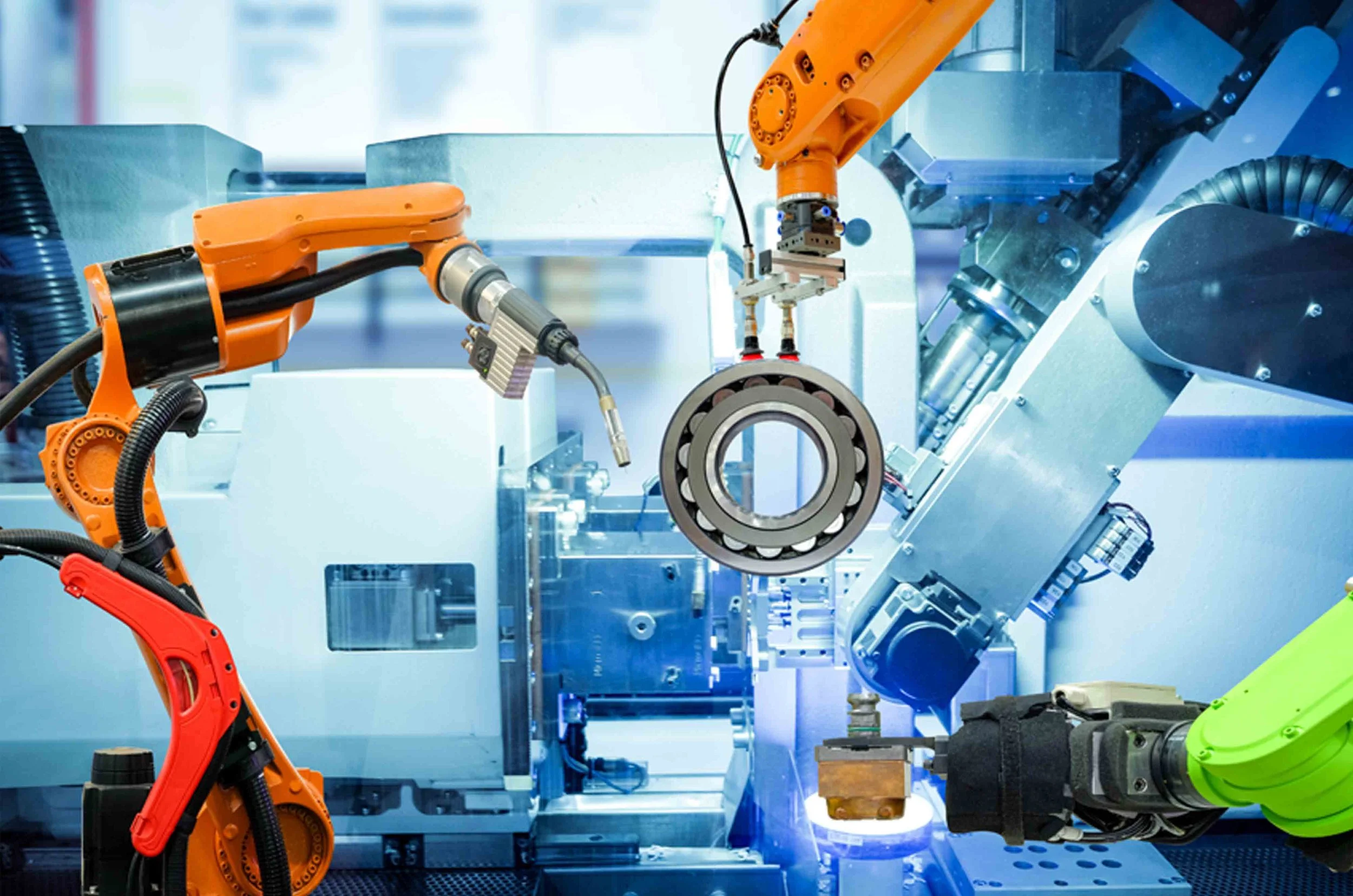
Victoria manufacturing business loans and equipment finance for factory growth – Switchboard Finance

Running a factory in Victoria means big wage weeks, heavy power bills and long contract cycles. You don’t just need “a loan” – you need a simple plan so money is there when work hits and your asset finance for machines doesn’t choke day-to-day cash.
Below is a quick snapshot of how four tools work together: a LOC, a short working capital loan, invoice finance and equipment finance. We’ll keep it practical and tie everything back to our Business Loans Victoria guide and Business Cashflow System.
Use this as a simple checklist with your accountant or with us at Switchboard – we’ve built it to slot straight into your Business Owners Finance Hub game plan.
| Tool | Main job | How it feels in cashflow |
|---|---|---|
| Business LOC | Cover short spikes – wages, power, rush stock, surprise repairs. | Only pay on what you draw, then clear it when jobs pay you. |
| Working capital loan | Fund a 3–12 month push – new contract, extra shifts, more stock. | Fixed term, fixed repayments. You know the finish line. |
| Invoice finance | Speed up slow-paying customers and long trade terms. | Turn invoices into cash so the factory runs on your schedule. |
| Equipment finance | Machines, forklifts, robotics and line upgrades. | Spread large buys into steady monthly repayments. |
1. What Victorian manufacturers actually need from finance
Most factories we speak with don’t want a complicated structure – they want one simple stack that keeps wages, materials and tax paid while upgrades still happen. The first step is separating day-to-day cash needs from long-term gear.
We look at your turnover, margins and contract mix, then map a clean baseline buffer before talking about products. Behind the scenes, lenders will still do a working capital review, but we keep your view to a one-page plan.
You can pair this high-level map with 9 Cash Flow Mistakes SMEs Make With Business Loans so you know what to avoid while you grow.
- Know your “must pay” items each week – wages, rent, power, core suppliers.
- Know your big dates – BAS, rent reviews, contract milestones.
- Decide where you’re happy to take some risk and where you’re not.
- Rule 1: Never fund long-term machines from short-term cash tools.
- Rule 2: Give every facility one clear job and review date.
- Rule 3: Keep your main bank relationship clean where possible.
Example: a sheet metal shop in Dandenong writes down those three rules, then builds a small stack around them. Within 6 months they’ve smoothed wage weeks and stopped using the overdraft for machines.
2. Simple way to use LOC, working capital & invoice finance together
Think of your cash tools as lanes. The LOC lane handles bumps. The working capital lane handles planned pushes. The invoice lane speeds up money you’ve already earned. When each lane has a clear job, your overall business line of credit limits can stay under control.
Our Business Line of Credit Explained and Invoice Finance 101 go deeper, but the core idea is simple: short tools for short gaps, slightly longer tools for seasonal pushes, and nothing open-ended without a plan.
Behind the curtain, lenders will still test your margins and repayment history, but your day-to-day decision is just “which lane does this cost belong in?” That’s how we keep this KISS for owners and managers on the floor.
- LOC: wages, power, rush parts, quick repairs.
- Working capital loan: new contract ramp-up, extra shifts, raw material bulk buys.
- Invoice finance: strong customers who pay slow but always pay.
- Set a simple limit for each lane so you don’t overuse one tool.
- Review the stack every 6–12 months or when you add big new contracts.
Example: a packaging manufacturer in Geelong runs a $100k LOC for bumps, a $200k 9-month working capital loan for a supermarket contract, and an invoice finance line over their slowest-paying customer. Cash now matches the work, not the lag.
3. Where equipment finance should sit in your 2025 plan
Machines, forklifts and robotics live in their own lane again. They earn money over years, so they should be funded over years – not from the same bucket you use for payroll and power.
That’s where structured equipment finance and our Equipment Finance service page come in. We match term length to asset life and align repayments with your contracts where we can.
For bigger upgrade runs, you can layer low doc options from Low Doc Asset Finance on top of your existing structure, or take a staged approach as outlined in Equipment Finance Terms Every SME Should Know.
- Ring-fence machines and heavy gear into term-based facilities.
- Keep LOC and working capital free for staff, materials and power.
- Plan upgrades around known contract wins, not gut feel only.
- List the 3 key machines you rely on most.
- Check their age, downtime and repair costs.
Example: a plastics manufacturer in Campbellfield finances a new extrusion line over 5 years instead of raiding cash reserves. Their LOC stays available for resin, cartons and transport – and stress levels drop with it.
4. Quick 3-step way to line this up with Switchboard
You don’t need to learn lender jargon. You just need to know where money comes in, where it leaks and what upgrades matter most. We translate that into a simple structure across our Business Loans, Business Line of Credit, Working Capital Loans and Invoice Finance money pages.
From there we cross-check it against your existing bank setup and your long-term plans. You get a one-page summary – what each facility does, limits, rough pricing and when it gets reviewed.
If we can keep it to three moving parts instead of six, we will. The whole point is a funding system that feels boring and predictable while your production floor is the exciting bit.
- Step 1: Short chat about contracts, costs and pain points.
- Step 2: Map one simple stack across LOC, working capital, invoice and equipment.
- Step 3: Implement with low doc where it makes sense, plus clear review dates.
- Bring your accountant into the loop if you’d like.
- Keep this plan next to your other 2025 manufacturing goals.
Example: a regional engineering workshop uses this three-step process and ends up with one LOC, one working capital facility and one machinery deal. That’s it. Three tools, one page, no guessing.
Victoria manufacturing business loans – quick FAQs
Lenders look at revenue, profit and existing commitments to work out your borrowing capacity. A good structure might spread this across a LOC, a working capital facility and equipment deals rather than one big chunky term loan.
Often yes. A low doc loan can suit factories with strong bank statements and trading history but slower bookkeeping. Our Low Doc vs Full Doc Asset Finance article walks through the trade-offs.
A stronger credit score helps, but a few older marks don’t automatically kill a deal. Our Rebuilder Roadmap explains how to tidy things up while still moving ahead with sensible funding.
Larger limits often need security – that might be property, specific machinery or a mix. A clean, layered structure can help you choose what sits against which facility rather than throwing everything at one deal.
Keep it boring and labelled. One lane for bumps, one for projects, one for machines. Review it regularly and track your cashflow using a basic forecast like we outline in The Business Cashflow System.
