
Buy or Lease Your FY27 Workshop or Yard: The Builder's Call
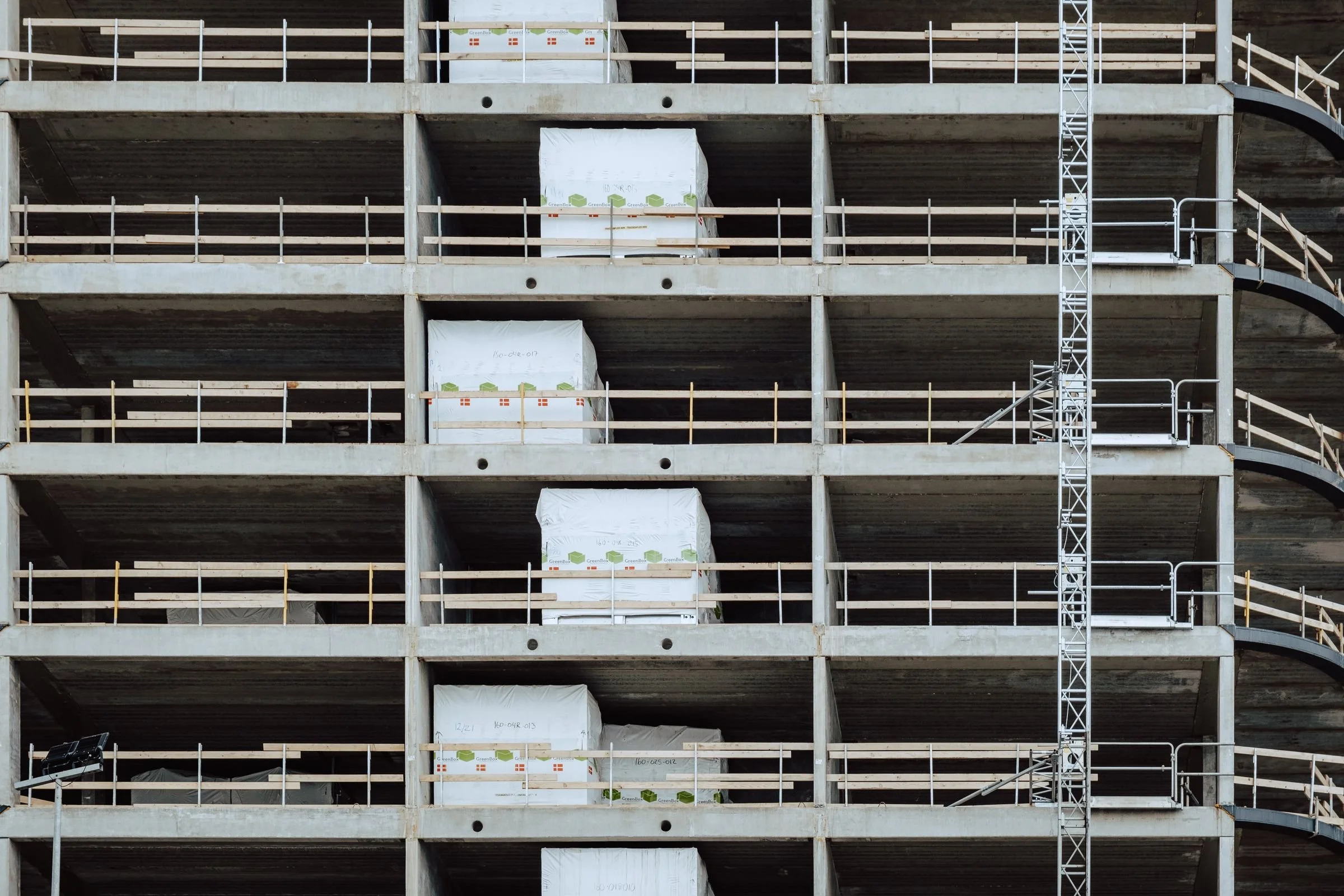
Buy or Lease Your FY27 Yard | Switchboard Finance
 Construction Finance
Commercial Property · Owner-Occupier · FY27
Buy or Lease Your FY27 Workshop or Yard: The Builder's Call
Builders heading into FY27 face a familiar fork: keep leasing the workshop, or buy the yard and put a commercial property loan behind it. The reform reshaping property tax from 1 July 2027 only sharpens the question. Here is how the call actually breaks down for an owner-occupier.
Quick Answer
For most builders, the buy versus lease decision comes down to whether owning the premises fits your FY27 capital plan. A commercial property loan turns rent into equity, but it ties up deposit and changes your servicing. Owner-occupier premises suit operators who plan to stay put.
Should You Buy or Lease the Yard You Operate From?
The honest answer is that buying makes sense when you plan to hold the premises through FY27 and beyond, and leasing makes sense when your capital is better spent on equipment, stock or your next contract. The yard you operate from is a business asset either way; the question is whether it sits on your balance sheet or your landlord's.
Where this commonly lands for builders is somewhere in between. The operators who buy tend to be the ones who have outgrown three rentals in a decade and are tired of writing rent cheques that build a landlord's balance, not their own. The pitch for owning is simple: repayments that build your equity, not a landlord's, on owner-occupier premises you actually control. A commercial property loan changes that maths, but only if the deposit and the servicing still leave room to run the business.
When Buying Is the Stronger Fit
Buying is the stronger fit when you have stable occupancy, a deposit you can release without starving the business, and premises that genuinely suit owner-occupier use. It gets tricky the moment any one of those is shaky.
Stronger Fit
- Stable, long-term occupancy; you are not moving in a hurry
- Deposit or equity available without choking working capital
- Premises that suit your trade for years, not months
- You want to hold the premises through FY27 and beyond
- Building equity matters more to you than flexibility
Gets Tricky
- You may outgrow the site in two to three years
- The deposit would strip the cash the business runs on
- The site is over-specified and hard to resell or re-let
- You need to stay mobile and follow the contracts
- Cashflow is seasonal and the repayment leaves no buffer
How much you can borrow turns on equity and the loan to value ratio. Indicative LVR ceilings vary by lender and sit lower for commercial premises than for a home, which is why the deposit, or equity released from another property, does the heavy lifting. A commercial property loan for an owner-occupier is usually read more kindly than the same loan for an investor, because the lender can see the business that will pay it. Understanding your LVR early tells you whether the buy versus lease decision is even open.
How the FY27 Reform Reshapes the Call
The FY27 reform changes the tax backdrop to property, which is why the buy versus lease decision deserves a fresh look this year rather than a copy of last year's answer.
The headline change, restricting negative gearing to new builds alongside a reworked capital gains tax discount, is legislated and commences 1 July 2027, with arrangements held before Budget night grandfathered. For a builder buying the premises the business occupies, negative gearing is largely beside the point, because you are not gearing a rental, you are housing your own operation. The reform still matters as context: it cools some of the investor demand that competes for the same commercial stock, and it sharpens the case for owning what you use rather than speculating on what you do not. Industry bodies such as the Property Council of Australia have set out how the package reshapes property investment more broadly.
On the equipment side, the instant asset write-off sits in the background of the same capital decision. A permanent $20,000 instant asset write-off from 1 July 2026 has been announced but is not yet law, so a builder weighing a deposit on premises against a new machine should treat it as announced, not settled. Where this commonly lands is a staged plan: secure the premises when occupancy is certain, and let the gear follow as the rules firm up.
What a Lender Looks At on an Owner-Occupier Deal
On an owner-occupier commercial property loan, the lender weighs the business that will occupy the premises first, then the security behind it. From where I sit, the builders who get a clean approval are the ones whose figures show the business can carry the repayment before the property is even valued. The premises become second-ranking comfort, not the whole case.
Pricing and structure move around, so it pays to read the current picture; our guide to commercial property loan rates sets out where the market sits. If you are building or adding to the yard rather than simply buying it, that is development finance territory, and the line between the two is worth understanding, which our comparison of a commercial property loan versus development finance lays out. When the loan matures you may want to refinance into a sharper structure, and the construction loan pack and our construction hub collect the rest of the funding picture in one place.
For a builder, the buy versus lease decision is a capital call dressed up as a property one. Buying turns rent into equity and lets you hold the premises through FY27 on your own terms, but it asks for a deposit and a servicing commitment that have to leave room to run the job. Leasing keeps you light and mobile when contracts move you around or the capital is better spent on plant. The FY27 reform tilts the backdrop but rarely decides it; occupancy, cashflow and how long you plan to stay still do.
Key takeaway: buy when you will hold the yard through FY27 and the deposit will not starve the business, and lease when flexibility or capital is worth more than equity.Frequently Asked Questions
Whether a builder should buy or lease comes down to how long you will stay and what your capital is worth elsewhere. Buying suits operators who plan to hold the premises through FY27 and beyond and can release a deposit without starving the business; leasing suits those who value flexibility or need the cash for equipment and contracts. A commercial property loan is what makes owning possible, so the maths starts there.
You can get a commercial property loan for premises your own business occupies; this is known as an owner-occupier deal and it is one of the most common ways builders buy a yard. Lenders treat the occupying business as the main source of repayment, so the strength of your trade matters as much as the property. You can read how the product works on our commercial property loans page.
The deposit needed to buy a commercial workshop or yard is larger than for a home, and indicative LVR ceilings vary by lender, so the equity you bring is what sets the size of the loan. Owner-occupier deals are typically read more favourably than investment ones, and existing equity in other property can sometimes stand in for cash. Your LVR is the figure to understand before you start.
The FY27 negative gearing reform changes the tax treatment of property investment, but buying premises your own business occupies is an operating decision more than a gearing one, so the reform matters less to an owner-occupier than to an investor. The change is legislated and commences 1 July 2027, with arrangements held before Budget night grandfathered. If you also build rather than simply buy, our comparison of a commercial property loan and development finance is worth a read before you decide.
Buying your yard builds equity where renting does not, which is the heart of the buy versus lease decision; every repayment on an owner-occupier loan chips at the balance rather than disappearing as rent. The trade is flexibility and upfront capital, so buying is better for equity only if you can carry the loan comfortably and plan to stay. Our construction finance glossary explains how the pieces fit together.

 FBAA Accredited
