
When Construction Costs Outrun the Senior Facility
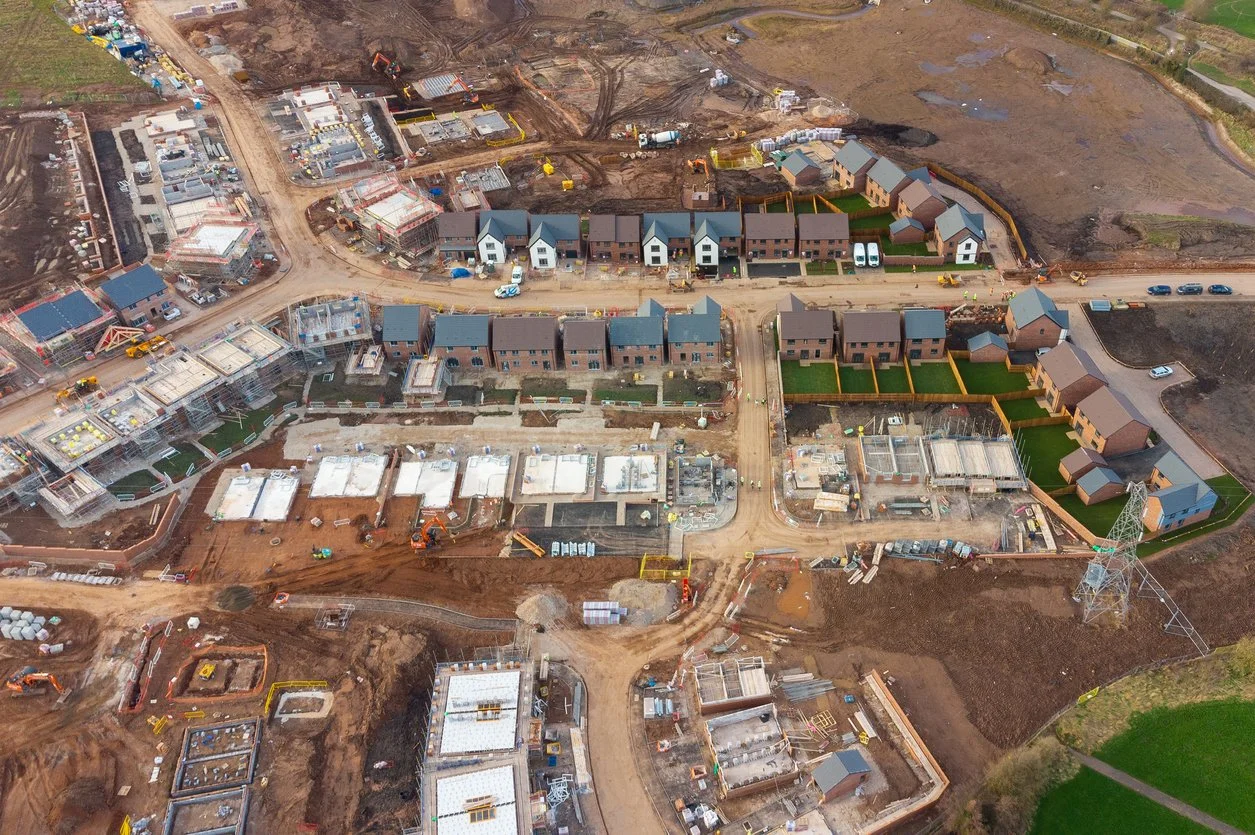
Development Cost Overrun Funding | Switchboard Finance
 Property Lending Hub
Cost Overruns · Top-Up Funding · Development Finance
When Construction Costs Outrun the Senior Facility
Mid-build funding gaps rarely announce themselves politely. A trade package comes in over budget, the program slips, and suddenly the approved facility will not carry the project to completion. There are four top-up paths, and the order you approach them in decides what the gap ends up costing.
Quick Answer
When construction costs outrun the senior facility, there are four top-up paths: a senior facility variation, a second mortgage behind the existing debt, a mezzanine layer, or fresh equity. The right path depends on timing, the senior lender's appetite, and the equity left in the project.
Why Construction Costs Outrun the Approved Facility
When a development budget breaks mid-build, the instinctive question is where to find more money. The more useful question is which top-up path costs least, settles fastest, and keeps the project drawing. Reframed that way, a cost overrun stops being a crisis and becomes a sequencing problem.
The causes are rarely exotic. Trade packages price above the original estimate, variations accumulate, a delayed program stretches the interest provision, and a contingency line that looked adequate at approval gets consumed in the first half of the build. Industry bodies such as the Urban Development Institute of Australia have tracked sustained delivery-cost pressure across the sector, so a budget set even twelve months ago can sit meaningfully below today's cost to complete.
The structural problem is that the senior facility does not flex. Senior lenders typically fund approximately 65 to 80 per cent of total development cost, illustrative and varies by lender, and release the money through staged drawdowns against certified progress. When the cost to complete rises, the approved limit does not rise with it. If you are newer to how these facilities are built, our explainer on how development finance works covers the mechanics; this post is about what happens when the numbers stop fitting inside one.
The Four Top-Up Paths, From Fastest to Slowest
There are four top-up paths when a development budget breaks mid-build: a senior facility variation, a second mortgage behind the existing debt, a mezzanine layer, or new equity. Each trades speed against cost against how much of the existing structure has to be re-papered, which is why the decision is rarely about one path in isolation. Across the property lending work we do, the projects that resolve cheapest are the ones where the paths were tested in the right order.
Select your scenario
Ask the senior for a facility variation first.
If the project is still on program and the gap is modest, the incumbent lender is usually the cheapest and fastest answer. The cheapest dollar is the one already approved, and a variation extends it without introducing a new funder, new security, or a new set of legal documents.
Usually fastestTypically Faster
- Senior facility variation on a project still on program
- Second mortgage where the senior consents early
- Valuation and quantity surveyor reports already current
- One decision-maker working off an existing security pack
Typically Slower
- Mezzanine layer needing intercreditor negotiation
- Replacing the whole senior facility mid-build
- Stale cost reports that force fresh due diligence
- Approaching funders only after drawdowns have stopped
Start With the Senior: Why a Facility Variation Comes First
A senior facility variation should almost always be the first conversation, because the cheapest dollar is the one already approved. The incumbent lender already holds the security, already knows the project, and already has a quantity surveyor reporting on it. Extending an existing development finance facility avoids the establishment costs, fresh valuations, and legal work that come with introducing any new funder.
The variation conversation goes better when it is led with evidence. Lenders want a revised cost-to-complete, an explanation of where the cost overrun came from, and confidence that the gap is fully funded by the request rather than a first instalment of several. Where this commonly lands is a split outcome: the senior funds part of the gap against the project's remaining headroom, and the balance comes from a junior layer or developer equity.
Timing matters more than most developers expect. A variation requested while the facility is in good standing is a commercial discussion. The same request made after a missed drawdown certificate or a stalled program reads as distress, and the pricing follows. Forecast the shortfall, do not wait to hit it.
If the senior will not stretch far enough, you can check eligibility for a junior layer before the cost-to-complete forces the timing.
Second Mortgage or Mezzanine Layer: Funding Behind the Senior
When the senior cannot or will not extend, the gap gets funded behind the senior, and the two main tools are a second mortgage and a mezzanine layer. They are often spoken about interchangeably, but they are different instruments. A second mortgage is a registered security over the property behind the existing debt, and for smaller gaps it is typically the quicker of the two to arrange, indicative and varies by lender. A mezzanine layer is usually structured at the entity level, sized to carry the project all the way to completion, and priced for the deeper risk position it takes.
Junior funders care about two things above everything else: how much total debt sits against the project's gross realisation value, and whether the top-up genuinely completes the build. A junior layer that leaves the project short is the most expensive kind of money, because it gets consumed without removing the problem. Where this commonly lands is a simple division of labour: a second mortgage for contained overruns on projects close to completion, and a mezzanine layer for larger structural gaps earlier in the build, as in the townhouse scenarios we covered in mezzanine finance for townhouse developers.
Whichever tool fits, the senior lender's consent is part of the path, since any new security registered behind the senior debt needs their sign-off. A broker who packages the request with the senior's position protected, current cost reporting, and a fully funded completion number gives both lenders a reason to say yes quickly.
A cost overrun mid-build is a sequencing problem, not a dead end. Test the senior facility variation first, because the cheapest dollar is the one already approved. If the senior is at its ceiling, a second mortgage suits contained gaps near completion, while a mezzanine layer suits larger structural shortfalls earlier in the program. Whatever the path, move on the forecast rather than the missed payment, and make sure the top-up funds the project all the way to completion.
Key takeaway: The order you approach the four top-up paths in decides what a cost overrun costs you. Start with the dollar already approved.Frequently Asked Questions
Mezzanine finance is not the same as a second mortgage, although both sit behind the senior facility in the repayment order. A second mortgage is a registered security over the property itself, while mezzanine finance is typically structured around the development entity, often through a second-ranking charge or security over shares rather than a simple registered mortgage. The labels get used loosely in the market, so the safest move is to ask any funder exactly what security they will register and where they sit relative to the senior debt.
Increasing a development loan during construction is possible through a senior facility variation, where the incumbent lender reassesses the project and lifts the approved limit. The lender will typically want an updated quantity surveyor report, a revised cost-to-complete, and evidence the project still supports the larger debt, as covered in our explainer on how development finance works. Approval is never automatic, but a project that is on program with a clearly explained cost overrun has a reasonable conversation ahead of it.
If a construction loan runs out of money before practical completion, drawdowns stop, contractors go unpaid, and the project stalls until a top-up path is agreed. A partially built project is harder and more expensive to fund than one that is still drawing through its staged drawdowns normally, because every funder prices the risk of an incomplete asset. That is why acting on a forecast shortfall early, while the facility is still in good standing, almost always produces a cheaper outcome.
Developers fund a construction cost overrun through four main paths: a variation to the senior facility, a second mortgage registered behind the existing debt, a mezzanine layer sized to complete the project, or fresh equity from the developer or an investor. The right path depends on the size of the gap, how the senior lender responds, and how quickly the money is needed. A broker's job is to sequence those conversations so the cheapest viable option is tested first.
Senior development lenders typically fund approximately 65 to 80 per cent of total development cost, illustrative and varies by lender, with the developer covering the balance through equity. That ceiling is exactly why cost overruns create funding gaps: when costs rise, the approved facility does not rise with them, and the difference has to come from somewhere. Junior funding layers, explained in our guide to how development finance works, exist to fill that space without unwinding the senior facility.

 FBAA Accredited
