
Why Smart Business Owners Are Upgrading Their Work Vehicles Now — Ahead of EOFY 2026
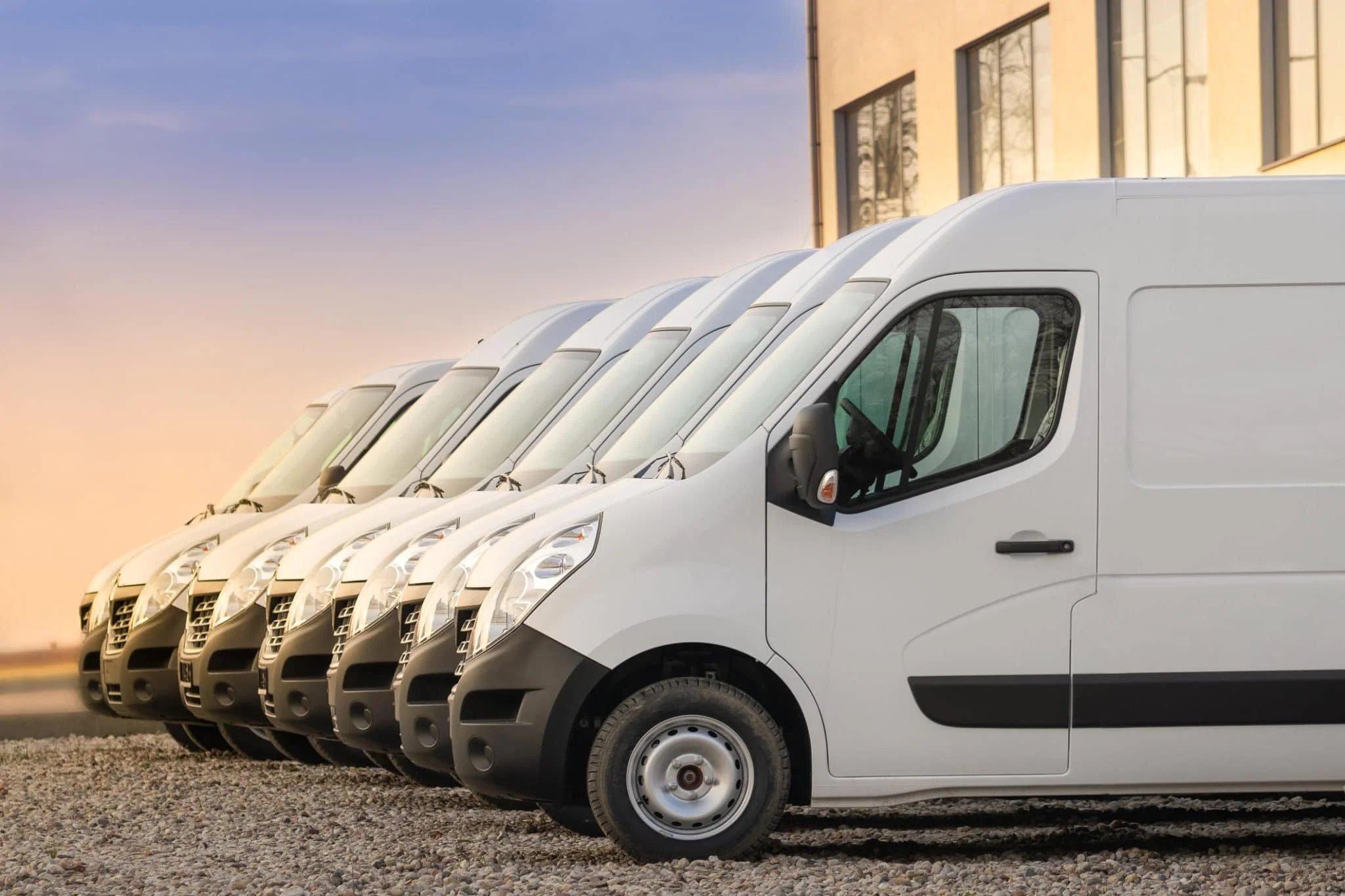
Upgrade Their Your Vehicles Now — Ahead of EOFY 2026

Why Smart Business Owners Are Upgrading Their Work Vehicles Now — Ahead of EOFY 2026
A lot of ABN holders aren’t waiting until the last minute to replace ageing utes, vans and SUVs. They’re bringing upgrades forward and locking in finance now, while stock and cash flow still line up.
This simple guide walks through why that’s happening, what EOFY timing actually changes, and how to set up Asset Finance so repayments stay comfortable. If you want the nuts and bolts on low doc, pair this with Low Doc Vehicle Finance for ABN Holders: 2025 Guide.
Why EOFY 2026 is on the radar now
Most owners don’t wake up one day and decide to upgrade on a whim. The decision usually builds up over months of repairs, lost hours and a vehicle that no longer projects the right image for the business.
Bringing the upgrade forward gives you time to shop, negotiate and line up finance that suits how you actually use the car, ute or van. It also means you can talk to your accountant about the move instead of calling them in a panic in June.
If your work vehicle is tied to how you quote and win jobs, it’s worth treating the upgrade as a planned investment rather than an emergency. Guides like Fast-Track Asset Finance for ABN Holders and Tradie Finance Australia show how other owners are doing that.
Simple signs it’s time to upgrade
- Repairs and hire cars are chewing up more cash than a predictable repayment would.
- The vehicle looks tired next to competitors and impacts how clients see your brand.
- You’re turning down jobs because you can’t carry enough tools, stock or staff.
A small electrical business planned to replace a 10-year-old van in mid-2026. After three breakdowns in six months, they moved the upgrade forward. By acting earlier, they had time to compare finance options and ended up with a newer van on low doc terms, with repayments covered by just a couple of jobs a week.
Because they weren’t rushing, they also used this window to tidy up older loans using ideas from Tradie Refinance Pack 2025.
Tax timing without the jargon
The main tax considerations are simple: how quickly the vehicle is written down, how much you use it for business, and what year the purchase lands in. Your accountant can do the fine print; you just need to make sure the plan makes sense.
The current rules around Instant Asset Write-Off and Depreciation affect how your claim is spread across years. Timing a purchase before EOFY 2026 could shift when those deductions hit your books.
For the latest thresholds, always check the ATO at ato.gov.au and read it alongside more detailed pieces like this article and the broader equipment view in Asset Finance for Growing SMEs: When to Buy vs Hold.
Upgrade now vs wait – what usually changes?
| Upgrade before EOFY 2026 | Wait and push past EOFY | |
|---|---|---|
| Tax planning | More time for your accountant to plan deductions around your GST Turnover. | Less time to structure the purchase; more last-minute decisions. |
| Cash flow impact | Repayments start sooner but you also stop bleeding repair costs. | Repairs and downtime may continue, often with no tax benefit. |
| Vehicle choice | Better shot at the spec you want, not just what’s in stock. | Higher chance you’re stuck with whatever is available in June. |
A café owner needed to replace both a delivery van and a coffee machine. Instead of doing everything in one frantic EOFY month, they replaced the van first, then used ideas from The Coffee Machine Finance Ladder to plan the next upgrade. Spreading purchases gave their accountant more room to plan deductions across years.
Keeping repayments comfortable while you upgrade
Upgrading early only works if the structure fits your Cashflow. That means picking the right mix of price point, deposit, balloon and term, not just chasing the newest vehicle on the lot.
Many owners use a Low Doc Loan for speed, then keep the repayments sensible by choosing a realistic balloon and avoiding unnecessary extras. Others use a more traditional facility but pair it with a Business Line of Credit for short-term costs like rego and insurance.
If your vehicle is heavily work-related, getting the business-versus-personal split right also matters. The Business Use % guides how your accountant treats deductions, so it’s worth a quick chat before you sign anything.
3-step vehicle upgrade framework
- Confirm how much you can safely repay each week once slow months are factored in.
- Pick a vehicle that fits that number, not the other way around.
- Choose a facility that suits your stage of business – for example Low Doc Vehicle Finance or a broader Low Doc Asset Finance package if you’re upgrading tools as well.
A small transport operator wanted to add two new vans ahead of EOFY 2026. Instead of taking on both at once, they upgraded one vehicle now and pencilled in the second for the following year after reviewing What Is Fleet Finance and How Does It Work?
They kept repayments inside their comfort zone and still improved reliability and capacity before the busy season.
What smart operators are doing next
The most prepared owners keep things simple: they decide what needs replacing, talk to their accountant, then get a broker to line up options that match the plan instead of chasing random offers online.
Many start with a work vehicle, then look at other upgrades using guides like 7 Business Costs You Can Finance Instead of Paying Upfront or, for tradies, the Tradie Upgrade Ladder 2025.
If you want a simple path, you can explore the Business Owners Finance Hub then jump into the Vehicle Finance and Business Loans pages to see how Switchboard structures deals for ABN-strong clients.
EOFY vehicle upgrade FAQs
No. The main thing is planning the timing with your accountant so Tax Deductions line up with your income for the year. Acting early simply gives you more time to choose the right vehicle and finance structure.
Lenders focus on whether the vehicle is genuinely used for business, while your accountant will look at your actual Business Use %. A higher work percentage usually means more deductions, but even mixed-use vehicles can be financed through the business if structured properly.
Often yes, as long as your Bank Statements and trading history support the deal. Low doc options can rely more on real-time account data instead of a full tax pack, especially for established ABN holders.
It depends how the new repayment fits your overall Borrowing Capacity. A well-structured vehicle loan that replaces unpredictable repair costs can actually make your position clearer for future funding, especially when combined with tidy business banking.
Many owners refinance or replace vehicles before the end of term. A broker can help you check the Payout Figure, trade-in value and repayments on a new deal so you can decide whether to upgrade, refinance or wait.
