
Forklift + Materials Handling Comparison (2025): Pick the Right Structure for Clean Approvals
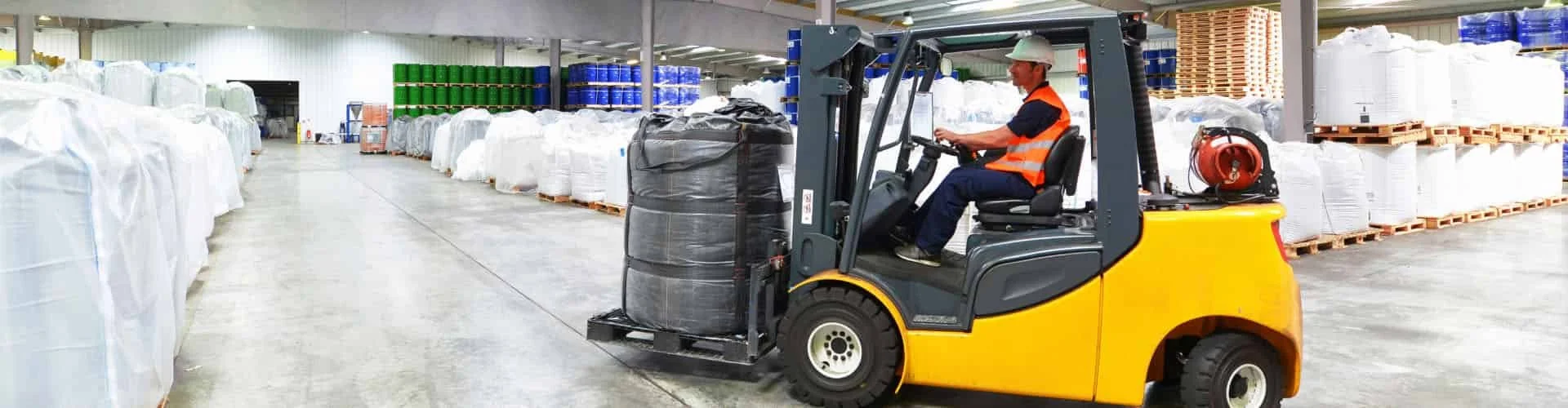
Forklift finance comparison for manufacturers and warehouse operators – Switchboard Finance
 🏭 Forklifts + materials handling · Equipment Finance · Business Owners Finance Hub · 2025
In manufacturing and warehousing, the “forklift decision” is rarely just the forklift. It’s often the whole materials-handling setup: the unit, attachments, chargers, safety add-ons, and sometimes racking or floor upgrades. The cleanest approvals come from matching your Asset Type to the right Facility and Term Length.
If you want the fast lane first, start with Fast-Track Asset Finance for ABN Holders. If you’re deciding “finance structure” rather than brand/model, read Lease vs Buy Equipment and the approval pitfalls in Top 5 Mistakes Business Owners Make When Applying for Equipment Finance.
- If you need “simple + fast”, go Low Doc Asset Finance with clean Bank Statements.
- If you need the lowest monthly pressure, compare Finance Lease vs Operating Lease and tune the Residual Balloon.
- If cashflow is the real issue, pair the plan with a safety net via Business Loans (LOC/WCL/Invoice), not by stretching the equipment term forever.
Comparison #1: what you’re really financing (unit vs “whole setup”)
Most lenders are comfortable with forklifts and materials-handling gear as a Secured Loan because the security is clear. The friction happens when the “forklift” quote is actually a bundle: attachments, battery systems, chargers, safety extras, and delivery — but the paperwork doesn’t separate what’s what.
If you want cleaner approvals, make the quote approval-ready and keep the story simple: your ABN trading, your Turnover, and how the asset supports the work (that’s what underwriting is testing in a Cash Flow Assessment). This is the same mindset we use for “proof speed” in Are Low Doc Equipment Loans Worth It?.
If you’re upgrading multiple items at once, treat it like an asset plan, not a shopping list. When it’s structured well, you can keep a low-doc file moving with fewer conditions — especially if you’re aiming for Fast Approval.
- Main unit cost (forklift / reach truck / order picker)
- Attachments (fork positioners, clamps, rotators) as separate line items
- Battery/charger package (especially if it materially changes value)
- Delivery/installation/training (separate from the asset where possible)
- GST clarity (helpful if you’re GST Registered)
- Keep ownership: Chattel Mortgage or Hire Purchase
- Keep payments lower: Finance Lease + a sensible Balloon Payment
- Keep flexibility: compare Fixed Rate vs Variable Rate (and don’t ignore the Comparison Rate)
Comparison #2: new vs used, and why “paperwork quality” beats price
New vs used matters, but not in the way most business owners think. Approvals don’t slow because a unit is “used” — they slow because the lender can’t confidently validate value, ownership trail, or the security position. That’s why PPSR becomes relevant whenever the asset isn’t straight off a clean supplier invoice.
The easiest protection step is basic and early: do a PPSR Check before you commit (especially on private purchases or auctions) so you don’t inherit a problem that turns into an approval condition. If you want the 10-minute version, you already have it in PPSR Checks for Asset & Vehicle Finance.
If you’re comparing suppliers, compare “settlement readiness”, not only price: whether the invoice is complete, whether the asset ID trail is clear, and whether delivery timing matches your trading week. This is why some low-doc deals fly and others drag — even with the same borrower.
| Purchase route | Typical approval strengths | Typical friction | Best internal next link |
|---|---|---|---|
| New (supplier/dealer) | Clean invoice + clear security = smoother underwriting | Bundled quotes with missing line-item clarity | Fast-Track Asset Finance |
| Used (dealer) | More documentation than private; clearer handover | Condition/value questions if details are “TBC” | Low-Doc Equipment Loans (Easiest Way) |
| Used (private/auction) | Cheaper can work well if security trail is clean | Encumbrance risk without PPSR Check | PPSR Checks |
- Submit consistent Bank Statements that reflect true trading (supports Trading History).
- Keep the facility story clean: one asset purpose, one quote, one plan (ties back to Borrowing Capacity).
Comparison #3: structure, cashflow, and avoiding “repayment regret”
Most forklift finance pain comes later, not at approval: repayments that don’t match your trading week, or a structure that forces a refinance at the wrong time. The two levers you control upfront are Term Length and Residual Value (or Balloon Payment).
If monthly pressure is tight, don’t only “stretch term” — balance it with a sensible balloon and build a plan for the end-of-term decision. And if you’re already sitting on old equipment facilities, learn the clean language of cleanup: Asset Refinance, Refinancing, and understanding the Payout Figure.
If the real issue is seasonal or “lumpy” cashflow, separate equipment finance from working capital. A forklift is an Asset Finance problem. BAS, stock cycles, and slow-paying customers are a Business Loan problem — solved with the right mix of Business Line of Credit, Working Capital, or Invoice Finance.
- Growth phase: keep flexibility (consider Variable Rate and a conservative balloon)
- Stable phase: optimise cost certainty (Fixed Rate can help budgeting)
- Cashflow tight: don’t hide it in the equipment term — use a separate facility via Business Loans
- Low Doc basics: consistent Bank Statements
- Clear trading timeline (6–12 Months Trading and beyond)
- A simple sign-off (e.g., Director’s Declaration / Self-Declaration where relevant)
Forklift + materials handling finance is easiest when you treat it as a clean Asset Finance file: clear quote, clear asset trail, and a structure that matches Cashflow. New vs used matters less than paperwork quality and security checks.
Keep your revenue path simple: use Low Doc Asset Finance (equipment), pair it with Business Loans if you need a buffer, and for fast onboarding start with Fast-Track Asset Finance. If you’re still choosing structure, revisit Lease vs Buy Equipment.
FAQ
Often, yes — if you can show consistent trading through Bank Statements and the quote is clean. The simplest path is usually Low Doc Asset Finance with the right Term Length.
It’s most relevant on used units where ownership trail can be messy (private sale/auction). A PPSR Check helps avoid security surprises that can delay Settlement.
A Balloon Payment (or Residual Value) can reduce monthly pressure, but only if you have a clear end-of-term plan (sell, refinance, or pay out). If you’re unsure, keep the structure conservative.
Sometimes — but you’ll need to understand the Payout Figure and any Exit Fees. This is where Asset Refinance can work, if the numbers actually improve your weekly position.
Use a Business Line of Credit for timing gaps (stock, wages, BAS), and use Equipment Finance for the forklift itself. Mixing the two often makes pricing and risk worse than it needs to be.
For workplace safety guidance, start at safeworkaustralia.gov.au.
Disclaimer: This content is general information only and isn’t financial, legal, or tax advice.
