
Upgrade or Refinance Plant Before EOFY | Switchboard Finance
 Tradie Hub
Asset Finance · Refinance · EOFY
Upgrade the Plant or Refinance It Before EOFY?
A new financial year is bearing down and the question on a lot of tradie jobsites is the same one: spend on newer gear, or restructure the gear you already run. The right answer is rarely about the calendar. It is about what the asset still does for you.
Quick Answer
Upgrade when the machine itself is holding back the work. Refinance when the gear still performs but the repayment is the pressure point. The asset finance read is the same either way: match the structure to the asset. A low doc asset finance broker can map both paths.
Upgrade or refinance: which call fits the gear?
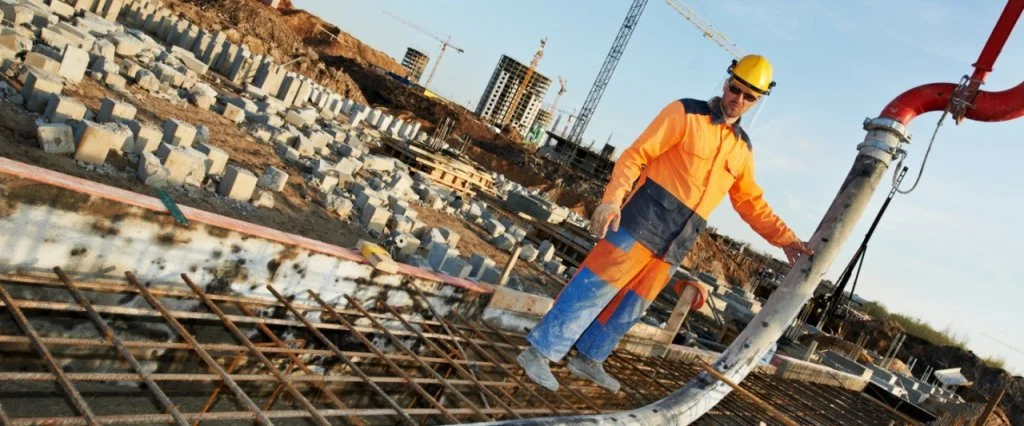
The decision comes down to a single read: is the machine still doing the job, or has the work outgrown it? Picture a concreter whose six-year-old line pump is reliable but slow on the bigger pours now coming through, against a landscaper whose mini excavator is fine for the work but whose repayment is eating the margin every month. Same EOFY, two completely different calls. The first is an upgrade question. The second is a trade up or refinance the residual question, and it almost always lands on refinance.
From the broking seat, the cleanest way to separate the two is to ask what limit you are actually hitting. If the limit is capability, throughput, downtime, or a job you keep turning away, that points to an upgrade. If the limit is cashflow on gear that still earns, that points to asset refinance on the existing machine. The tradie upgrade ladder covers the wider sequencing question of what to finance and when; this piece is narrower, the upgrade-versus-refinance call on one specific item of plant.
When a refinance works, and when it stalls
Refinancing the residual on plant you already own works best when the asset has real working life left and the goal is to ease monthly pressure or free up funds for the next job. It stalls when the gear is near the end of its useful life or the file is messy enough that a lender cannot get comfortable on value. Here is where this commonly lands.
| Refinance works when | It stalls when |
|---|---|
| The machine still earns and has years of working life left in it | The gear is near the end of its useful life and falling in value |
| Equity has built up against the residual or balance owing | Little to no equity sits in the existing balance |
| The aim is lower repayments or freed-up cashflow for the next job | You are chasing newer capability the current machine cannot give |
| Trading is steady and the ABN and GST picture is tidy | Records are thin and the asset is hard to value or verify |
| The asset is identifiable, serviced, and easy for a lender to value | A longer term would outrun the realistic life left in the plant |
If your scenario sits mostly in the right-hand column of the table, the honest answer is usually not a refinance at all, it is either holding the current finance as-is or planning an upgrade. A broker who can see the whole tradie loan pack across vehicles and equipment will spot which column you are in faster than a single-lender quote will.
How the current-year write-off changes the upgrade maths
If you land on upgrade, the current-year write-off is the lever worth understanding before 30 June. For eligible small businesses, a new depreciating asset can qualify for the instant asset write-off when it is first used or installed ready for use by the deadline, per the ATO's instant asset write-off guidance (last updated 9 December 2025). That is the current-year write-off, subject to the 30 June install rule: the gear has to be in your hands and ready to work, not merely on order, for this year's claim.
This only matters on the upgrade branch, because the write-off attaches to a genuine new purchase, not to refinancing a machine you already own. It is also worth being precise about the road ahead: a permanent twenty thousand dollar setting from 1 July 2026 was announced in the 2026-27 Federal Budget, but permanence is announced, subject to legislation and is not yet law. Without that enabling legislation the threshold reverts to around one thousand dollars from that date. Treat the current-year position as the thing you can act on now, and the future setting as a plan, not a promise. Your accountant should confirm eligibility and the tax effect for your structure before you sign.
What approval looks like either way
Whether you upgrade or refinance, the file moves at a similar pace: approval is commonly around 8 to 14 days, indicative and varies by lender, and the cleaner the file, the faster the answer. What I see most often is that the timeline turns on how quickly the supporting documents come back, not on the lender's appetite. A reduced-documentation path can keep the paperwork light for a self-employed tradie, but the lender still needs to identify and value the asset and read your trading picture.
On an upgrade, the lender is pricing a new asset, so the focus is the purchase, the deposit position, and how the new repayment sits against your cashflow. On a refinance, the focus shifts to the current value of the existing plant and the equity in the residual. Either way, a chattel mortgage is one common structure for the borrowing, and a broker will match the lane to the asset and the use. If you are weighing the deposit and timing on a new plant purchase, the note on chattel mortgage deposits on new plant runs through how that side reads.
Upgrade or refinance is not really an EOFY question, it is a question about the asset. Upgrade when capability is the limit and a new purchase can pull the current-year write-off into the maths, subject to the 30 June install rule. Refinance when the gear still earns but the repayment is the pressure point and there is working life and equity to support a new term. The 1 July setting is announced and not yet law, so act on the current-year position and plan around the rest.
Key takeaway: Match the finance to what the asset still does for the business, not to the calendar, and get the call checked before 30 June.Frequently Asked Questions
Whether to trade up or refinance the residual before 30 June depends on whether you actually need newer capability or simply want to free up cashflow on gear that still does the job. Upgrading to a new asset can bring the current-year write-off into play, subject to the 30 June install rule, while a refinance restructures the residual you already owe. Where this commonly lands is a quick read on the asset's remaining working life against your next twelve months of work. See our note on asset refinance for how the residual is treated.
The instant asset write-off applies to a depreciating asset you buy and first use or install ready for use, not to refinancing equipment you already own. Refinancing changes how the existing debt is structured, it does not create a new purchase that counts for the write-off. The current-year threshold and the 30 June install rule apply per the ATO's instant asset write-off guidance, and your accountant should confirm your specific position.
Low doc asset finance approval commonly runs around 8 to 14 days, indicative and varies by lender, depending on how clean the file is and how quickly supporting documents come back. A straightforward asset finance file with a clear asset and a tidy trading picture sits at the faster end. Complex structures or older gear can push the timeline out.
Upgrading plant means trading up to newer gear, which is a fresh purchase that can bring the current-year write-off into play, while refinancing means restructuring the balance owing on a depreciating asset you keep using. One changes the equipment, the other changes the finance behind it. The right call depends on whether the limit you are hitting is the machine itself or the repayment on it.
Refinancing your plant typically sets a new term against the current value of the asset, which can lower repayments but extends how long you carry the debt. The trade-off is cashflow now against total cost over the life of the asset refinance. Matching the new term to the realistic working life left in the gear is where this commonly lands.

 FBAA Accredited
