
Manufacturing Equipment Finance Melbourne: Low Doc Loans for Plant, Vehicles & Factory Upgrades
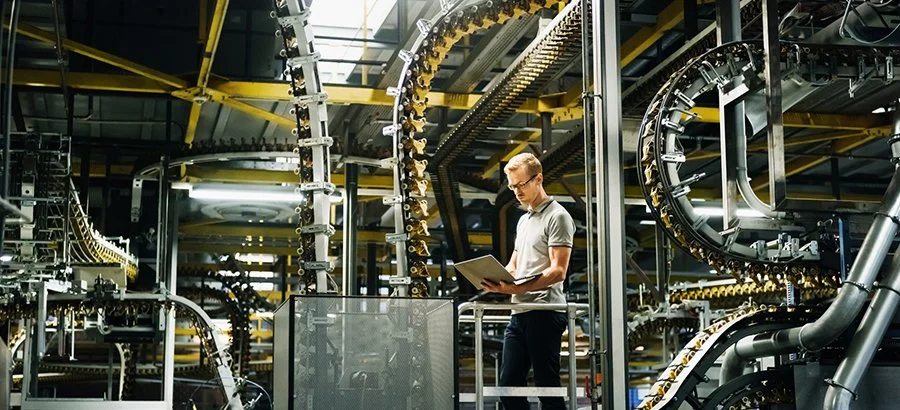
Manufacturing equipment finance Melbourne for factory upgrades – Switchboard Finance

Manufacturing Equipment Finance Melbourne: Low Doc Loans for Plant, Vehicles & Factory Upgrades
Melbourne manufacturers are constantly balancing production capacity, machine reliability and Cashflow. Instead of draining cash for every upgrade, many use Asset Finance and Equipment Finance to spread the cost of new machinery, vehicles and fitouts over time – often via dedicated low doc asset finance facilities.
| Scenario | Typical Asset | Approx. Amount | Typical Term |
|---|---|---|---|
| Boost production | CNC or press line | $150k – $350k | 5 years |
| Modernise fleet | Rigid truck or forklift set | $80k – $250k | 4 – 5 years |
| Factory upgrade | Racking, compressors, power upgrades | $50k – $200k | 3 – 5 years |
Why Melbourne manufacturers lean on low doc equipment finance
Banks often treat manufacturing as “too hard” unless you hand over full financials, forecasts and months of back-and-forth. Meanwhile, production deadlines don’t wait for a credit department in Sydney. Specialist lenders and brokers use structures built for plant-heavy businesses instead.
With a strong track record and solid margins, many factories can qualify for streamlined approvals that rely more on asset strength and performance than thick piles of paperwork. Guides like Fast-Track Asset Finance for ABN Holders and Low Doc vs Full Doc Asset Finance for Established ABNs show how this low doc pathway works.
For factories in Dandenong, Campbellfield, Sunshine or Braeside, the aim is simple: keep production moving by using finance for machines and vehicles, while keeping overdrafts and day-to-day cash free for steel, energy and payroll.
- Approvals scaled to your size – not a bank-style “one template for all”.
- Structures that align repayments to real production and sales cycles.
- Room to upgrade before breakdowns start costing contracts and staff overtime.
What you can finance: machines, vehicles & factory upgrades
Most manufacturers think first about big-ticket machines, but far more can be wrapped into a single proposal. Lenders will usually consider the total package of Machinery Finance, vehicles and supporting infrastructure when assessing a deal for your plant.
That means you can often link the main production asset with the supporting Plant & Equipment that actually makes it productive – not just the machine sitting on the floor. Pages like Equipment Finance and Asset Finance for Growing SMEs: When to Buy vs Hold show how to structure these packages.
Done well, this gives you a realistic upgrade budget and keeps you from cutting corners on key items like dust extraction, compressors or material handling gear that protect staff, throughput and quality.
- Production assets – CNCs, lathes, presses, laser cutters, brake presses.
- Support gear – compressors, dust extraction, conveyors, racking, mezzanines.
- Vehicles – trucks, utes, forklifts and yard equipment tied directly to output.
How low doc approvals work for established manufacturers
If you’ve been trading solidly and your equipment is clearly productive, you may not need full financial statements for every deal. Specialist lenders use streamlined credit models focused on asset quality, director history and real business performance rather than just box-ticking.
A key part of this is how the new repayments fit into your existing cash position. The right structure should feel like a controlled operating cost, not a weekly panic attack whenever payroll hits. Your mix of facilities is usually a blend of asset and equipment finance with targeted Business Loans for short-term projects.
Lenders also pay attention to your history of meeting commitments, how stable your order book is, and whether the upgrade will reduce breakdowns, overtime and scrap – all of which strengthen your ability to service the facility over time.
- Solid trading performance and clear evidence of ongoing demand.
- Strong repayment history on existing facilities and commitments.
- Upgrade plan that improves reliability, margins and delivery times.
Linking equipment finance and business loans for smoother production
The smartest manufacturers don’t treat equipment finance and working capital as separate worlds. They use a clear split: long-life assets go onto structured asset and equipment facilities, while short-term bumps sit on a flexible Business Loan or cashflow product sized for day-to-day swings.
In practice, that might mean financing machines, forklifts and racking over 4–5 years, while steel, packaging, electricity spikes and seasonal labour are covered by a mix of Business Line of Credit, Working Capital Loans and Invoice Finance. The Business Cashflow System blog walks through how these work together.
This is also where smart tax planning comes in – working with your accountant on depreciation and Instant Asset Write-Off rules via the ATO, so your upgrade plan fits your wider tax position instead of fighting against it.
- Match long-term assets with multi-year facilities and clear end-of-term options.
- Use revolving limits for raw materials, wages and one-off cost spikes.
- Plan upgrades around tax timing, not just when a machine finally dies.
Where to go next for manufacturing-friendly finance
If you’re mapping out the next round of upgrades, start with a clear list of machines, vehicles and factory works you want to tackle. Our Low Doc Asset Finance and Equipment Finance services are built for plant-heavy businesses that need to move quickly without losing control of risk.
To see how equipment upgrades connect with broader cashflow tools, explore the Business Loans page and the Business Owners Finance Hub. Many manufacturers also start with guides like Equipment Finance Terms Every SME Should Know to brush up on key concepts before locking in a facility.
If you’re ready to talk through your specific numbers, a quick call can help you decide which assets to finance first and which facilities – equipment, LOC or working capital – belong in your mix.
Manufacturing equipment finance – FAQs
A few common questions Melbourne manufacturers ask before upgrading machinery, vehicles or factory infrastructure.
How much can a manufacturing business usually borrow for new machinery?
Lenders look at your overall Borrowing Capacity, not just the sticker price on a single machine. They factor in trading history, margins and existing repayments so the new facility supports production without overloading weekly cash outflows.
Do I always need full financials, or can I use a low doc option?
Established manufacturers with strong performance can often use a Low Doc Loan for certain upgrades, especially when the asset is clearly productive and the deal size fits within policy limits. Full financials may still be required for larger or more complex packages, but not every machine purchase needs bank-style paperwork.
How long do I need to have been trading before I can upgrade?
Many programs look for at least 6–12 Months Trading, with stronger terms available for businesses that have traded profitably for several years. The longer and more stable your history, the easier it is to structure larger facilities.
Will a weaker credit file stop my factory from getting new equipment?
A softer Credit Score doesn’t automatically rule you out, but it can change which lenders will play and what structures they’ll offer. Clean repayment history on existing facilities and a clear upgrade plan help strengthen the case.
Can I finance factory fitout and services, or just the machines?
In many cases you can bundle key Fit-Out Finance items like power upgrades, air lines, racking and mezzanines with the core machine purchase, as long as the package clearly supports production rather than cosmetic-only improvements.
