
South East Melbourne Manufacturing Loans: Fund Machinery, Fitouts & Warehouses on Low Doc Terms
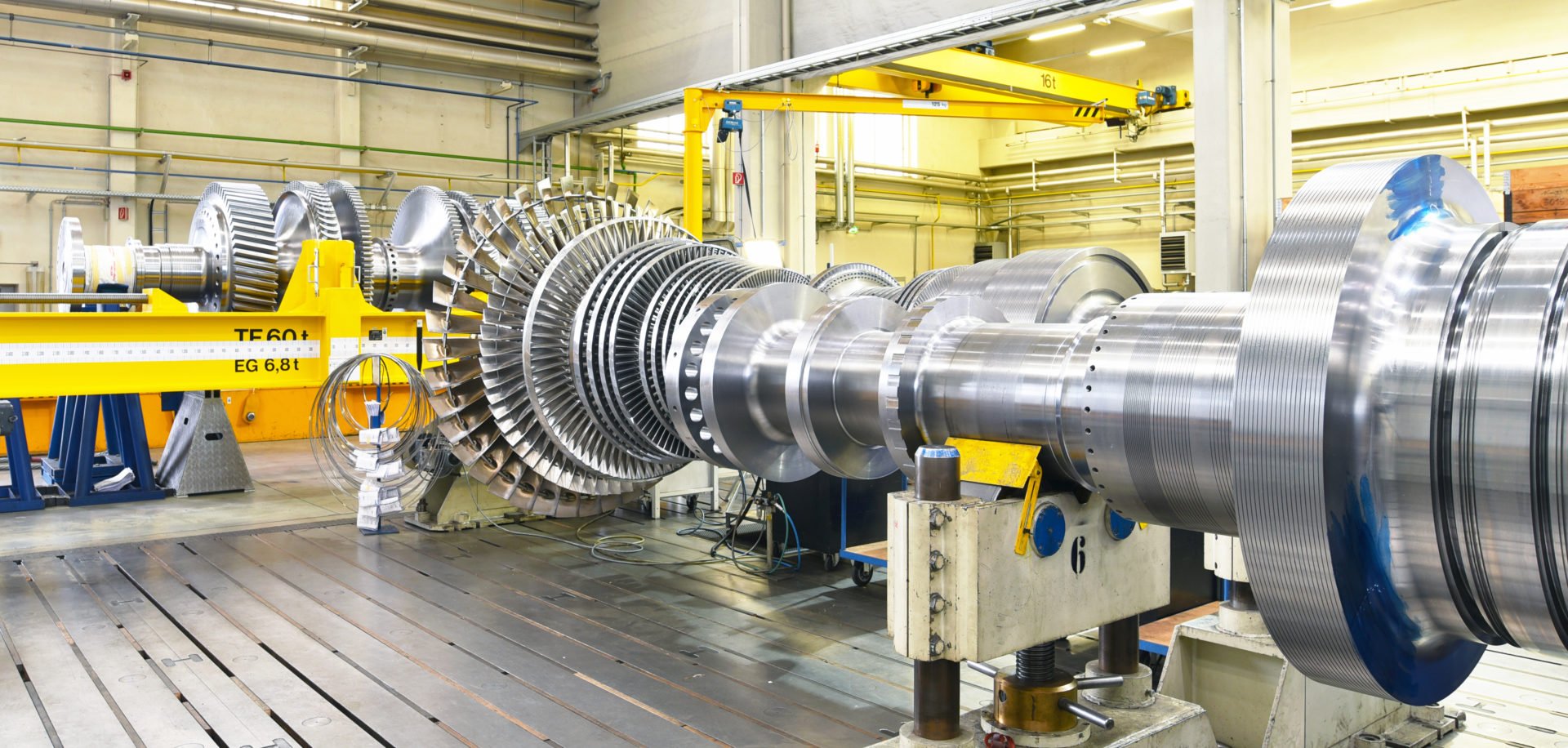
South East Melbourne manufacturing loans for machinery, fitouts and warehouses – Switchboard Finance

South East Melbourne Manufacturing Loans: Fund Machinery, Fitouts & Warehouses on Low Doc Terms
If you run a factory in Dandenong, Braeside, Keysborough or the wider South East corridor, you probably don’t have spare cash sitting around for every machinery, racking or warehouse upgrade. That’s where smart use of Asset Finance and Equipment Finance comes in — spreading the cost while your new assets earn their keep.
| Factory type | Common upgrade | Facility style | Approx. limit |
|---|---|---|---|
| Metal fabrication | CNC, laser, press brake | Low doc term facility | $150k – $350k |
| Food & packaging | Conveyors, chillers, racking | Equipment facility + fitout | $80k – $250k |
| Warehousing & logistics | Forklifts, racking, dock work | Mixed asset facility | $100k – $300k |
Why South East manufacturers lean on low doc facilities
South East Melbourne is full of factories that are asset-rich and time-poor. You’re juggling orders, staff and suppliers — not sitting around modelling cashflows for bank credit teams. Low doc facilities are built to respect that reality.
Instead of treating every deal like a full bank application, lenders look at your trading strength, asset mix and Borrowing Capacity so you can move on upgrades with minimal friction and keep the factory running.
If you’ve been trading solidly, meet basic 6–12 Months Trading requirements and can show how repayments fit your Cashflow, low doc policies can be a faster, more practical way to keep your plant competitive.
- Borrow against productive assets instead of draining cash reserves.
- Use a Low Doc Loan structure sized to your real margins.
- Line upgrades up with contracts, not just with bank review cycles.
What you can fund: machinery, fitouts & warehouses
“Manufacturing loans” in the South East aren’t just about one big shiny machine. Lenders can often package core Machinery Finance with the supporting gear that actually makes that machine efficient and safe to run.
That might include forklifts, pallet movers and other Plant & Equipment around the factory, or the racking and mezzanines that turn a basic shell into a working warehouse.
For many factories in Dandenong, Braeside and Carrum Downs, the real game-changer is bundling smart Fit-Out Finance into the package — power upgrades, air lines, lighting and compliance work that unlock capacity and better material flow.
- Core production assets – CNCs, presses, plastics machines, packaging lines.
- Support gear – forklifts, pallet movers, dock levellers, compressors.
- Fitouts – racking, mezzanines, power and layout changes tied to output.
How term loans, LOC & working capital fit together
Strong manufacturing funding doesn’t rely on one product. It blends structured asset facilities with flexible Business Loan lines so you’re not using long-term debt to solve short-term problems.
In practice, this often means using a Business Line of Credit for raw materials and short spikes, with Working Capital facilities or Invoice Finance smoothing the gap between shipping product and getting paid.
Long-life assets then sit on separate low doc facilities linked directly to the machines and equipment, making it easier to track ROI on every upgrade and keeping your funding mix aligned with how cash actually moves through the business.
- Asset facilities for machinery, vehicles and warehouse infrastructure.
- Revolving limits for stock, wages and one-off supplier squeezes.
- Short-term cashflow tools to bridge trade terms and payment delays.
Next steps for South East Melbourne factory owners
If you’re planning upgrades across machinery, fitouts or warehousing, start by reviewing how your funding mix is set up today. Our Low Doc Asset Finance and Equipment Finance services are built for plant-heavy South East manufacturers that need fast, practical approvals.
To map the working capital side, explore our Business Loans, Business Line of Credit, Working Capital Loans and Invoice Finance pages — they show exactly how each facility type can support your order book.
For more examples across Victoria, you can also read Business Loans Victoria: Fast Low Doc Options for 2025 and Asset Finance for Growing SMEs: When to Buy vs Hold, or dive into the Business Owners Finance Hub for a broader view of how funding ties into long-term growth.
South East Melbourne manufacturing loans – FAQs
Common questions factory owners in Dandenong and the South East ask before taking on new manufacturing loans.
Will a weaker credit score stop us from upgrading machinery?
A softer Credit Score doesn’t automatically block a deal, especially if the business is profitable and the upgrade clearly supports revenue. Lenders will weigh the asset, your track record and how the new repayments sit inside your overall funding mix.
Do lenders look at the company’s credit report or just the directors?
Most assess both directors and the business itself via a Business Credit Report. Clean history, stable limits and sensible use of existing facilities all help your case when asking for new manufacturing funding.
What if we’ve had a few late payments or arrears in the past?
Minor hiccups can often be explained, but ongoing Arrears on existing loans are a red flag. Showing a recent clean run and a clear plan for how the new equipment or fitout improves efficiency can still help strengthen your application.
Do we need full financial statements for every manufacturing loan?
Not always. Some low doc programs still want a snapshot of your Financial Statements, but they’re often lighter touch than a traditional bank review — especially when the loan size and assets sit comfortably within policy.
How do lenders make sure the facility is responsible for our business?
Lenders have Responsible Lending obligations, so they’ll look at how the facility aligns with your cashflow, current commitments and business plans. A good structure should support your production and staff — not push weekly repayments to the edge.
