
One Doc Home Loan for Cafe Owners With ATO Debt (2026)
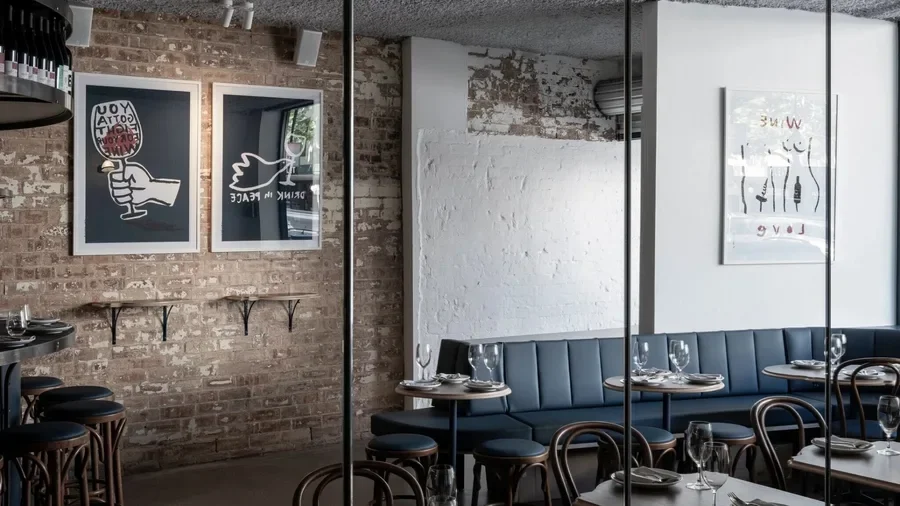
One doc home loan for cafe owners with ATO debt – Switchboard Finance
 Café Hub
One Doc Home Loan · ATO Debt · Self-Employed Cafe Owners
One Doc Home Loan for Cafe Owners With ATO Debt
ATO debt does not automatically disqualify a cafe owner from a home loan. Non-bank One Doc lenders assess your cafe's actual trading income via BAS and accountant certification — not your taxable income on a tax return. If the debt is on an active payment plan and the payments are up to date, most specialist lenders treat it as a manageable liability, not a dealbreaker.
Quick Answer
Cafe owners with an active ATO payment plan can qualify for a One Doc home loan through non-bank lenders that assess trading income rather than taxable income. The payment plan itself is not a disqualifier — it becomes a known liability in the serviceability calculation.
"I Have ATO Debt — That Rules Me Out for a Home Loan"
It does not. This is the most common misconception cafe owners bring into a broker conversation, and it stops people from even asking the question. The assumption is that an ATO debt on file means no lender will touch you. In reality, non-bank One Doc home loan lenders have a specific process for assessing borrowers with tax debt — and that process does not start with your tax return.
The reason this misconception persists is that bank lenders and most bank-channel brokers do treat ATO debt as a hard stop. If you walked into a major bank branch with a running ATO payment plan, you would likely be declined — not because the debt itself is fatal, but because bank credit policy treats it as evidence of financial stress. Non-bank specialist lenders read the same situation differently. They separate the debt from the income. Your cafe might be trading well, generating strong cashflow every month, and servicing the ATO payment plan without difficulty. That is an entirely different risk profile to a business that cannot pay its tax obligations.
ASIC's responsible lending guidance (RG 209) requires all lenders — bank and non-bank — to make reasonable inquiries about a borrower's financial situation. What constitutes "reasonable" varies by lender policy. Non-bank One Doc lenders satisfy this obligation by reviewing your BAS lodgements, accountant's income declaration, bank statements, and the ATO payment plan terms. The debt is a data point in the assessment, not an automatic exclusion.
Why Cafe Owners Build ATO Debt Without Realising It
The pipeline from "healthy cafe" to "ATO debt" is shorter than most owners expect. Cafe businesses are structurally prone to tax debt because the gap between real trading income and taxable income is wide — and the tax obligations are calculated on figures the owner doesn't see until months after the quarter ends.
Here is the typical sequence. A cafe turns over strong revenue through the register and EFTPOS terminal. The owner's accountant applies legitimate deductions — depreciation on equipment, staff costs, rent, stock purchases, superannuation — which pushes taxable income down. The owner sees a low tax bill for the year and assumes all obligations are covered. Then the quarterly BAS arrives, and the GST component is higher than expected because GST is calculated on gross revenue, not net profit. Add a quarterly PAYG instalment based on the prior year's income estimate, and suddenly the cafe owner owes more to the ATO than the business account holds.
This is not poor management — it is a structural feature of how hospitality businesses are taxed in Australia. The owner's actual turnover might be healthy, margins might be stable, and the cafe might be trading well by any operational measure. But the tax timing mismatch creates a debt that accumulates quietly across two or three quarters before the owner sets up a formal ATO payment plan.
This is why a self-employed home loan through the traditional bank channel often fails for cafe owners. The bank sees the low taxable income and the ATO debt, and reads both as distress signals. A One Doc lender sees the BAS turnover, confirms the cafe is trading, notes the payment plan is current, and assesses based on the income the business actually generates.
What One Doc Lenders Check Instead of Tax Returns
Non-bank One Doc lenders replace the traditional full-doc income verification with a single-document approach — usually an accountant's letter confirming your income, supported by BAS lodgements and bank statements. The assessment is built around three pillars, and none of them require a clean ATO account.
The critical distinction is that the ATO debt becomes a servicing input, not a character judgment. Your broker structures the application so the lender sees the payment plan alongside your cafe's trading income, your existing liabilities, and the property you're buying. Check your eligibility to see where your numbers sit before lodging a formal application.
An Active ATO Payment Plan Is Not the Blocker You Think
An active, current ATO payment plan is treated by most non-bank One Doc lenders as evidence that the borrower is managing the obligation responsibly. The plan converts an unstructured debt into a known, time-bound liability with fixed repayments — and lenders can model that into serviceability the same way they model any other recurring commitment.
The problems arise when the payment plan is not current. Missed instalments, lapsed arrangements, or debts referred to external collection are a different conversation entirely. At that point, the ATO debt shifts from a serviceability item to a credit risk indicator, and most non-bank lenders will either decline or require additional security.
Stronger Fit
- Formal ATO payment plan, all instalments current
- BAS lodged on time for the last 4+ quarters
- Accountant willing to certify income
- Cafe trading for 2+ years on same ABN
- Deposit of 20%+ (reduces lender risk)
Gets Trickier
- Missed ATO payment plan instalments
- BAS lodgement gaps or late lodgements
- ATO debt referred to external collection
- Less than 12 months on current ABN
- Deposit under 10% with existing debt
Since February 2026, the APRA debt-to-income cap has added another layer. Banks are now limited to a maximum of 20% of new residential mortgage lending at a debt-to-income ratio of 6 or above. Cafe owners with ATO debt typically show lower taxable income, which inflates the DTI ratio — making them more likely to hit the cap at a bank. Non-bank One Doc lenders are not subject to this APRA cap. For a deeper look at how the DTI cap reshapes the non-bank pathway, see the One Doc home loan after the APRA DTI cap guide.
If your spouse or partner earns PAYG income and is a co-borrower or guarantor, the assessment changes again — the lender can blend the income sources. See the One Doc home loan with a PAYG guarantor guide for how that structure works for cafe partnerships.
When ATO Debt Does Stall a One Doc Application
Not every ATO debt scenario is workable. There are situations where the debt genuinely does block a One Doc approval — and understanding where the line sits prevents wasted applications and unnecessary credit enquiries.
The debt exceeds serviceable limits. If the ATO payment plan instalment plus existing liabilities consume more than the lender's maximum commitment ratio (varies by lender, typically 55–65% of declared income), the application will not pass servicing. The fix is either reducing the loan amount, increasing the deposit, or restructuring the ATO payment plan to lower the monthly instalment — which the ATO will sometimes agree to if you can demonstrate the business is solvent.
BAS lodgements are not current. A One Doc lender needs to see that the business is trading. If BAS has not been lodged for two or more quarters, the lender cannot verify income — and the ATO debt looks less like a timing issue and more like a business in distress. Get your BAS up to date before applying. Your accountant and broker should coordinate the timing.
The debt is in dispute or referred to collection. An ATO debt under a formal dispute or referred to an external debt collection agent sits outside the normal payment plan framework. Lenders treat this as unresolved and unpredictable — it cannot be modelled as a fixed liability because the outcome is unknown.
In each of these situations, the path forward usually involves resolving the blocker first, then applying. A broker experienced in alt-doc home loans can map the sequence — which items to fix, in what order, and how long the lender needs to see a clean track record before reassessing. The cafe loan pack bundles the home loan conversation with any business finance needs so the entire position is assessed together, not in isolation.
ATO debt is common among cafe owners because the tax structure of hospitality businesses creates a gap between real trading income and taxable income. Non-bank One Doc lenders bridge that gap by assessing your cafe's actual performance — accountant-certified income, BAS turnover, bank statements — and treating the ATO payment plan as a known liability rather than a character flaw. The result is a viable home loan pathway that the bank channel typically cannot offer.
Key takeaway: An active, current ATO payment plan and consistent BAS lodgements are your two strongest signals to a One Doc lender. Get both in order before you apply.Frequently Asked Questions
Yes. Non-bank One Doc home loan lenders assess self-employed borrowers on their trading income — typically via an accountant's income declaration and BAS lodgements — rather than on taxable income shown in tax returns. The ATO debt is treated as a liability in the serviceability calculation, not as a reason to decline. The debt must be on a formal payment plan with all instalments current. This pathway is available through specialist non-bank lenders that sit outside the major bank credit policy framework. Explore the full café finance hub for more self-employed finance options.
ATO debt itself does not automatically appear on your credit report while it is being managed through a formal payment plan. However, if the ATO refers the debt to an external collection agency, that referral can result in a default listing on your credit file. A default listing is visible to all lenders and significantly impacts your borrowing capacity for up to five years. The distinction between a managed payment plan and a referred debt is critical — maintaining your ATO payment plan protects your credit file and keeps the non-bank One Doc pathway open.
Most non-bank One Doc lenders require a minimum 20% deposit (80% LVR) for borrowers with a clean credit history and no complications. When ATO debt is present, lenders typically require 25–30% deposit (70–75% LVR) because the additional equity offsets the perceived risk of the outstanding tax obligation. The exact requirement varies by lender, the size of the ATO debt relative to income, and the payment plan track record. A longer track record of current payments — typically six months or more — can improve the LVR available. See self-employed home loan in the glossary for how deposit requirements differ from PAYG borrowers.
A One Doc home loan requires a single primary income verification document — typically an accountant's letter — supported by BAS and bank statements. A low doc home loan is a broader category that may accept various combinations of reduced documentation, including BAS only, bank statements only, or accountant declarations. In practice, most non-bank lenders now use "One Doc" branding for their alt-doc products, and the terms overlap significantly. The key point for cafe owners with ATO debt is that both pathways assess trading income rather than taxable income, and both can accommodate an active ATO payment plan as a known liability.
Yes, and some do. An accountant who signs a One Doc income declaration is certifying that the stated income figure is a reasonable estimate of your annual earnings based on the business records they have reviewed. If your accountant is uncomfortable with the figure — for example, because your records are incomplete or the income claimed is significantly higher than what the BAS and bank statements support — they may decline to sign. This is not unusual. The solution is either to work with your accountant to reconcile the records, or to engage a second accountant who specialises in broker-channel certifications. Your broker can recommend accountants experienced in alt-doc home loan applications for self-employed cafe owners.

 FBAA Accredited
