
Owner-Driver to Fleet Operator: Finance Sequence 2026
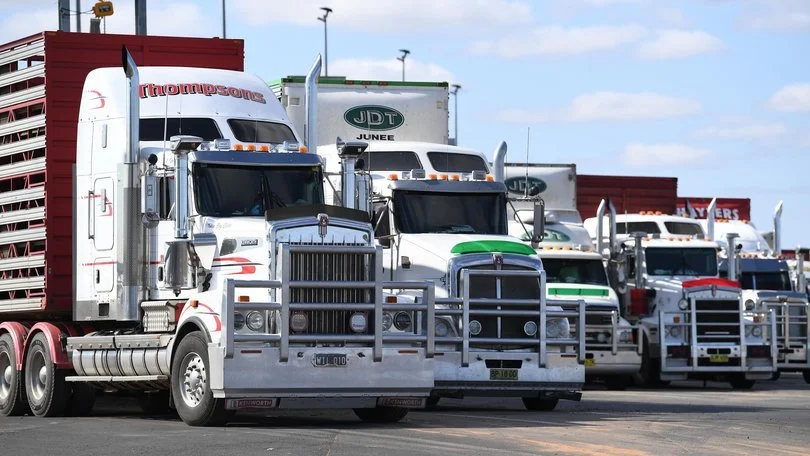
Owner-driver to fleet operator finance sequence 2026, Switchboard Finance
 Truckie Hub
Fleet Finance · Owner-Driver · Facility Sequence
Owner-Driver to Fleet Operator, Finance Sequence 2026
There are three financing tiers between owner-driver and fleet operator, and the right sequence is what saves the second-truck approval. Here is how the year-1 to year-3 transition plays out for self-employed transport operators in Australia.
Quick Answer
The path from owner-driver to fleet operator runs through three tiers, single-asset chattel mortgage, working-capital line, then second-asset chattel mortgage with a refinance review. Sequencing those facilities in the right order, not stacking them at once, is what lets the fleet finance story land cleanly with a credit team.
The three tiers between owner-driver and fleet operator
The shift from owner-driver to fleet operator is not a single transaction, it is a sequence of three. Tier one is the single-asset chattel mortgage on the first prime mover, almost always written low doc, with a balloon set against the operator's first-cycle cashflow assumptions. Tier two is a working-capital line that sits alongside the asset facility to absorb fuel, BAS, and maintenance timing gaps. Tier three is the second-asset chattel mortgage that converts a single-truck owner-driver into a small fleet, often paired with a refinance review of the original facility.
In practice, the order matters more than the products. An operator who stacks tier two and tier three into the same application typically reads as overreach to a credit team, where the same operator who steps tier two on first, runs it cleanly for two quarters, then comes back for tier three, reads as a planned growth path. That is the owner-driver lifecycle seen from the lender side of the desk.
For context, road freight remains a structurally large piece of Australian goods movement, with the ABS road freight statistics showing the sector's continued central role. The owner-driver to fleet pivot sits inside that broader market shift, and lenders price into it accordingly.
Year-1 to year-3 transition, where each operator sits
The year-1 to year-3 transition is the load-bearing window for facility sequencing. Year one is for cashflow proof, year two opens the second-truck conversation, year three is when the facility shape itself starts to evolve. The picker below maps where most owner-drivers land at each point.
Where are you in the lifecycle?
Hold position. Build the cashflow evidence.
Year 1 is for cashflow proof, not facility expansion. Bank statements need to show stable margins after fuel, maintenance, and the self-funded fuel float, ideally across two consecutive quarters. The single-asset chattel mortgage stays as-is, and the next conversation is tier two.
Year 1The approximate 18 to 36 month fleet pivot, varies by operator, is a useful planning anchor but not a target to push against. Where this sits cleanly is operators who let the lifecycle run rather than forcing sequence steps to compress.
Facility stack vs facility sequence
The phrase facility stack vs facility sequence sounds like jargon, but it is the central call. A facility stack is the steady-state picture, multiple credit lines sitting on at the same time. A facility sequence is the chronological order in which those lines were put on. Credit teams care about both, but they read the sequence first.
Faster sequence (year-1 to year-3)
- Single chattel mortgage held clean for 4 to 6 BAS cycles
- Working-capital line added in year 2, drawn lightly
- Second chattel mortgage in year 2 to year 3 with a refinance look at the original
- Each step carries 90 days of supporting trading evidence
Slower sequence (year 1 stack)
- Working capital and second-truck application bundled together
- Original chattel mortgage still inside its first 12 months
- BAS evidence too thin to support multi-asset story
- Credit team reads the file as overreach, not growth
In practice, what trips up the second-truck approval is rarely the second-truck deal itself, it is the order in which the supporting facilities were put on. Operators who already had a clean working-capital line for two quarters when they came back for the second chattel mortgage typically saw the strongest pricing, where operators who tried to put both on at once typically got partial approvals or counter-offers on shorter terms. Working capital is the bridge product, not the headline.
EOFY-driven facility-sequence timing
The owner-driver lifecycle has a real EOFY rhythm. Second-truck purchases cluster into the May to June pre-EOFY window for tax-deduction reasons, and the asset-installed-ready-for-use rule that applies at financial year end shapes when contracts settle. That pull-forward effect is the pre-EOFY second-truck cluster, and it is one of the clearer signals in the calendar for a year-2 to year-3 owner-driver.
What that means for sequencing is straightforward. EOFY-driven facility-sequence timing usually pushes the working-capital line on first, ahead of the second-truck deposit, because the working-capital facility absorbs the gap between paying that deposit and seeing the first month of revenue from the second asset. The IAWO concession remains live as currently legislated through the EOFY window, and lender capacity tightens through May into late June, so the practical window for clean sequencing is roughly the first three weeks of June and earlier.
In practice, the operators who handle this best treat each facility step as a separate file, with separate credit evidence, rather than one bundled growth proposal. That sequence discipline is what makes the year-1 to year-3 transition land cleanly. The fleet multiple loans cashflow piece walks through the steady-state stack once you are past the sequence phase, and the owner-driver finance beyond the chattel mortgage piece covers the broader product menu that comes into play in year three and beyond.
What the right sequence does for the file
The right sequence does three things for the credit file. It builds a chronological evidence trail that maps to a real growth path, it puts the working-capital line in front of the asset events it needs to support, and it gives the second chattel mortgage room to be priced as a continuation of an existing relationship rather than a fresh-eyes deal. That is true at any point in the year, and it sharpens up further inside the EOFY peak window.
For owner-drivers thinking about the second-truck step, the most useful question is rarely "can I afford it" and almost always "what order do the facilities need to go on". A short conversation with a broker before the second-truck conversation opens, ideally before any deposit moves, often saves a step in the sequence. The Truckie Loan Pack sets out the document set most lenders need to see at each step. The low doc vehicle finance page covers the structures that sit at tier one and tier three. And the One Doc home loan page is the related personal-finance lever that often runs in parallel with the year-2 to year-3 transition.
The owner-driver to fleet operator path is a three-step sequence, not a one-shot purchase. Facility stack vs facility sequence is the central call, the year-1 to year-3 transition is the planning window, and EOFY-driven facility-sequence timing pulls second-truck deals into the May to June peak. Get the order right, and the second chattel mortgage prices as continuation rather than reset.
Key takeaway: sequence the facilities, do not stack them, and put working capital on before the second-truck deposit.Frequently Asked Questions
An owner-driver typically upgrades to fleet finance somewhere inside the year-1 to year-3 transition, when a second revenue-generating truck is on the table and the existing chattel mortgage is sitting cleanly on a single-asset structure. The trigger is rarely a calendar date and almost always a cashflow signal, two consecutive quarters of stable margins after fuel, maintenance, and self-funded fuel float.
From there the question becomes facility shape, not facility size. The fleet finance structure that fits depends on whether the second asset is held inside the same entity as the first, and how the working-capital line is drawn at the time.
A facility stack is when multiple credit lines sit on at the same time, a facility sequence is the chronological order in which those lines are added. The distinction matters because facility stack vs facility sequence is what credit teams look at when they assess a second-truck application, layering everything in one application typically reads as overreach where layering in order reads as a planned growth path.
Sequence beats stack in almost every owner-driver lifecycle file. The fleet multiple loans cashflow piece covers what the stack looks like once the sequence is complete.
The right EOFY window for an owner-driver to add a second truck is the May to June peak window, with lodgement timing well clear of the final two weeks of June where lender capacity becomes the binding constraint. The pre-EOFY second-truck cluster is real, deal volume rises sharply through that window, and EOFY-driven facility-sequence timing is one reason a working-capital facility often lands first to bridge the asset settlement.
Late-June lodgements still happen, they just come with stricter exception treatment. The IAWO concession remains live as currently legislated through the EOFY window, which is part of why the cluster forms. See the instant asset write-off glossary for the framing.
A working capital loan before a second chattel mortgage is the most common sequence for the year-2 owner-driver, because the working-capital line absorbs the timing gap between paying the second-truck deposit and the first month of revenue from that second asset. It is not a hard rule, but the sequence improves the credit story for the chattel mortgage that follows.
You can read more on this pattern in the fleet multiple loans cashflow piece, which covers the steady-state shape once the sequence is in place.
A realistic balloon range for a second-truck chattel mortgage sits around 25% to 35%, illustrative, with the actual landing point shaped by asset age, intended hold period, and the operator's cashflow appetite. Lower balloons mean higher monthly repayments but a smaller refinance event at end of term, higher balloons free up monthly cashflow but require a refinance plan.
The trade-off is more interesting once you treat the balloon as part of the broader facility sequence rather than a single-deal decision. The owner-driver finance beyond the chattel mortgage piece walks through the full product menu that sits around it.

 FBAA Accredited
