
The Tradie Finance Map for 2026: Sub-Contractor vs Builder vs Civil
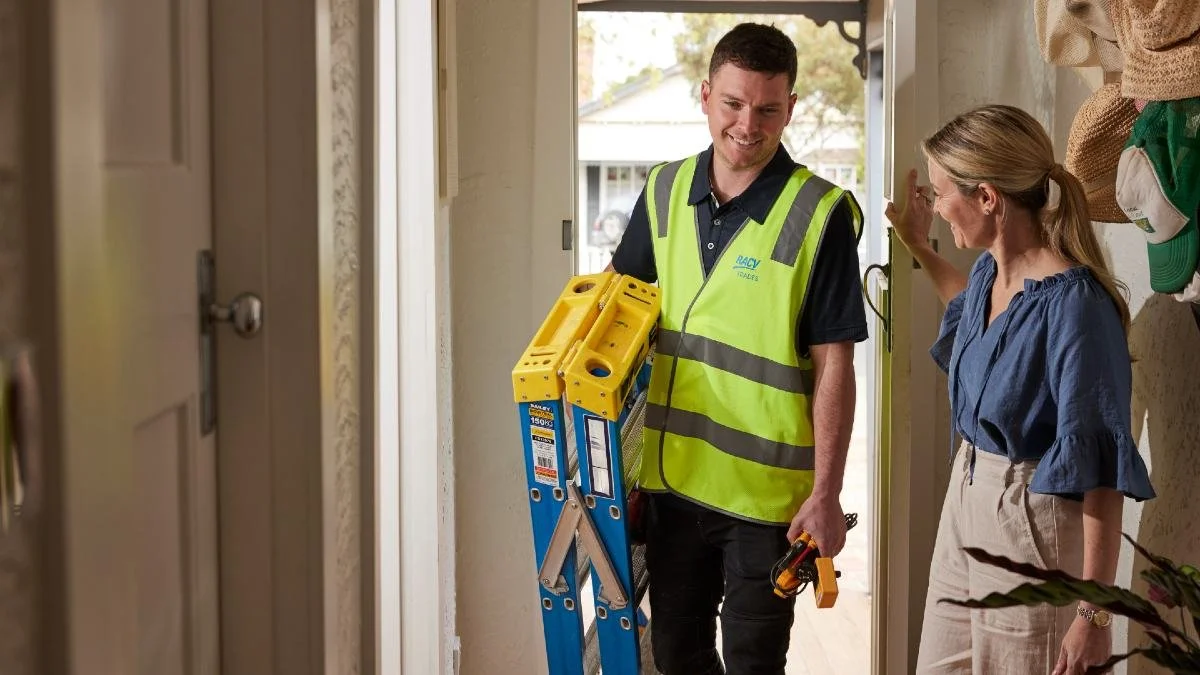
Tradie finance map, sub-contractor builder civil pathways, Switchboard Finance
 Tradie Hub
Tradie Map · Civil · Builder
The Tradie Finance Map for 2026: Sub-Contractor vs Builder vs Civil
A working map for Australian tradies in 2026. Three lanes, three different ways a file lands on a lender desk, and the structure choices that flow from each one.
Quick Answer
Tradie finance breaks into three practical lanes in 2026: sub-contractor, builder and civil. Each carries a different income shape and asset profile, which changes how asset finance structures land on file. The right starting point sits with the lane, not the product. Talk to a tradie broker to map yours.
Why split tradies into three lanes at all?
The honest answer is that "tradie finance" is not one product, it is a cluster, and lenders price and verify within that cluster differently depending on the type of trade business sitting on the file. Across actual files in the trade sector, the single biggest predictor of how cleanly a file moves is not deal size or even credit history, it is which lane the business actually operates in.
Sub-contractors, builders and civil contractors all carry an ABN, often hold the same trade ticket underneath, and frequently use overlapping assets. On a credit file, though, the income spine, the asset register and the cashflow rhythm read very differently. That is where structure choices start to diverge.
Mapping the three lanes is also how the rest of the cluster makes sense. The sub-$80K equipment finance angle covered in our sub-$80K equipment finance structures piece, the verification stack covered in our low-doc asset finance without tax returns piece, and the bundling discipline covered in our civil plant bundling piece all sit on top of this lane split.
The three lanes side by side
Here is how the three lanes typically read across the factors lenders weigh first. The descriptions are indicative and vary by lender, but the structural pattern holds across most files I see.
What this table is doing is showing where the lanes diverge, not who wins on rate. Rate is a downstream output of structure plus verification, and structure plus verification is set by the lane.
Where each lane lands cleanly
Each lane has a sweet spot, the type of file that lenders read quickly and price cleanly. Where this commonly lands is shown below in the lane card pair. The "sweet spot" side describes the file shape that moves cleanly. The "gets tricky" side describes where the same lane starts hitting friction.
Sweet Spot Per Lane
- Sub-contractor with 12+ months ABN active and clean bank statements
- Builder with consistent BAS and a known head contract pipeline
- Civil contractor with a defined plant portfolio and progress-payment history
- Asset purchase priced in the lane's typical band
- One structure decision at a time, sequenced
Where It Gets Tricky
- Sub-contractor pushing into builder-size deals without file depth
- Builder file with thin BAS or unsigned contracts
- Civil file mixing multiple new assets in one rushed application
- Lane misread as another lane on the cover page
- Stacked debt across personal and business without aggregation map
The pattern from the low-doc work in our verification stack piece is consistent here too. The cleaner the lane match, the lighter the verification can run.
How the map shapes packaging decisions
Once the lane is set, packaging decisions cascade from it. A sub-contractor adding a single trailer, a builder upgrading a fleet, and a civil contractor bundling plant all face different sequencing questions. The Tradie Loan Pack is built to absorb that variation rather than force one structure across all three lanes.
For tradies whose home loan plans are also live, the lane map matters even more. The way stacked asset debt reads against home-loan serviceability is covered in our stacked tradie asset debt piece. Builder and civil files in particular tend to need a coordinated read across business and home borrowing, not separate conversations.
Where to start, depending on your lane
If you are a sub-contractor, start with the income spine and the single-asset structure. If you are a builder, start with the BAS read and the portfolio sequencing. If you are civil, start with the plant register and progress-payment timing. The work-cover and licensing context published by SafeWork NSW for the construction industry is the operational backdrop most tradie files sit against, even when the finance question is purely commercial.
None of this is an apply-now path. It is a pre-application map. The point is to land on the right lane before the file is built, so the structure conversation happens once and not three times.
Lane decision matrix, what each side of the file looks like
Tradie finance in 2026 is a cluster, not a product. Three lanes, sub-contractor, builder and civil, each with a different income spine, asset profile and packaging rhythm. The lane sets the structure, the structure sets the verification, the verification sets the rate. Read in that order, files move cleanly. Read in reverse, files stall.
Key takeaway: Identify your lane before you choose the product, the structure conversation flows naturally from there.Frequently Asked Questions
The difference between sub-contractor, builder and civil tradies in finance terms comes down to how income, assets and risk read on a lender file. Sub-contractors usually present a clean asset finance income spine through bank statements and BAS, builders carry multi-job revenue with staff and materials cycles, and civil contractors run multi-asset plant under progress-payment cycles. Each lane lands differently on structure choice and verification depth.
Sub-contractor files typically have the most flexible asset finance options for sub-$80K deals because the income spine is cleaner and the asset list is shorter. Builder and civil files can still access strong structures, but the file depth required scales with deal size and asset count. The flexibility difference is mostly visible at the indicative lower end of equipment finance and narrows as deal size climbs.
Builders almost always need to be GST registered because their typical revenue band sits well above the GST threshold and lenders read BAS as part of the income spine. GST registration also affects how chattel mortgage interacts with input tax credits, which is a structure-side consideration rather than an eligibility hurdle in most files.
Civil in tradie finance refers to civil contractors running earthmoving, excavation, drainage, road and infrastructure plant rather than residential build work. Civil files usually carry larger plant items, longer working lives and progress-payment income cycles, which shifts how lenders read both the asset list and the income spine. The packaging detail is covered further in our civil plant bundling piece.
A sub-contractor can scale into a builder lane financially, but the file shape changes as the business grows. Lenders start reading staff costs, work-in-progress and multi-job revenue rather than a single ABN income line, and the asset list typically widens. Planning the low-doc structure ahead of that shift makes the transition cleaner.

 FBAA Accredited
