
Used vs New Ute & Van Finance for Tradies (2026)
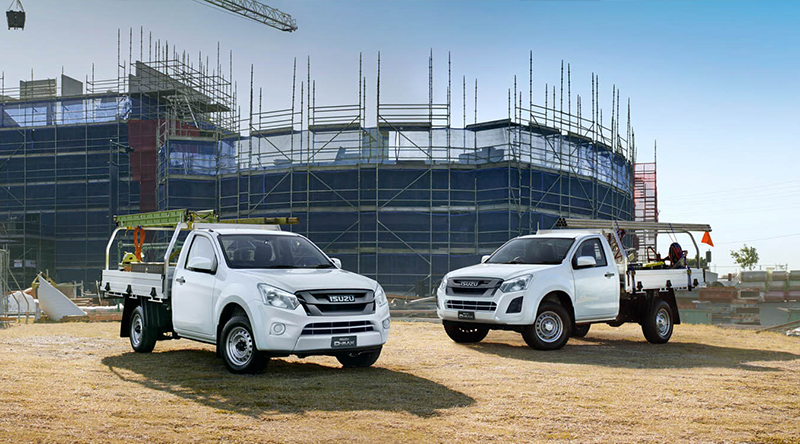
Side-by-side comparison of a new ute and a used van on a tradie work site — Switchboard Finance

Used vs New Ute & Van Finance for Tradies (2026): Age Rules, KM Caps & Valuation Haircuts That Change Your Deposit
A used ute or van looks cheaper on the sticker. But by the time the lender applies age limits, kilometre caps and a Depreciation-adjusted valuation, the deposit requirement on a used vehicle can quietly close the gap on what a new one would have cost upfront.
Start with the Tradie Hub if you need the full tradie finance lane. If the vehicle is the main funding need, the core money page is Low Doc Asset Finance. This post covers the approval differences between used and new tradie vehicles so you can pick the structure that actually lands cleaner.
New utes and vans usually approve at higher LVR with lower or no deposit. Used vehicles trigger valuation haircuts once age, kilometres or purchase source push the lender outside standard bands. The decision is not just price — it is total approval friction.
1) How lenders read used vs new tradie vehicles differently
A new vehicle from a dealer comes with a known retail value, manufacturer warranty and clean title. The lender can price it quickly and usually fund up to 100 per cent of the on-road cost without a deposit under a Chattel Mortgage or similar structure.
A used vehicle introduces uncertainty. The lender needs to confirm the market value independently, check whether the age and kilometres still fall within their acceptable bands, and assess whether the vehicle will hold enough value over the loan term to protect their position. That assessment is where deposits appear.
This is the same valuation logic explained in Ute Fitout Valuation Haircuts (2026), but here it applies to the base vehicle rather than the add-ons.
| Factor | New vehicle | Used vehicle |
|---|---|---|
| Valuation method | Dealer invoice at retail — straightforward | Independent market check — may come in below purchase price |
| Typical deposit | Often nil on strong ABN files | 5–20% depending on age, KMs and purchase source |
| Age limit | Not applicable | Most lenders cap at end-of-term age of 12–15 years |
| KM cap | Not applicable | Some lenders flag vehicles over 150,000–200,000 km |
| LVR | Up to 100% on-road in many cases | Often capped at 80–90% of independent valuation |
| Balloon flexibility | Full range usually available | Balloon may be restricted or unavailable on older stock |
2) The three triggers that force a deposit on a used ute or van
Not every used vehicle triggers a deposit. The friction usually comes from one of three places.
First, age. If the vehicle will be older than 12 to 15 years by the end of the loan term, most lenders either decline or require a meaningful deposit to bring the LVR down. A five-year loan on an eight-year-old ute pushes the end-of-term age to 13 — right at the boundary.
Second, kilometres. A vehicle with 180,000 km on the clock depreciates faster than one with 60,000 km, even if they are the same model and year. The lender adjusts the valuation accordingly, and the gap between purchase price and lender valuation becomes the deposit.
Third, purchase source. A Private Sale vehicle typically receives a harsher valuation than one purchased through a licensed dealer. The lender has less confidence in the price, and the PPSR check becomes even more critical to confirm clean title. The Australian Government PPSR registry should always be checked before committing to a private purchase.
An electrician found a 2019 HiLux with 140,000 km listed at $42,000 private sale. The lender valued it at $35,000, creating a $7,000 gap that became the minimum deposit. A similar spec 2024 model from a dealer at $58,000 approved at 100 per cent with no deposit. The monthly repayment was higher, but the upfront cash requirement was zero.
3) When used actually makes more sense
Used vehicles are not always the worse deal. They make sense when the vehicle is relatively young, low-kilometre, purchased from a dealer, and the purchase price sits close to market value. A two-year-old ex-demo with 20,000 km from a dealer often approves just as cleanly as new, at a meaningfully lower sticker price.
They also make sense when the tradie is in a Low Doc approval path and wants to keep the total finance amount lower to reduce servicing pressure. A smaller loan on a used vehicle can sometimes approve faster than a larger loan on a new one, especially if the ABN is younger or the recent Bank Statements show tighter cashflow.
If you are weighing up what to finance first, the sequencing logic in The Tradie Bundle Pre-Approval Plan (2026) helps frame whether the vehicle, tools or trailer should lead the stack.
4) Fitout impact on used vs new
If you are adding a tray, canopy, roof racks or on-board power to the vehicle, the fitout changes the approval read. On a new vehicle, the fitout is usually bundled into the same facility at full value. On a used vehicle, the lender may haircut the fitout harder because the base asset is already discounted.
That is the overlap with Factory-Fit vs Aftermarket Van Fitout Finance (2026). Factory-fitted options on a new vehicle are counted at face value. Aftermarket add-ons bolted to a used vehicle are often valued at a fraction of install cost.
5) The decision framework before you commit
- If the used vehicle is under 5 years old, under 100,000 km, from a dealer and priced near market — it usually approves cleanly
- If the used vehicle is over 7 years old, over 150,000 km or private sale — expect a deposit and tighter terms
- If you need to keep upfront cash at zero, a new vehicle on a chattel mortgage often works better despite the higher sticker
- If ABN age or cashflow is tight, a smaller used-vehicle loan can sometimes approve where a larger new-vehicle loan would not
- Always run a PPSR check on any used vehicle before signing anything
Used vs new is not just about sticker price. It is about what the lender actually values the vehicle at, what deposit that triggers, and whether the total structure fits your cashflow. Get the comparison right before you commit to a purchase.
Start with the Tradie Hub, anchor the vehicle deal to Low Doc Asset Finance, and talk to a broker before you sign a dealer quote or private sale agreement.
FAQs
Hubs first. Then the newest reads.
- Business Owners Finance HubCashflow facilities + SME pathways
- Tradie HubVehicles, tools, civil + low doc packs
- Truckie HubOwner-driver finance + compliance packs
- Whitecoat HubClinics, fitouts + specialist approvals
- Tradie Service-Van Eligibility Scorecard (2026)12 checks before you bundle shelving, racks, on-board power and tools
- Traffic Management & Site-Setup Finance (2026)What can be bundled vs what needs a pre-start cash buffer
- Ballarat & Western Victoria Tradie + Civil Finance Checklist (2026)Local proof pack for utes, minis, trailers and site-ready add-ons
- Factory-Fit vs Aftermarket Van Fitout Finance (2026)Which quote lines count, which get haircut, and which trigger a deposit
- Ute Fitout Finance Quote Checklist (2026)What to itemise so it doesn't trigger re-quotes
- Ute Fitout Finance Approval Traps (2026)Seven traps that slow approvals (and how to avoid them)
- Performance Bonds & Bank Guarantees (2026)The approval rules civil contractors trip over
- South East Melbourne Tradie + Civil Plant Finance Checklist (2026)VIC proof pack for faster low doc approvals

 Accredited Member
Newest tradie guides
Accredited Member
Newest tradie guides
Newest in the Tradie Hub
Four fresh, lender-practical reads for tradies — designed to cut back-and-forth and keep approvals moving.
How Existing Ute and Equipment Debt Affects Your One Doc Home Loan Servicing (2026)
Every chattel mortgage and HP repayment reduces your borrowing power — here's how the servicing math works.
Used Ute Finance for Tradies (2026): Age Limits, KM Caps and What Lenders Actually Approve
Used vehicles get different terms — age-at-end-of-term rules, valuation haircuts and deposit triggers explained.
How Retention Holdbacks Create a Cashflow Gap for Tradies (2026)
When the money is earned but not banked — how LOC and working capital bridge the retention gap.
Brisbane & Gold Coast Tradie Finance Checklist (2026)
The local proof pack for utes, plant and equipment approvals in South-East Queensland.
