
Trencher & Directional Drilling Finance (2026): Low Doc Options for Utility & Civil Contractors
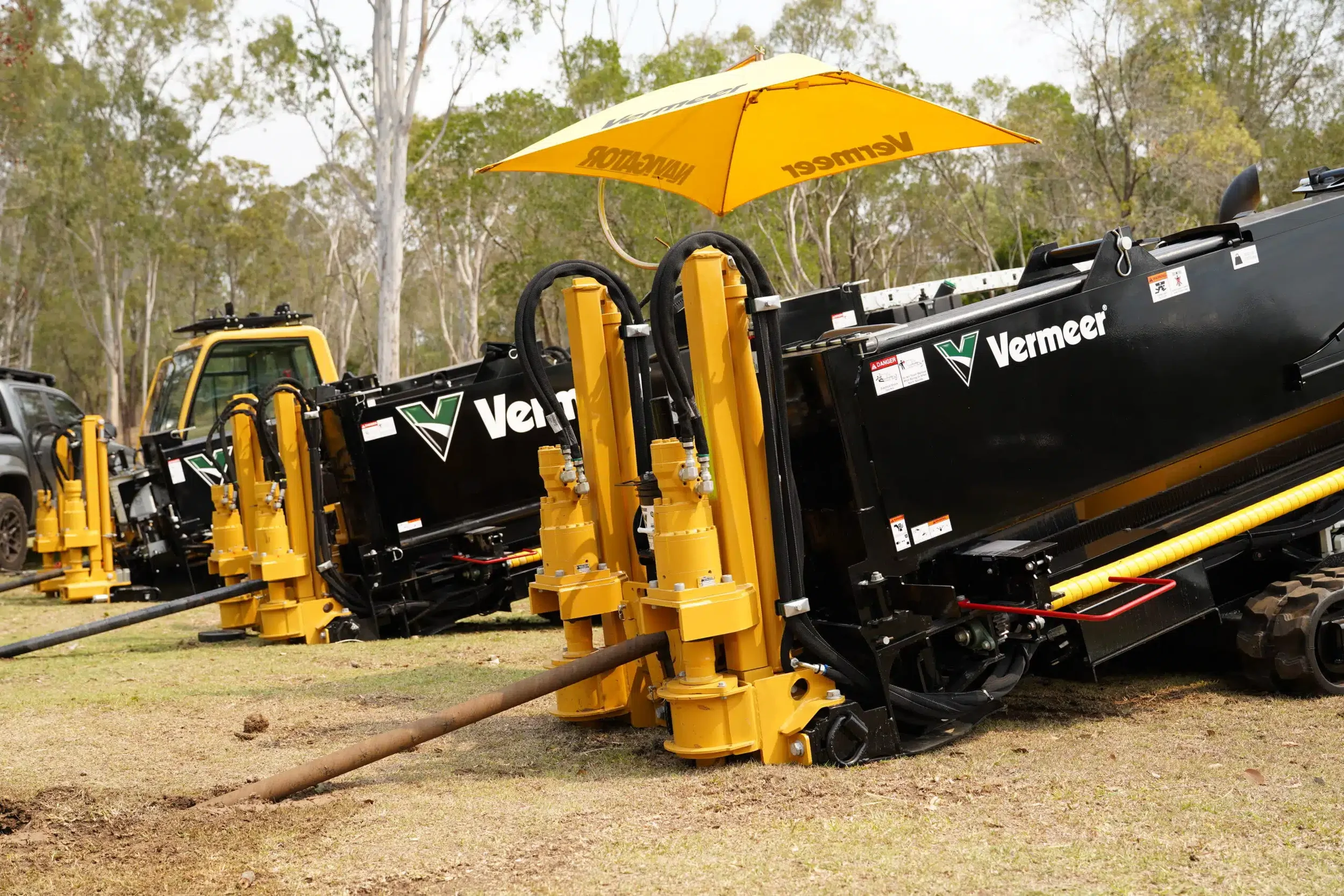
Trencher & Directional Drilling Finance for utility and civil contractors – Switchboard Finance
 🛠️ Utility & Civil · Trencher + HDD · Tradie Hub · 2026
Trenchers and HDD rigs are “specialist” because approvals depend on the job reality — site access, wet weather delays, and when the next package actually starts. That’s why your Cashflow story matters as much as the rate.
Start with one anchor: the Asset Type (trencher, HDD unit, mud system, trailers, attachments) and how long you plan to keep it before a refresh. Then build the file around that plan.
1) Fast approval checklist (what stops settlements)
For trenchers and drilling rigs, “fast” usually means “clean”: serials/hours, a clear seller trail, and repayments sized to normal weeks (not peak weeks).
On used gear, clear encumbrances early with a PPSR Check before anyone books transport. Official register: ppsr.gov.au.
- Specs: make/model + hours + serials + photos + attachment list.
- Seller trail: payout instructions match the invoice and seller ID.
- Invoice hygiene: keep paperwork tight with a Dealer Invoice when possible.
2) Choose structure based on “keep vs rotate”
If the rig is a core earner you want to own and upgrade on your timing, pick a structure that supports ownership. If the plan is a predictable refresh cycle, choose a structure that matches the replacement date.
If you want the bigger view on sequencing vehicles + tools + machines, use this baseline map: Tradie Finance Australia.
| Decision | Best fit | What lenders like | Easy mistake |
|---|---|---|---|
| Keep + own | Core rig you’ll keep through multiple packages | Repayments that still work in slow weeks | Stretching term past the rig’s earning window |
| Rotate + refresh | Planned upgrade every 2–4 years | A clear “replace on X date” plan | Choosing “cheap weekly” with no exit plan |
| Mixed fleet | Rig + trailer + support gear under one plan | Simple asset list and clean settlement path | Adding items mid-file (causes rework) |
3) Low-doc pack: stop the “ping-pong” with used gear
Most delays aren’t credit — they’re missing details, unclear payout instructions, or a purchase trail that doesn’t line up. Keep the file simple and consistent.
If you’re buying privately, treat it like a Private Sale settlement from day one: one seller, one payout path, clean paperwork. For the right lane, start here: Low Doc Asset Finance.
- Asset pack: serials/hours + photos + attachment list.
- Paper trail: invoice/bill of sale + consistent seller name + consistent bank details.
- Timing: lock pickup/transport only after settlement path is confirmed.
Trencher and HDD finance is won on clarity: clean specs, clean settlement, and a structure that matches how long the rig will actually earn.
Next move: start with the Tradie Loan Pack and pick your buffer (if needed) with Business Line of Credit, Working Capital Loans, or Invoice Finance. Reference guides: 11 Signs You’re Ready for Asset Finance and Equipment Finance Application Mistakes.
FAQ
In most cases, yes — lenders mainly want clear asset details and stable evidence of capacity, often supported by Bank Statements.
It usually tightens with age/condition and resale comfort. The file moves faster when your request matches lender Approval Criteria from day one.
It can — but only if the end amount lines up with realistic resale expectations and the asset’s Residual Value.
A sensible term matches the machine’s real earning window and upgrade plan. The clean anchor is the asset’s Useful Life.
Often, yes — especially for specialist assets or newer trading files. Clean evidence such as Bank Verification can reduce conditions and keep approvals straightforward.
