
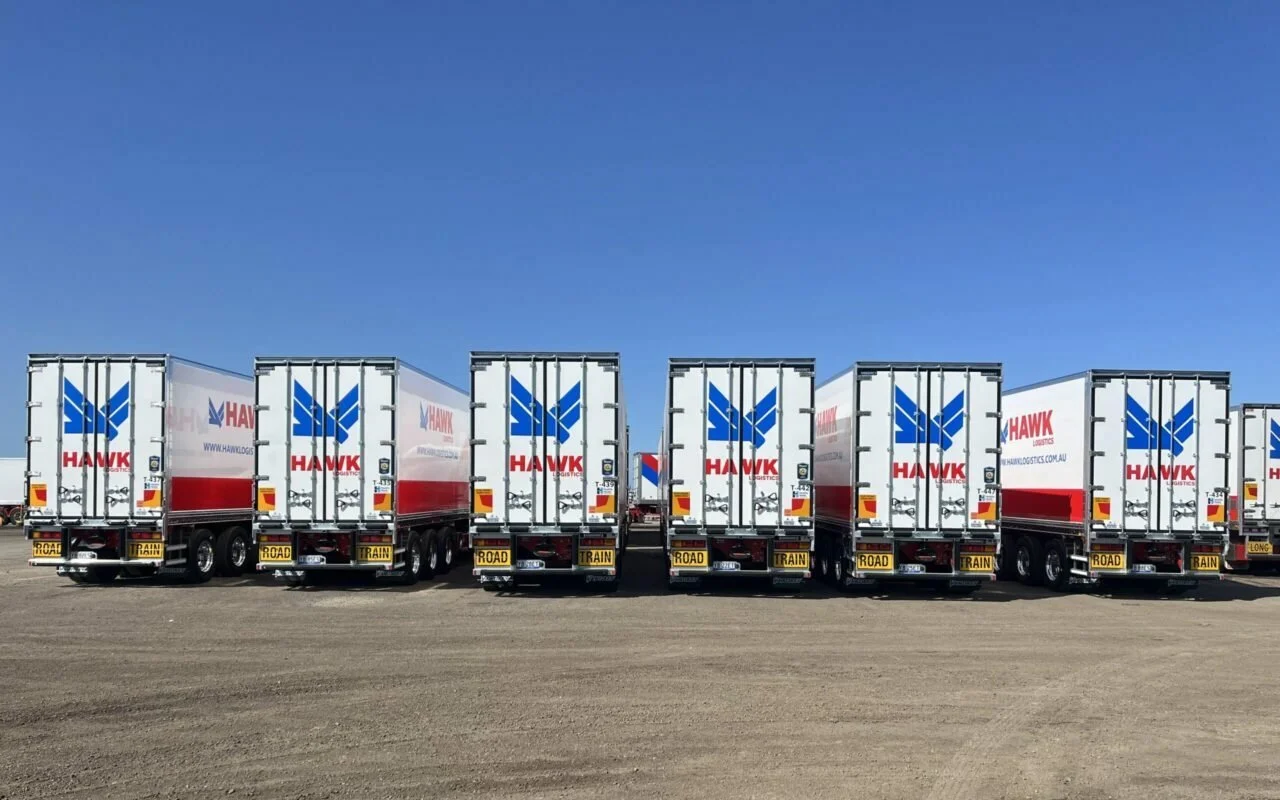
Truck Before a One Doc Home Loan? | Switchboard Finance
 Truckie Hub
One Doc Home Loan · Serviceability · Sequencing
Truck First or Home First? One Doc Home Loan Timing
Two roads sit in front of a lot of owner-drivers right now: buy the truck first, or apply for the home first. The order you choose changes how a lender reads your borrowing power, so it pays to map the sequence before you commit to either.
Quick Answer
Whether you buy the truck first or apply for a One Doc home loan first comes down to order of operations. A new chattel commitment changes how a lender reads your borrowing power, so most owner-drivers map the sequence before they sign anything.
Two Roads: Truck First or Home First
The truck first or home first question is really a question about order of operations, not about which asset matters more. Both a truck and a home are large commitments, and a lender looks at them through the same lens: can your income carry the repayments alongside everything else you already owe. Decide the sequence early and you keep both deals open.
For an owner-driver, the wrinkle is that a One Doc home loan is assessed on a single income document rather than several years of full financials. That keeps the home application clean and fast, but it also means a fresh liability lands with full weight, because there is no long averaging history to soften it. A new chattel mortgage on a truck is exactly that kind of fresh liability.
So the real choice is not truck versus home. It is whether you settle the home while your commitments are light, or take on the truck first and present the home application with that repayment already on the books.
How a New Chattel Commitment Reads on Borrowing Power
A new chattel commitment reduces borrowing power because the lender counts its monthly repayment against your income when it sizes the home loan. When a broker maps a One Doc file before it goes to a lender, the truck repayment is one of the first commitments that gets weighed, and it directly lowers the loan amount the same income can support.
The structure you set on the truck is what controls the size of that hit. A larger balloon or a longer term lowers the monthly repayment and softens the effect on serviceability, while a short term with no balloon maximises the monthly figure and eats more borrowing power. None of this is a reason to avoid financing the truck, it is a reason to structure it with the home loan in mind. Lenders generally cap a One Doc home loan at around an 80% LVR ceiling, illustrative and varies by lender, so there is limited room to absorb a surprise.
Where home first is the stronger fit
- You have a property goal locked in within months
- Your current commitments are light and your income document is strong
- The truck can wait, or can be financed after the home settles
- You want the largest possible home loan the income supports
Where truck first gets tricky
- A big new repayment lands just before the home assessment
- A short term with no balloon pushes the monthly figure high
- The truck deal and the home deal are timed days apart
- You assumed the chattel debt would not be counted
Order of Operations: Sequencing the Two Applications
Sequencing the two applications well starts with naming which purchase is time sensitive and which can flex. From there, the order falls out of a short sequence rather than a guess.
- Name the time sensitive purchaseIf the home is the priority, it usually goes first while commitments are light. If the truck has to come first because it earns the income, it leads, and the home loan is structured around it.
- Map both commitments on one income documentA broker runs the truck repayment and the proposed home repayment against the same declared income before either application goes to a lender.
- Settle the lead application on a clean positionHome first: settle the home loan, then finance the truck against the freshly settled position. Truck first: structure the chattel commitment so the home loan still services later.
- Disclose the second commitment inside the sequenceWhat an underwriter weighs when two large applications land close together is timing and disclosure. A truck financed and settled the week before a home application reads very differently from one planned and disclosed inside a clear sequence.
Where the 2026 Budget Changes the Timing
The 2026 Budget eases the timing pressure rather than adding to it. The instant asset write-off is set to become permanent for eligible small businesses from 1 July 2026 per Budget 2026-27, which removes the old buy-it-or-lose-it rush before 30 June. For an owner-driver that means the truck purchase no longer has to race a deadline, so you can let the home loan sequence lead.
That said, the write-off measure is announced and not yet law, so treat the tax side as a planning input and confirm with your accountant before you act on it. The point for sequencing is simple: with less calendar pressure on the truck, you have room to put the home loan first if that is the priority, and to structure the truck around it. Our guide on the One Doc home loan after the May 2026 Budget covers the wider picture, and the Truckie Hub and Truckie Loan Pack map the full finance stack.
Truck first or home first is a sequencing decision, not a contest between two assets. A new chattel commitment lowers the borrowing power a single income document can support, so the cleanest path for most owner-drivers with a near-term property goal is to settle the home while commitments are light, then structure the truck around it. With the instant asset write-off set to become permanent, the calendar pressure on the truck eases and the order of operations can lead.
Key takeaway: Decide which purchase is time sensitive, then map both commitments on one income document before either deal goes to a lender.Frequently Asked Questions
Buying a truck before a home loan can reduce your borrowing power, because a new chattel mortgage adds a monthly repayment that a lender counts against your income when it assesses a One Doc home loan. The size of the effect depends on the repayment, the balloon you choose and how your income reads on a single income document. Mapping the order of operations with a broker before you sign keeps both deals open.
An owner-driver deciding whether to apply for a One Doc home loan before or after financing a truck should weigh which purchase is time sensitive. If the home is the priority, settling it first protects the borrowing power that a fresh truck repayment would otherwise consume. If the truck is needed to earn, structuring it carefully first can still work, and a broker can model both paths against the same single income document.
A One Doc home loan is a low documentation home loan for self-employed borrowers who are assessed on a single income document rather than several years of full financials. It suits owner-drivers whose tax returns lag their current trading or who have recently changed their structure. You can read the full definition in our glossary entry for a One Doc home loan.
A truck chattel mortgage does show up when a lender assesses your home loan, because it is a recorded liability with a monthly repayment that counts toward your commitments. The balloon and term you set at origination shape that repayment, which is why the structure matters before you take on a home loan. A larger deposit or a longer term can ease the monthly figure, illustrative and varies by lender.
The 2026 Budget write-off changes ease the timing pressure on buying the truck, because the instant asset write-off is set to become permanent for eligible small businesses from 1 July 2026 per Budget 2026-27, which removes the old buy-it-or-lose-it rush. That gives owner-drivers room to sequence calmly around a home loan rather than racing a deadline. Our guide on the One Doc home loan after the May 2026 Budget covers the wider context.

 FBAA Accredited
