
Truckie Working Capital: Sizing a Line of Credit for Fuel & Repairs
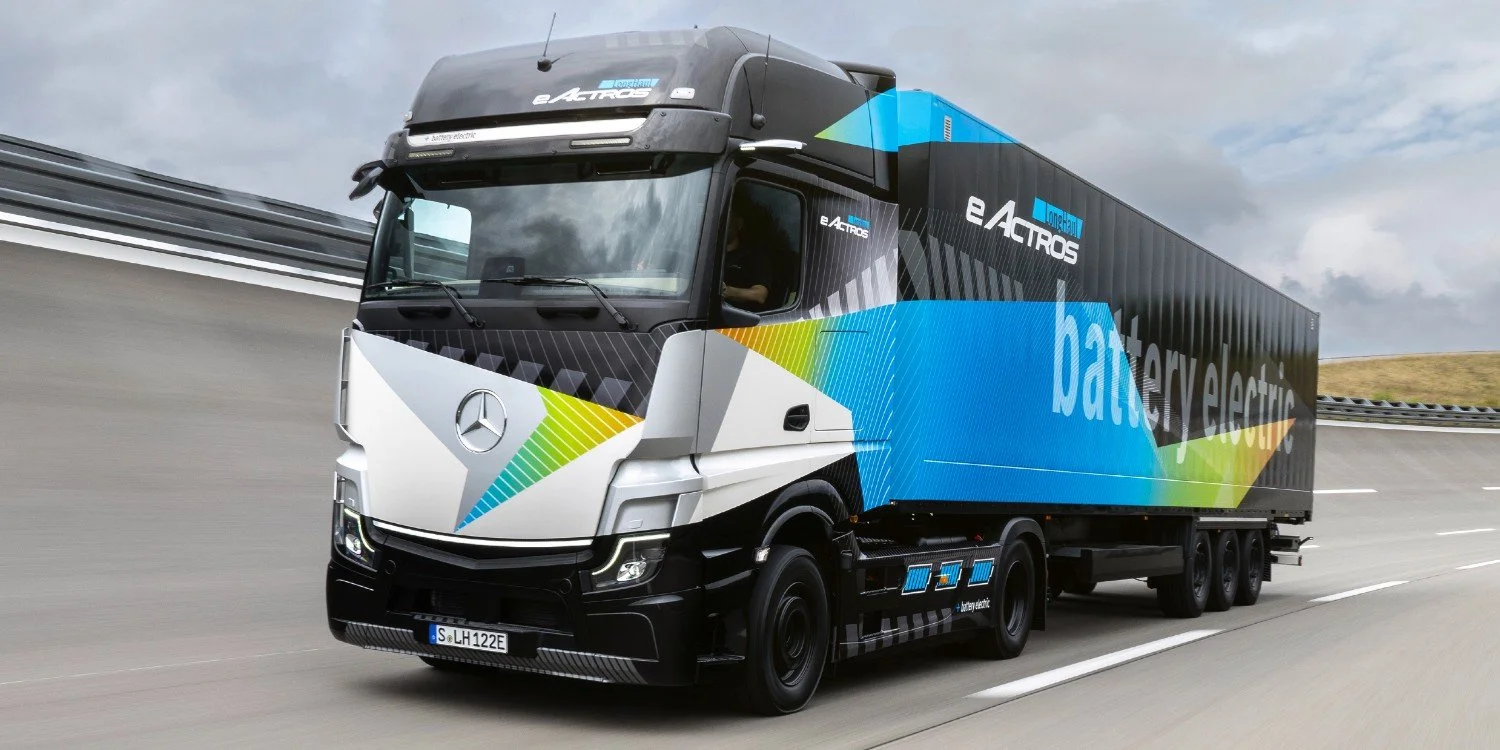
Truckie working capital line of credit sizing for fuel and repairs – Switchboard Finance
 Truckie Hub
Working Capital · Line of Credit · Fuel Burn · Pay-Cycle Gap
Truckie Working Capital: Sizing a Line of Credit for Fuel & Repairs
Most owner-drivers ask for a round number — $50k, $80k, $100k. Lenders don't size it that way. They size a working capital line of credit off your fuel burn, your pay cycle, and the gap between them. Here's the formula, recalibrated for the April 2026 fuel excise cut and the current 4.10% cash rate.
Quick Answer
A truckie working capital line of credit is sized to cover the gap between when fuel and repairs leave your account and when the linehaul invoice settles. The lender's working starting point is roughly the weeks-to-pay multiplied by weekly fuel burn, plus a separate repairs reserve. Bigger gap, bigger limit. Cleaner conduct, better pricing.
The 45-Day Gap Most Owner-Drivers Don't Cost Properly
Picture an owner-driver running a single prime mover on a regional linehaul contract. Fuel costs land on the card every Sunday night. Repairs hit unannounced — a tyre on Tuesday, a turbo in three weeks. The principal pays on a 30-day cycle, sometimes 45 if the invoice queue is busy. So money goes out every week, money comes in every six. The gap between those two timelines is what a working capital business loan or line of credit is for — and it is the only number that should be driving the limit.
Most owner-drivers don't cost the gap properly. They look at the bank balance on a Friday, see it's tight, and ask their broker for "around $80k." The lender then has to back-fit the request into a sizing formula that works the other way around. The formula starts with the gap, multiplies it out, adds a repairs reserve, then lands on a limit. If the limit the formula produces is lower than the round number you asked for, the file gets cut down to fit. If it's higher, you've under-asked and left headroom on the table.
The April 2026 fuel excise cut from 52.6c to 20.6c per litre has shifted this calculation in your favour. On a 200-litre-a-week burn, that's roughly $3,370 a year that no longer needs to sit inside the LOC limit. With the RBA cash rate at 4.10% and the next decision on 5 May, the cost of holding that headroom isn't trivial. Sizing the line of credit tighter to the actual gap — not to the old fuel-bill memory — is now a measurable cashflow win.
The Sizing Formula: Pay-Cycle Gap × Weekly Burn + Repairs Reserve
The formula non-bank working capital lenders apply to an owner-driver file is short. It is not on any product page because the multiples shift, but the structure is consistent. Two inputs do almost all of the work: how many weeks pass between fuel leaving the account and revenue landing, and how much fuel is leaving each week. A separate reserve covers the unannounced repair line.
Indicative LOC Sizing Shape
LOC limit ≈ (weeks-to-pay × weekly fuel burn) + repairs reserve
Repairs reserve is typically a rolling 90-day average of unscheduled maintenance plus one major component (turbo, gearbox, drive tyres). Illustrative shape only — multiples and reserves vary by lender, file shape, and policy at time of application.
The reason this shape produces a defensible number is that every input is verifiable from bank statements. The lender does not need to take your word for the fuel burn — the fuel-card debits or the diesel-station outflows reconcile inside one statement period. The pay cycle is visible from the linehaul deposits. The repairs line shows up as the irregular spike pattern between the regular fuel transactions. It is a file that writes itself, provided the conduct on the trading account is clean and the BAS matches the deposits. The lender opens the file, runs the shape, and the limit lands inside 20 minutes.
Where it gets uncomfortable is when the principal stretches payment terms beyond the historical norm, or when fuel burn is climbing without the rate-per-kilometre rising to match. Both situations widen the gap, which mechanically lifts the limit the formula produces — but the lender will discount the result if the underlying business looks like it is absorbing margin compression rather than scaling. That discount is the part that surprises operators who model the limit themselves and come back disappointed by the approved figure.
A Worked Example: Single Prime Mover, Regional Linehaul
Run the formula on a representative owner-driver file. Single prime mover. Regional linehaul work. Roughly 1,800 litres of diesel a week at the post-excise effective price. A 30-day pay cycle that drifts to 35 in practice. A repairs line that has averaged $1,400 a month over the last quarter, with a turbo replacement at the back of the historical mind. The numbers below are illustrative only — actual lender output depends on the file as a whole — but they show the shape clearly.
That number — around $25k — is the working size for the LOC, not necessarily the approved limit. Lenders typically approve a buffer above the working size so the line is not running at 100% utilisation every week. A common shape is to approve roughly 1.5× to 2× the working size, giving the operator headroom for a slower-paying month or a back-to-back repairs cluster. So a $25k working size on this file would commonly produce an approved limit somewhere in the $40k–$50k range, scaled by the rest of the file (BAS conduct, existing servicing, credit history). For owner-drivers in regional or remote work where pay cycles are longer and repairs are less predictable, the livestock transport finance guide shows how the same shape stretches when the gap is closer to 7-8 weeks instead of 5.
The Sweet Spot for an Owner-Driver Working Capital LOC
Across owner-driver files we've placed in the last two quarters, there is a recognisable sweet spot — a combination of operator profile, contract shape, and conduct that produces both a clean approval and a useable, well-priced limit. Files that sit inside this sweet spot tend to be sized at the upper end of the formula, get the more competitive non-bank pricing, and avoid the 6-month review condition that often gets attached to thinner files.
Where a Truckie LOC File Sits in the Sweet Spot
- 2+ years ABN trading with consistent linehaul or freight income visible on the bank statements
- One principal or two stable principals, not a rotating cast of one-off jobs (lenders read concentration risk both ways — too narrow and too scattered are both flagged)
- Fuel-card or single-station fuel pattern that reconciles cleanly to weekly distance / job logs
- Pay-cycle visible on statements (every 30 or 45 days, not erratic) so the gap calculation isn't a guess
- BAS lodged on time, last 4 quarters present, no silent ATO arrears
- Existing equipment finance serviced cleanly — chattel mortgage on the prime mover, no recent late fees
- Drawings routed through a separate personal account, not emptying the trading account every Friday
Files outside the sweet spot still get approved — they just get sized down or get a 6-month review condition attached. The most common reason a truckie file lands below the sweet spot is one of two things: the principal pays inconsistently (sometimes 14 days, sometimes 60), which makes the gap calculation unreliable; or the operator has stacked short-term lender debt already eating the trading account, which crowds out the new LOC repayment in the DSCR calculation. Both are fixable before applying. The Perth truck finance checklist covers the documentation tidy-up that moves a file from "outside" to "inside" the sweet spot.
Why the 4.10% Cash Rate Matters for an Undrawn LOC
An LOC limit that you don't fully draw still has a cost. Most non-bank working capital lines charge a small line fee on the approved limit, plus interest only on the drawn portion. With the RBA cash rate at 4.10% and the next monetary policy decision scheduled for 5 May, the wholesale cost of credit underneath those rates has firmed up. Lenders aren't passing the full move through immediately, but the direction is clear and the spread is wider than it was twelve months ago.
Practical implication for an owner-driver: there is a real cost to oversizing the LOC. A $100k limit when the actual cashflow gap only needs $50k means you're paying line fees on an extra $50k of headroom you never use. With the fuel excise cut now removing a structural slice of weekly burn, many existing lines that were set in 2024 or 2025 are now oversized. Reviewing the limit downward at renewal — or when shifting lenders — is a cleaner decision in the current rate environment than it was when wholesale rates were lower.
The opposite mistake is undersizing to dodge the line fee, then drawing 95% of the limit every month and tripping utilisation flags that affect future credit. The right answer is to size the LOC to the actual gap, with a measured buffer, then revisit the limit every 12 months or whenever the contract terms or burn pattern changes materially. If you're not sure where your file sits, check eligibility takes 10 minutes against your last 3 months of statements and gives you a directional read on what a current-cycle lender would size to.
For the rest of the truckie cashflow stack — equipment finance, chattel mortgage, and the One Doc home loan pathway sitting alongside the LOC — the truckie finance hub has the full map.
An owner-driver working capital line of credit isn't a round number — it's the pay-cycle gap multiplied by weekly fuel burn, plus a verifiable repairs reserve. The April 2026 fuel excise cut has reduced the burn input. The 4.10% cash rate has raised the cost of carrying headroom you don't use. Size the line to the actual gap, with a measured buffer, and revisit it whenever the contract terms or fuel burn shift materially.
Key takeaway: The lender sizes the limit off the gap, not the request. Bring the gap to the application instead of bringing a number, and the file lands cleaner and prices better.Frequently Asked Questions
A single-truck owner-driver needs working capital sized to the pay-cycle gap multiplied by weekly fuel burn, plus a separate repairs reserve. For a representative regional linehaul file with around $3,400 weekly fuel burn and a 5-week pay-cycle gap, the working size lands near $25k — and the approved line of credit limit is typically 1.5× to 2× that working size to leave usable headroom. Round-number requests like "$80k" almost never match the formula output for a single-truck operator unless the pay cycle has stretched well past 5 weeks.
The April 2026 fuel excise cut from 52.6c/L to 20.6c/L reduces the weekly fuel burn input in the LOC sizing formula, which lowers the working size the formula produces. For an owner-driver burning around 200 litres a week, that's roughly $3,370 a year of fuel cost that no longer needs to sit inside the LOC headroom. Existing lines set in 2024 or 2025 against the higher excise are likely now oversized — the business loans renewal conversation is the right time to right-size the limit. Files set after April 2026 will be sized off the new fuel input from the start.
A line of credit is a revolving facility with a set limit you draw against and repay as cashflow allows. A working capital loan is typically a fixed-term advance with a defined repayment schedule. For an owner-driver covering pay-cycle gaps and unscheduled repairs, the LOC structure usually fits better because the funding need is intermittent — the line sits at zero between repair events and gets drawn for fuel when the principal is slow to pay. The fixed-term loan suits one-off needs like a deposit or a registration cycle. Both are sized off similar inputs but the repayment shape differs.
Working capital lines are available to owner-drivers with less than 2 years ABN trading, but the file shape and lender shortlist narrow. Most non-bank working capital lenders prefer 12-24 months minimum trading visible on bank statements; under 12 months typically requires a credit-strong personal position or asset backing to substitute for the trading history. The sizing formula still applies — the gap × burn + reserve shape doesn't change — but the multiple a lender will apply against the working size will be tighter, and pricing will sit higher. The second truck approval limits guide covers a related under-2-year sizing question for operators expanding the fleet.
An existing chattel mortgage on the prime mover doesn't reduce the LOC sizing formula directly — the gap × burn calculation is unchanged — but it sits inside the DSCR calculation that the lender runs alongside the formula. The proposed LOC repayment plus the existing chattel mortgage repayment together must leave enough net cashflow to clear the lender's DSCR threshold. A clean-conduct chattel mortgage on a single prime mover is usually well-absorbed and doesn't constrain the LOC. Stacked chattel mortgages on multiple assets can crowd the calculation and scale the LOC limit down. The chattel mortgage page covers the asset-side structuring.

 FBAA Accredited
