
Used Ute Finance for Tradies (2026)
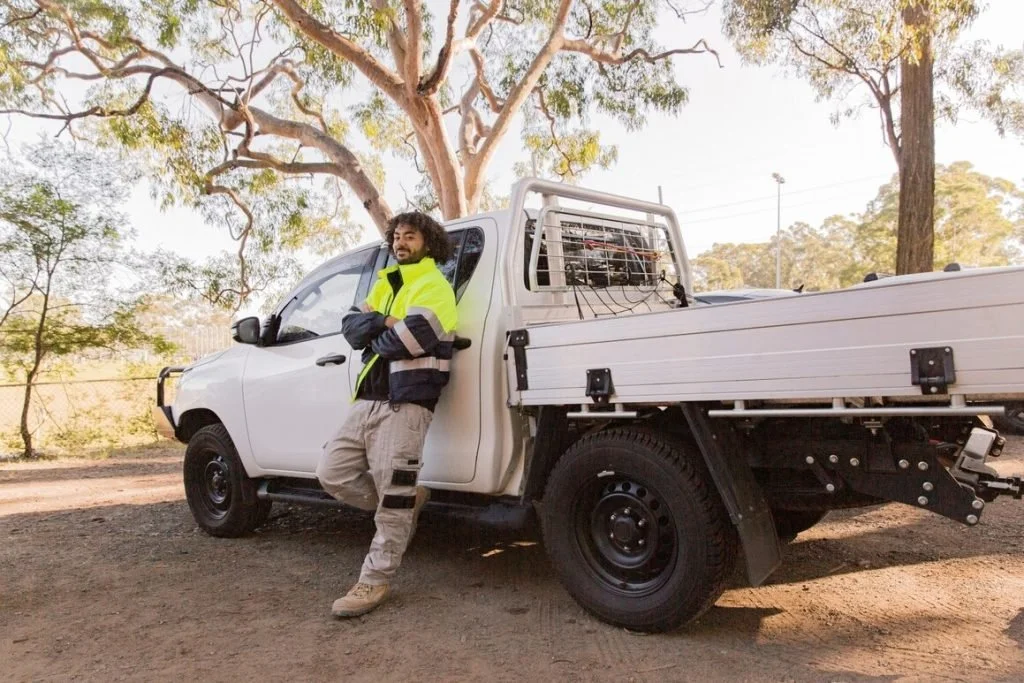
Used ute finance approval guide for tradies – Switchboard Finance
 Insights
Tradie Hub
Insights
Tradie Hub
Used Ute Finance for Tradies: Age Limits, KM Caps and What Lenders Actually Approve
How Lenders Read Used Utes Differently to New
Used vehicles carry different risk factors than new ones, so lenders apply stricter lending criteria. A new ute leaves the dealership with a warranty, full service history and known depreciation curve. A used ute has a past — previous ownership, service gaps, unknown abuse, and unpredictable value decline.
The gap between purchase price and lender valuation is wider on used vehicles, which forces tradies to either increase their deposit or accept a shorter term. Age and kilometres also lock in tighter acceptance rules.
| Dimension | New Ute | Used Ute |
|---|---|---|
| Age at end of term | Commonly no upper limit (often 10–12 years) | Many lenders cap at 8–10 years at maturity |
| Kilometre cap | Usually 200,000+ KM at end of term | Commonly 150,000–180,000 KM at maturity |
| Deposit | Often 10–15% of purchase price | Typically 15–25% (lender valuation gap) |
| Loan term | Up to 7 years common | Often 5–6 years, varies by provider |
| Rate loading | Base rates apply | Commonly 0.5–2% above new-vehicle rates |
| Valuation method | NADA/Redbook + warranty | Redbook, PPSR, age, KM, service history blend |
The comparison above reflects common lender practice, but varies by provider and individual approval. For more low doc paths to vehicle finance, see the low doc vehicle finance guide.
The Age-at-End-of-Term Rule That Catches Tradies Out
Most lenders don't just look at the vehicle age today. They calculate the age at the end of your loan term — the vehicle's age on the final payment date. This is the rule that blindsides many tradies. You might buy a 2019 ute today on a 6-year loan, only to find the lender won't approve it because it will be 11 years old at term end, exceeding their cap.
Cleaner File
- Vehicle under lender age threshold at end of term
- One previous owner
- Full logbook service history
- PPSR clear (no encumbrance)
Messier File
- Vehicle close to or over age threshold at maturity
- High KMs relative to age
- No logbook, patchy service history
- Outstanding finance or encumbrance on PPSR
Run a free PPSR check on any used ute before committing to purchase. This search reveals whether the vehicle carries outstanding finance or other security interests. A logbook (service history) can push you from messier to cleaner in lender eyes.
Deposit Triggers and Valuation Haircuts on Used Vehicles
Lenders don't necessarily agree with the dealer or private seller on what the ute is worth. They order their own valuation (or reference Redbook), which is often lower than the purchase price. The gap between purchase price and lender valuation is called a haircut — and it becomes your deposit problem.
Before you commit to a used ute purchase, talk to a broker about where the valuation will land. A pre-approval valuation takes the guesswork out. You'll also want to review fitout costs separately — see ute fitout valuation haircuts and tradie ute payload, tow-ball and fitout finance for detail.
The Pre-Purchase Checklist for Used Ute Finance
Before you sign a purchase order on a used ute, run these eight checks. They reduce the chance of a lender surprise and keep your deal on track.
| Check | Why It Matters |
|---|---|
| PPSR search | Confirms no outstanding finance or security interests on the vehicle. Free at ppsr.gov.au. |
| Service history | Full logbook signals regular maintenance and reduces valuation haircuts. Patches are red flags. |
| Age at end of term | Calculate the ute's age on your loan maturity date and confirm it sits within lender caps. |
| Kilometre threshold | Project likely KMs at loan end (current KM + annual kms). Most lenders cap 150k–180k at maturity. |
| Dealer vs private | Dealer utes often carry warranty and clearer title; private sales may mean tighter inspection and valuation scrutiny. |
| GST status | If the seller is GST-registered and the ute is used in their business, GST may apply to the purchase price. |
| Pre-approval | Get a pre-approval (with or without the specific ute) so you know your actual borrowing range and valuation gap before you shop. |
| Insurance quote | Call your insurer for a quote on the exact make, model, year and value before purchase. Surprises on premium can break the deal. |
Once your used ute passes these checks, you're in a strong position to approach low doc asset finance lenders. If your file is cleaner, you'll also find tradie finance day zero submission bundle guidance helpful for pulling documents together.
Frequently Asked Questions
Yes. Low doc asset finance for tradies often works on BAS statements and ABN history alone, without tax returns. A chattel mortgage (the legal structure for used ute finance) is less stringent on income proof than a home loan. You'll need clean BAS history, an active ABN and a reasonable deposit.
Lenders typically decline the application if the vehicle exceeds their age-at-maturity cap. In rare cases, a lender may approve with a balloon payment (a larger lump sum at the end) to shorten the loan term, but this is not common. Your best path is to shorten the loan term or select a newer ute.
Private sales can be harder because there's no dealership warranty and the lender has less assurance of the vehicle's condition. Valuation haircuts tend to be larger on private sales. A full PPSR search and clear service history help reduce lender risk on private sales, but dealer utes are often quicker to approve.
Lenders typically don't count aftermarket fitout or modifications in their valuation. A used ute with a tray, toolbox or canopy may cost more to buy, but the lender values the base vehicle only. If you want to finance the fitout, you'll often need a separate chattel mortgage or added-value structure — discuss this upfront with your broker.
Yes, but with limits. Many lenders will bundle a ute, trailer and portable tools in one chattel mortgage if the combined value fits their lending criteria and you have the deposit. A caravan or major fitout may require a separate facility. See the tradie bundle pre-approval plan for structured guidance on stacking equipment and vehicle debt.

 FBAA
FBAA
