
Ventilation & Extraction Upgrade Ladder (2025)
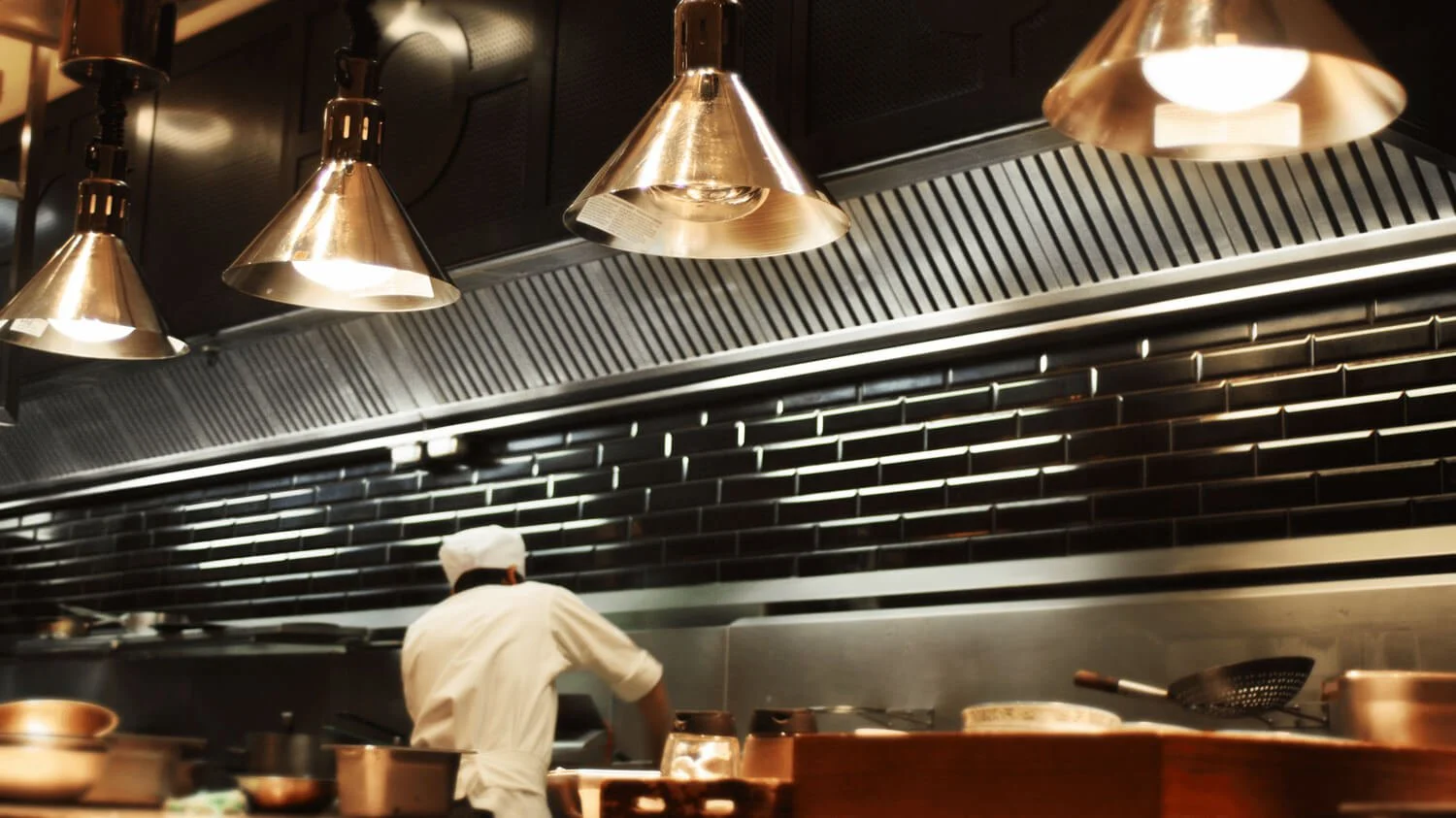
Ventilation & extraction upgrade ladder for café fitout – Switchboard Finance
 ☕ Café · ventilation & fitout ladder · Café & Hospitality Finance Hub · Business Owners Finance Hub · 2025
Searching for a café ventilation and extraction upgrade in 2025 and not sure what to fix first — rangehood, ducting, or grease trap? This ladder shows the usual order that reduces downtime and keeps kitchen upgrades “approval-friendly”.
If you’re funding this on Low Doc terms, the clean story is simple: it’s for a trading ABN, supported by tidy Bank Statements.
And if you’re stuck in the café dilemma of “upgrade vs buffer”, read this first: Cash Flow vs Growth: the café owner’s balancing act.
- You’re losing time (and margin) because the kitchen runs hot, smoky, or smells linger.
- Cleaning time is creeping up and your Cashflow takes random hits from breakdowns or urgent call-outs.
- You’re upgrading equipment and the extraction can’t keep up (so the fitout becomes the bottleneck).
The ladder (what most cafés do first)
Most cafés don’t need “everything” first — they need the first upgrade that removes the bottleneck. Start with capture, then movement, then containment so you’re not paying twice for rework.
If this is part of a bigger refit, anchor it to the fitout plan so the scope reads like one job (not random spend). This relates closely to Café fitout financing in 2025.
The practical rule: fix what’s creating service pain today (heat/smoke/odour/downtime), then scale the rest once the kitchen is stable.
Stop smoke/steam escaping into FOH — capture is your “first gate”.
Make airflow strong enough for peak service — ducts/fan/make-up air.
Reduce grease and waste issues — avoid call-outs and compliance dramas.
| Step | Upgrade | When it’s usually the right move | What to line up for a clean approval |
|---|---|---|---|
| 1 | Rangehood (capture) | Smoke/steam escapes into FOH, staff complain, filters clog fast — the hood is undersized or tired. | One quote + a plain scope (“replace hood + filters”). If it’s installed work, keep it tied to Fit-Out Finance-style spend (single job, single outcome). |
| 2 | Ducting / fan / make-up air (move it) | Hood is fine but extraction feels weak, heat builds up, odours linger — airflow is the problem. | Short “before/after” installer note (what changes + why) and an itemised quote so it reads cleanly. |
| 3 | Grease trap / grease management (contain it) | Drain issues, smell issues, council/landlord pressure — grease and waste are becoming downtime. | Scope + compliance note (who’s installing + where + designed purpose), kept simple and boring. |
Keep it approval-friendly (the “boring file” plan)
The fastest outcomes usually come from clean scope + clean numbers. Where cafés get delayed is when the lender can’t tell what’s being bought, who’s installing it, and why it matters to the business.
If you’re pairing ventilation with other upgrades, keep the ventilation job as its own “line item story” (even if it’s part of the same refit). For common café upgrade priorities, see Top 5 café equipment upgrades.
Think like this: one job, one outcome, one repayment plan that fits quiet weeks — not just peak Saturdays.
- One itemised quote (hood / fan / ducting / labour) with the installer’s ABN details.
- One sentence on the “why” (heat, smoke, odours, downtime, compliance).
- One timing plan (deposit date → install week → reopen date).
- Bundling unrelated buys (ventilation + POS + random small gear) in the same request.
- Three different quotes from three different suppliers with no “main job” summary.
- Changing scope mid-way (“actually add ducting… actually add grease trap…”) without a revised quote.
The clean ladder is: fix capture (rangehood), then airflow (ducting/fan), then containment (grease management). Approvals are usually smoother when the scope is itemised and the story is simple.
Start with the café hub: Café & Hospitality Finance Hub. (Or browse broader strategies in the Business Owners Finance Hub.) If you’re funding installed upgrades, keep the core path to the main money page: Low Doc Asset Finance. If you need a buffer for install downtime or supplier weeks, compare a Business Line of Credit versus Working Capital Loans. For the café context, pair this with Café fitout financing and the Café Cash Flow Pack.
FAQ
If it’s supply-only gear, it can look like Equipment Finance. If it’s installed work (hood + ducting + labour), it’s usually assessed more like a job scope — the key is itemisation and a single, clear outcome.
In simple terms, a Secured Loan structure can reduce risk for the lender — which can help if the file is tight — but it still needs a clear purpose, reasonable repayments, and sensible numbers.
It can. Where there’s financed equipment, a PPSR registration may be used to protect the lender’s interest. Clear invoices and ownership details reduce follow-up questions.
Start with your quiet week and make sure the repayment still works. If it only feels comfortable in peak weeks, your Borrowing Capacity (in real-world café terms) might be telling you the structure is too aggressive.
Hospitality can have uneven trading weeks and seasonal swings. A Director’s Guarantee is a risk-control tool — it doesn’t replace the need for a sensible use case and responsible affordability.
For workplace safety and ventilation guidance, start at safeworkaustralia.gov.au.
Disclaimer: This content is general information only and isn’t financial, legal, or tax advice.
