
Water Cart & Dust Suppression Gear Finance (2026)
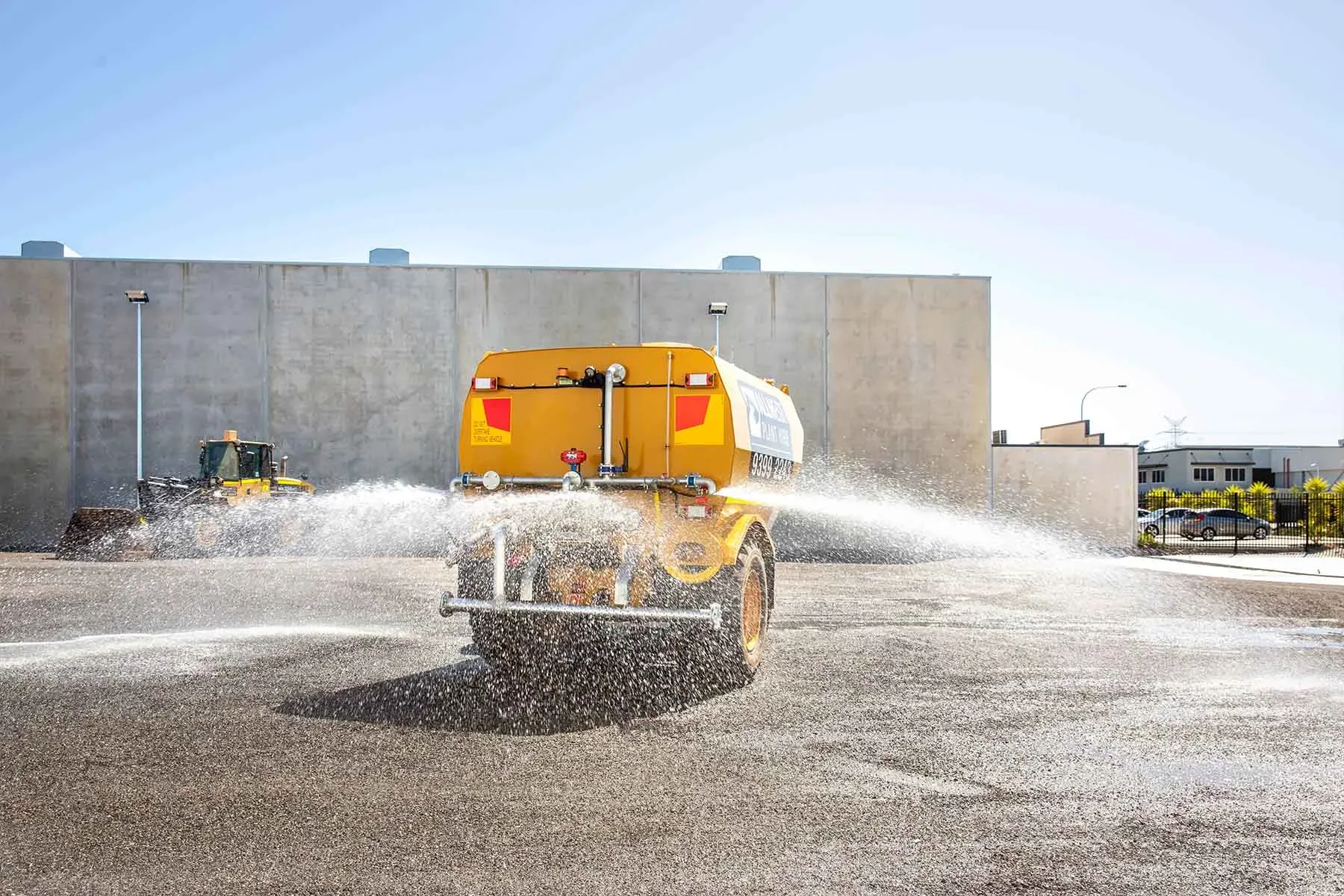
Water cart and dust suppression gear finance for civil crews – Switchboard Finance
 🏗️ civil dust control · water carts ·
Tradie Hub · 2026
🏗️ civil dust control · water carts ·
Tradie Hub · 2026
The cart is rarely the issue. The delays come from the “hidden bundle” — pump upgrades, spray bars, hoses, cannon units, beacon kits, install labour, and tracking add-ons that don’t match the main invoice.
If you’re buying under an ABN and want the fastest path, think like the Fast-Track Asset Finance playbook: one clean package, one clear use case, one tidy paper trail.
Start with the hero: Tradie Finance Australia · Then go deeper: One Facility vs Split Facilities (Tradies) · PPSR Checks (10-min) · Tradie Tools Finance Plan
- One package: cart + suppression kit must read as one Asset Type bundle (not scattered “extras”).
- One spend category: gear + install should be treated as CAPEX, not “random operating spend”.
- One settlement path: align quotes/invoices so the lender isn’t untangling suppliers mid-approval.
What the “hidden bundle” is (and why lenders pause)
Dust control is rarely “just a truck”. The working outcome is the cart + the suppression system. The problem is when the file looks like a cart purchase plus a pile of OPEX receipts. That’s when lenders start asking “what exactly are we funding?”
- Pump upgrades + plumbing
- Spray bars / cannons / dribble bars
- Hose reels + hoses + couplings
- Beacon kit / safety lighting / signage
- Install labour + commissioning
How to structure it cleanly (new build vs used + retrofit)
The cleanest files mirror the logic in Are Low Doc Equipment Loans Worth It?: lenders want a simple, valuers-friendly “thing” they can point to — not a shopping list.
If you’re going used + retrofit, treat the retrofit like part of the plan (not a surprise). For the “split vs bundle” decision, use the same thinking as One Facility vs Split Facilities — because structure is what keeps approvals clean.
| Scenario | What approves cleanest | What causes delays | Fix (simple) |
|---|---|---|---|
| New build package | One itemised quote: cart + kit + install | Extras billed separately with vague descriptions | Use one clear Tax Invoice trail |
| Used cart + bundled kit | Purchase docs + kit quote aligned (same “asset outcome”) | Missing details / unclear seller docs | Run the 10-minute checks in PPSR Checks early |
| Used cart + retrofit later | Retrofit quote + install date provided upfront | “We’ll do it later” with no paperwork | Lock the plan up front (don’t change the scope mid-approval) |
The 10-minute checklist that prevents valuation pain
This is the same discipline behind Equipment Finance Application Mistakes: lenders don’t like surprises — they like consistent documents and a calm story.
If you want the simplest entry point for civil gear funding, start at Low Doc Asset Finance. (For context only: if you’re buying used, you can also check the official PPSR search at ppsr.gov.au.)
- Asset identity: confirm make/model/year + what’s included (same wording across all docs).
- Bundle proof: itemised quote showing suppression gear + install (not “parts”).
- Trading view: stable trading shown through Trading History (consistent deposits, no weird spikes).
- Cashflow hygiene: avoid the red flags in Low Doc Cashflow Facilities: Bank Statement Red Flags.
- Upgrade plan: if this cart is step-one, map the next upgrades using The Tradie Upgrade Ladder.
Tradies, civil crews & earthmoving operators: the cart usually isn’t the hard part — the “hidden bundle” is. If you package cart + dust kit + install as one asset outcome, approvals stay clean and settlement stays fast.
Start here: Low Doc Asset Finance, then build your wider plan via Tradie Hub and the hero guide Tradie Finance Australia.
FAQ
Often, yes — if the package is clear and the paperwork is consistent. If you want speed, mirror the approach in Fast-Track Asset Finance: one package, one quote trail, no surprises.
It can be, especially when you’re treating the cart as core long-term equipment. If you’re unsure about structure, this ties neatly into the “bundle vs split” thinking in One Facility vs Split Facilities.
The risk is buying an asset with an existing security interest attached. The practical fix is exactly what’s covered in PPSR Checks (10-min).
Trading strength, existing commitments, and how predictable repayments look. If you’re stacking upgrades, it helps to plan the sequence using The Tradie Upgrade Ladder so you don’t over-commit too early.
Inconsistent invoices, unclear inclusion lists, or “late-added” extras that change the asset scope. The simplest prevention is the same discipline in Equipment Finance Application Mistakes: match the wording across quote, invoice, and what’s actually delivered.
Disclaimer: This content is general information only and isn’t financial, legal, or tax advice.
