
Civil Compactors & Rollers Finance (2026)
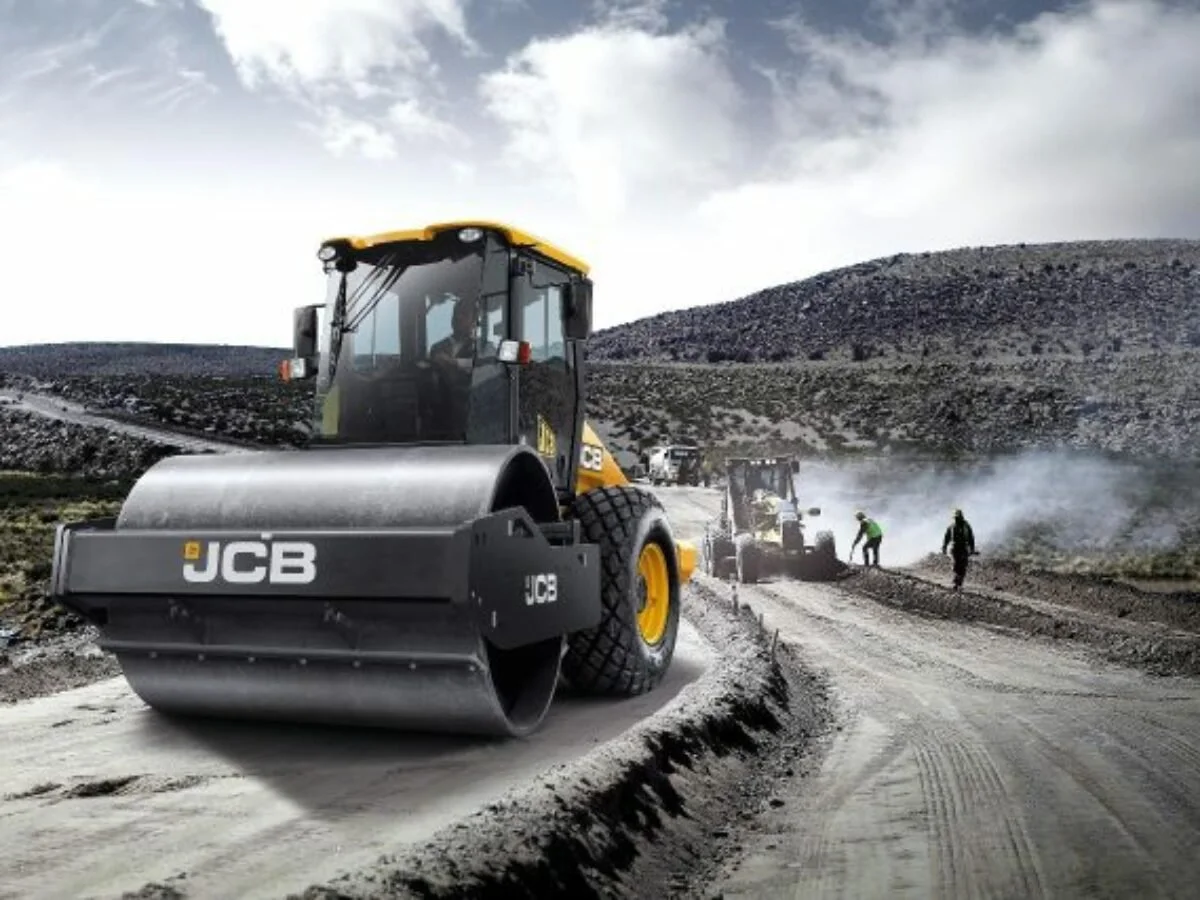
Compactor and roller finance for civil contractors – Switchboard Finance
 🏗️ civil gear · compactors & rollers ·
Tradie Hub · 2026
🏗️ civil gear · compactors & rollers ·
Tradie Hub · 2026
If you want “24–48 hour” momentum, the playbook is the same as the fast-approval guide: keep the Asset Finance file easy to value, keep the Approval Criteria tidy, and keep your story consistent. Start with Fast-Track Asset Finance (24–48 hours), then anchor your broader plan in Tradie Finance Australia.
The biggest delays on civil rollers/compactors usually come from avoidable admin: poor quotes, mismatched specs, or “auction timing” stress. If you want the lender POV on what stalls approvals, skim Top 5 Equipment Finance Application Mistakes. For business setup basics, use business.gov.au.
This guide is written for civil operators buying Yellow Goods under Equipment Finance / Machinery Finance terms. Whether you’re applying Low Doc or full-doc, the speed lever is the same: prove the Asset Type and value cleanly, then settle fast.
- New (dealer): cleanest valuation path → fastest Settlement.
- Used (dealer): clean if hours/condition + spec are consistent (protects LVR outcomes).
- Auction/private: workable, but only if you control docs + valuation risk (and accept lower LVR sometimes).
New vs used vs auction (what changes the lender’s behaviour)
For compactors and rollers, lenders aren’t “scared of the asset” — they’re cautious when the value is hard to prove quickly. That’s why dealer deals feel smoother: the quote and settlement trail are predictable, and the Asset Type is easier to confirm.
If you’re deciding whether a sharp auction price is worth it, read this alongside Are Low Doc Equipment Loans Worth It? and keep your structure thinking grounded with Lease vs Buy Equipment. Auction/private deals can also trigger different Approval Criteria because the value proof is thinner.
The practical question is: “Can the lender independently validate the value and condition fast enough to maintain the desired LVR?” If the answer is “maybe”, expect more questions, potential deposit changes, or extra time before Pre-Approval converts into full approval.
| Buy type | What stays “clean” | Common delay trigger | Fast fix |
|---|---|---|---|
| New (dealer) | Clear spec + clean Dealer Invoice trail | Quote missing delivery/commissioning lines | Ask for an itemised Tax Invoice-style quote before you apply |
| Used (dealer) | Hours/condition documented, common model | Spec mismatch between ad and quote | One “final spec” document (same words everywhere) |
| Auction / private | Possible if timing + paperwork are controlled | Valuation comes in short vs purchase price | Pre-line up docs and be realistic on deposit/LVR |
The approval-ready file (what to send before the lender asks)
If you want speed, don’t “submit and hope”. The fastest deals look like they were prepared using the same logic as Fast-Track Asset Finance — tidy, consistent, and boring (in a good way). This is the difference between quick Settlement and a week of follow-ups.
Two posts that save the most back-and-forth here are PPSR Checks (10-min) and Dealer Quote Explained (approval checklist). They map 1:1 to why civil gear gets delayed.
If you’re applying Low Doc, treat your bank conduct as part of the file: clean Bank Statements, clear Trading History, and no contradictions between the quote, the application and your story. That’s how you protect your Borrowing Capacity and keep Fast Approval realistic.
- One asset description: model/year/serial + hours + condition notes (same wording everywhere) to lock the Asset Type.
- Quote that settles: price, delivery, inclusions, GST treatment (no “mystery totals”).
- Proof of normal trading: Bank Statements that show stable incomings and normal operating spend.
- Risk checks done early: run a PPSR Check before settlement drama (especially Private Sale or auction buys).
- Keep it simple: if you’re ABN Low Doc, don’t flood the file with irrelevant PDFs.
Structure choices (keep repayments predictable)
For civil gear, the structure decision should match how long you’ll actually keep the asset in the fleet. If you’re bundling multiple upgrades, this is where many tradies accidentally create Cashflow stress.
If you’re funding “more than just this one asset”, read One Facility vs Split Facilities (Tradie). If you’re comparing end-of-term outcomes, use Residual Value explained and Finance Lease vs Operating Lease.
The quick sanity check: repayments must fit the job rhythm and the likely replacement cycle. If the asset’s Useful Life is shorter (or you’re upgrading again soon), a shorter Term Length or different Facility structure can prevent ugly surprises later.
- Want ownership + long use: Chattel Mortgage style thinking (own it, plan the exit).
- Want flexibility later: Operating Lease or Finance Lease style thinking (end options matter more than rate).
- Manage end-of-term risk: understand Residual Value / Balloon Payment before you sign.
- Want speed + clean baseline: start with the money page: Low Doc Asset Finance.
Tradies & civil contractors: dealer purchases usually approve cleanest because valuations and settlement trails are predictable. Used dealer can still be fast if specs match everywhere. Auction/Private Sale is fine when you control docs + timing (and accept potential LVR changes).
Best next steps: Low Doc Asset Finance (money page), Fast-Track approvals (24–48 hours), and your broader plan in Tradie Finance Australia via the Tradie Hub.
FAQ
Auction pricing can move faster than valuations, which increases “value gap” risk and can reduce usable LVR. If you want the clean checklist approach that avoids this, pair your file with this low doc equipment guide and don’t leave documentation until after the hammer falls.
Do your risk checks early (especially on used/private buys) and keep one consistent asset description. This is exactly why the PPSR Checks guide exists — a clean PPSR Check stops settlement chaos.
A clear asset spec, total price, delivery, and inclusions — with no mismatched wording vs the ad. Use the Dealer Quote Explained checklist and aim for a clean Dealer Invoice / Tax Invoice-style breakdown.
Bundling can be simpler, but splitting can keep cashflow safer when assets have different lives or replacement timing. The clean decision framework is here: One Facility vs Split Facilities (Tradie). (The underlying concept is your Facility design.)
Build the file like a fast-track deal: clean statements, consistent asset wording, and no clutter. Start with Fast-Track Asset Finance and treat the Low Doc Loan as a “proof and consistency” exercise, not a paperwork shortcut.
Disclaimer: This content is general information only and isn’t financial, legal, or tax advice.
