
Working Capital vs Truck Refinance for the Diesel Squeeze (2026)
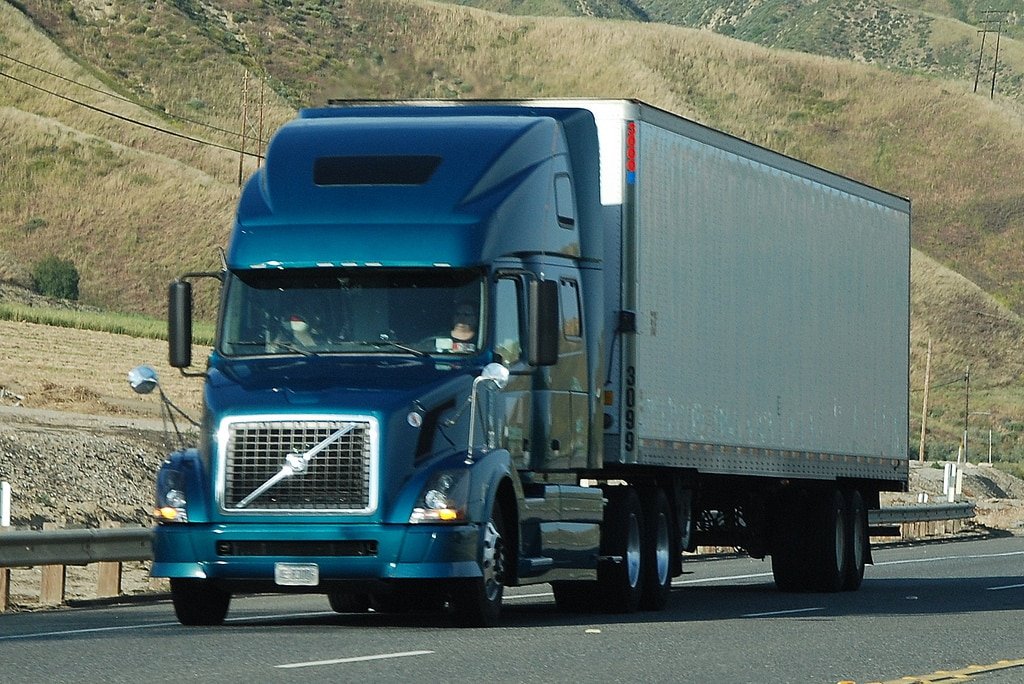
Working Capital vs Truck Refinance | Switchboard Finance
 Truckie Hub
Working Capital · Diesel · Refinance
Working Capital vs Truck Refinance for the Diesel Squeeze (2026)
Two tools, two fixes for the diesel cashflow window. The decision is not which is better, it is which fits the squeeze you are actually in.
Quick Answer
When diesel cashflow tightens against the Road User Charge reset, two different tools fit different problems. A working capital loan sizes on revenue and funds quickly to bridge the gap. A truck refinance through a chattel mortgage releases equity over a longer horizon. Match the tool to the squeeze.
The diesel cashflow window owner-drivers are sitting in
A Hume corridor owner-driver called this month with the diesel cashflow squeeze tightening on one side and a 30 June EOFY window closing on the other, asking whether the next move should be a working-capital line or a truck refinance. The answer turns on which side of the diesel reset the operator wants to be sitting on. For an owner-driver running heavy-vehicle kilometres under the NHVR chain of responsibility framework, the Heavy Vehicle Road User Charge was cut to zero for three months from 1 April 2026 and, per the 2026-27 Federal Budget, is scheduled to revert to 32.4 cents per litre on 1 July 2026. Two owner-drivers running similar routes and burning similar diesel will hit that step-up on the same day, but the right financing fix is rarely the same for both.
One driver may be sitting on a near-paid-out prime mover with real equity in the asset and a 12-month outlook of tighter margins. Another may have a recent purchase with a balloon ahead, a short-term cashflow dip, and a known contract uplift in spring. Same diesel bill on 1 July, different problem. The first looks like a structural margin question that suits truck equity release through a refinance. The second looks like a six-to-twelve-week bridge that suits working capital.
The Truckie Hub view is that the Road User Charge resumption on 1 July 2026 is a known cashflow event, not a surprise, and known events deserve planned facilities rather than reactive ones. Planning early in the diesel cashflow window is what creates room for the cleaner option.
Two tools, two problems they fix
The cleanest way to frame the choice is by speed-to-funded against horizon-of-fix. A working capital loan is fast and short. A truck refinance is slower and longer. Each is the right tool for the problem it actually fixes.
Faster, Working Capital
- Around 24 to 48 hour funded, varies by lender
- Sizes on revenue, not the asset
- Lump sum or revolving facility
- Fits a 6 to 12 week bridge
- Best when the squeeze is seasonal or event-driven
- No PPSR change against the truck
Slower, Truck Refinance
- Typical underwriting runs over a week, varies by lender
- Sizes on truck equity and serviceability
- Lump sum equity release at settlement
- Fits a 12 month plus horizon
- Best when the squeeze is structural
- PPSR re-registered against the asset
The vocabulary that matters here is the lump sum vs revolving facility decision, sitting inside the working capital column. If the diesel squeeze has a known end date, a lump sum loan amortising back over six to twelve months is clean. If the same operator runs a seasonal book with predictable swings, a revolving facility absorbs each swing without re-underwriting each time.
Pick the tool by the size of the squeeze
Three common patterns show up in the inbox during the diesel cashflow window. The decision tree below maps the squeeze to the facility that usually fits it best. The match is not absolute, but it is a useful starting frame before talking specifics.
Match your squeeze
Working capital, lump sum, usually fits
A short bridge across the Road User Charge resumption window and into a known revenue uplift is what a lump-sum working capital loan is designed for. Sizing comes off recent revenue, funding lands in around 24 to 48 hours where the file is clean, and the amortisation is set to match the bridge length so the facility closes itself out. Keeps the truck PPSR untouched.
Fast fitThe picker is a starting view, not a recommendation. Two operators with the same gross revenue can land in different scenarios because their cost base, contract mix, and existing facility position differ. The pattern that holds across all three is that the squeeze should be sized first, then the tool selected to fit, not the other way around.
What lenders actually look at first
What lenders actually look at first on a working capital application for an owner-driver is the revenue line, not the credit score. Working capital sizing on revenue not credit score is the load-bearing rule. A specialist funder will pull six months of business bank statements, recent BAS, and a clear ABN tenure story before any conversation about pricing. The revenue trend over the last 90 days carries more weight than the headline annual figure.
From a working file in the diesel-window cohort right now, the cleanest applications share four traits. Recent BAS lodged and aligned to bank statements. ABN tenure clearing the policy floor, which a major non-bank lender expanded to around 18 months for clean credit earlier in 2026. A consistent revenue picture across the most recent three months. And a clear use-of-funds narrative tied to the diesel cashflow window, not a generic working-capital ask. That last one matters more than most owner-drivers expect.
If the file is heading toward a refinance instead, the underwriting pivot is to the truck. Asset age, kilometres, recent service history, the existing payout figure on the current facility, and any balloon position determine how much equity is releasable. Indicative LVR on truck refi, varies by lender, and the gap between the payout figure plus equity differential and the new facility size is the headroom for working-capital release. The conversation about pricing comes after that headroom is established, not before.
The owner-driver who already has a sense of where they sit on each of these dimensions starts the conversation half a step ahead. The fuel cost cashflow planning view covers the operating side of the same picture; this post is the financing side. Both feed the same decision.
The 2026 diesel cashflow window is a known cashflow event, framed by the Road User Charge resumption on 1 July 2026 and compressed by the EOFY peak. The right fix is the one that matches the size of the squeeze. Working capital is faster, sizes on revenue, and suits a six to twelve week bridge. Truck refinance is slower, sizes on truck equity, and suits a twelve month plus structural shift. The mistake is treating the two as interchangeable rather than as different tools for different problems.
Key takeaway: Size the squeeze first, then pick the tool that fits the bridge length, not the other way around.Frequently Asked Questions
Working capital loans for diesel costs are available to owner-drivers through specialist funders that size the facility on revenue rather than personal credit score. Funding typically completes in around 24 to 48 hours, varies by lender, which fits a near-term diesel squeeze well. The trade-off is pricing, working capital sits above chattel mortgage pricing because it is not secured against the truck.
For longer-horizon cashflow needs, a truck refinance through a chattel mortgage may suit the structure better.
The Heavy Vehicle Road User Charge was cut to zero from 1 April 2026 for three months, and per the 2026-27 Federal Budget is scheduled to revert to 32.4 cents per litre on 1 July 2026. For an owner-driver running typical heavy-vehicle kilometres, that resumption represents a meaningful per-week diesel cost step-up landing precisely as the EOFY window closes.
Planning the cashflow bridge across the reset is the live conversation across the Truckie Hub right now.
A working capital loan is a lump-sum facility, drawn in full at settlement and repaid on a fixed schedule over a defined term. A line of credit is a revolving facility, draw and repay as needed up to a set limit. For a one-off diesel squeeze the lump sum is usually faster to underwrite.
For ongoing seasonal swings the revolver fits better. The lump sum vs revolving facility decision sits at the front of any working capital conversation.
Refinancing your truck instead of taking a working capital loan makes sense when the diesel squeeze is structural rather than seasonal, when you have meaningful equity in the truck to release, and when the timeline allows for standard refinance underwriting cycles. Refinance suits a 12-month plus horizon. For a 6 to 12 week diesel window before EOFY, working capital is the faster tool.
Equity release through a chattel mortgage refinance is a different conversation; the payout figure sets the headroom.
Working capital funding for owner-drivers can complete in around 24 to 48 hours from clean application to settlement, varies by lender. That timeline assumes complete documentation, recent BAS, six months of business bank statements, and a clear picture of revenue. Where documentation gaps exist or the file requires policy exception, the timeline stretches into a week or more.
Checking eligibility through the eligibility tool before submitting reduces avoidable delay.

 FBAA Accredited
