
Truck Refinance Equity Release for Working Capital (2026)
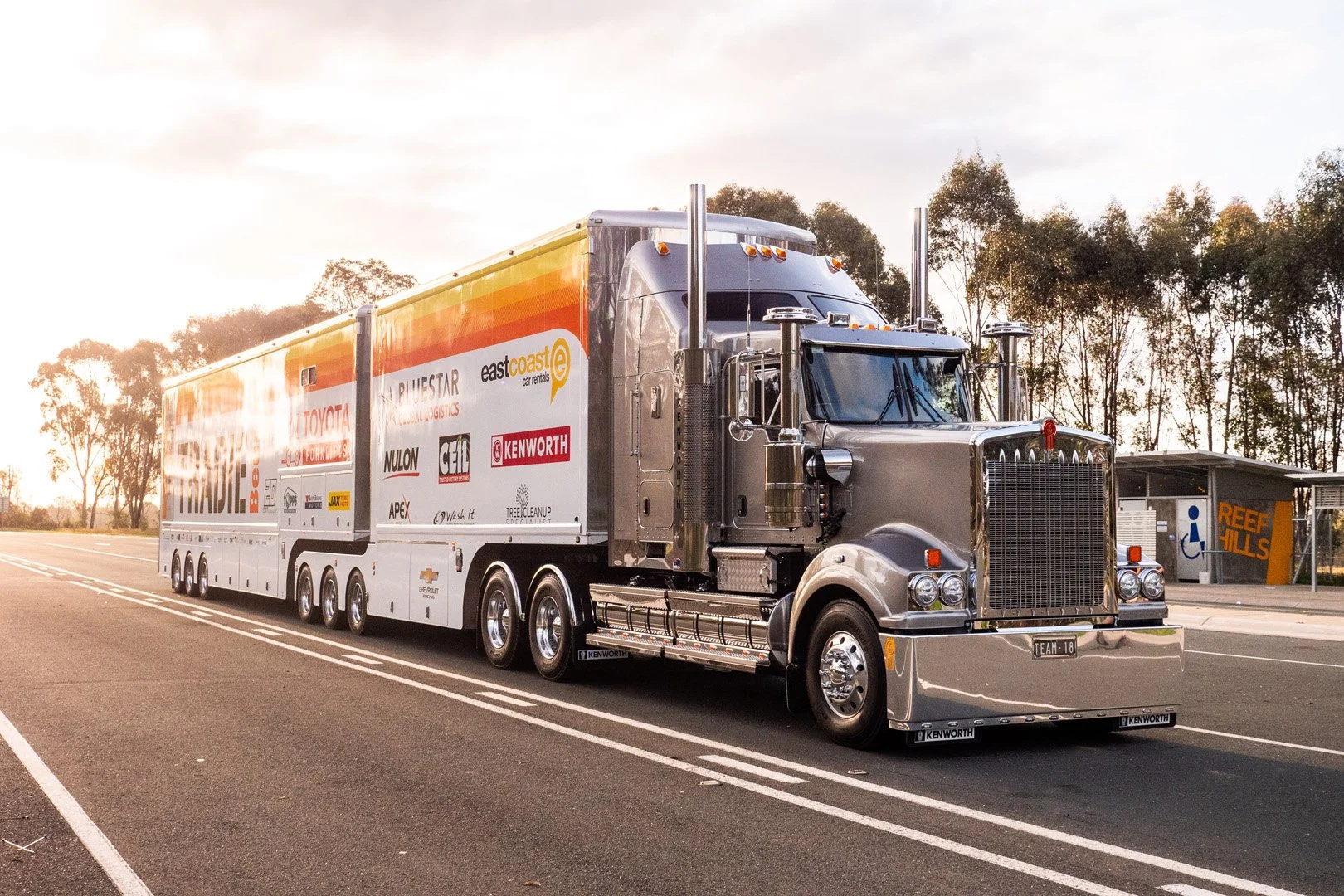
Truck Refinance for Working Capital | Switchboard Finance
 Truckie Hub
Truck Refinance · Equity Release · Working Capital
Truck Refinance Equity Release for Working Capital (2026)
Refinancing the truck to free up working capital is a different conversation to refinancing for a second truck. It is a cashflow event, not a growth event, and underwriters read it that way. Here is what holds up at the EOFY peak window.
Quick Answer
A truck refinance can release equity for working capital when the asset valuation sits comfortably above the existing payout figure and the new repayment still fits the operating cashflow. Treat it as a cashflow event, not a growth event. The signals lenders look for differ, and so does the document set.
Refinance as a cashflow event, not a growth event
Truck equity release is not one product, even though the phrase often gets used as if it is. On the credit side it is two very different deals. A growth refinance pulls equity to fund a second truck, a trailer, or a deposit on the next asset. A working-capital refinance pulls equity to smooth out the operating account, cover a diesel and tyre run, fund a maintenance window, or close a tax-time gap.
Lenders write both. The conversation is different. A growth refinance gets read against the next asset's earning capacity. A working-capital refinance gets read against the existing operating cashflow and whether the new repayment crowds it out. Treating refinance as cashflow event not growth event is the cleanest way to frame the deal up front, because it tells the lender what cashflow line you are trying to protect.
Where this commonly lands at the EOFY peak window (May to June) is owner-drivers under a real diesel and pre-EOFY cashflow squeeze, with a truck that has settled into solid equity, looking for a single lump sum at chattel mortgage rates instead of a higher-cost short facility.
The five signals lenders actually look for
The first thing the file is read against on a working-capital refinance is not the dollar figure you want out. It is whether the cashflow story holds together and the asset still supports the LVR. Underwriters read a short list of signals.
Green flags, refinance fits
- Truck two to four years in, original loan amortised through, clean PPSR.
- BAS shows stable or rising revenue across the last four quarters.
- Existing repayment well inside operating cashflow with headroom.
- Clear single use of funds, not a stack of small line items.
- Operating account run cleanly, no dishonours, no ATO arrears.
Red flags, refinance stalls
- Truck inside the first 12 months, asset value still close to drive-away.
- BAS trending down or one weak quarter sitting in the middle.
- Existing repayment already pinching the operating account.
- Equity cash earmarked for paying down personal cards or BNPL.
- Recent missed direct debits or active ATO payment plan.
None of these are absolutes. A red flag does not mean the deal cannot be written, it means the conversation gets more careful and the lender choice gets narrower. On a clean credit file, two solid green flags will often offset one yellow signal if the broker frames the story properly to a specialist funder rather than a tier-1.
The payout figure plus equity differential, what it actually is
The mechanics of a truck refinance for working capital are straightforward once the language is clear. The new lender writes a new chattel mortgage at a number that equals the payout figure plus equity differential. The payout figure clears the existing lender. The equity differential is the cash released to the operating account.
Two pieces matter. First, the asset valuation. Older trucks attract tighter LVR. The balloon payment on the outgoing facility flows into the payout figure, so a deal with a heavy balloon coming due can actually be one of the better refinance candidates. Second, the new term. Resetting back to a five-year term to keep the new repayment soft loads the operating account with truck repayment for longer than originally planned. That trade-off should be tested against the truck's likely service life before signing.
Why the EOFY peak window changes the framing
The EOFY peak window from May to June compresses cashflow across most owner-driver lanes and lender capacity tightens as everyone tries to settle pre-30-June. The macro backdrop is set out in the RBA Statement on Monetary Policy, May 2026, which frames the broader rate environment. That backdrop matters less for a truck refinance than the timing of the lender pipeline.
The pipeline picture in May to June is non-bank lenders running near full capacity, alt-doc specialists pushing slightly longer assessment turnarounds, and tier-2 funders pricing competitively to fill the window. A clean working-capital refinance with green flags ahead of it is the kind of deal that moves through. A messy one waits until July.
For owner-drivers also weighing a fresh cashflow facility instead of, or alongside, the refinance, the comparison piece is the next slot in this batch covering working capital loans. The two facility types are not interchangeable, and the choice between them is the question worth working through carefully, particularly for owner-drivers already mapped against the owner-driver to fleet operator finance sequence or pricing a future deal off the low doc prime mover at 150k lender view. Also useful is the deeper view of alt-doc refinance and how a broker reads the documents.
Refinancing the truck for working capital is the right tool when the asset holds equity, the cashflow story is clean, and the cash need is a single lump sum rather than revolving. The lender writes a new chattel facility at the payout figure plus equity differential, the outgoing facility settles, and the differential lands in the operating account. The signals that decide whether the deal goes through are read in the BAS and the operating account, not the dollar amount requested. Where this commonly lands at the EOFY peak window is owner-drivers with two to four years of clean amortisation behind them.
Key takeaway: Treat refinance as a cashflow event, not a growth event, and frame the operating account story first.Frequently Asked Questions
Refinancing your truck to release working capital is a real option when the truck holds equity above the current payout figure and the new repayment still fits the operating cashflow. The lender writes a new chattel mortgage at a payout figure plus equity differential, pays out the existing facility, and the equity cash settles to the operating account.
It is treated as a cashflow event, not a growth event, which changes what underwriters look at and which lenders are the cleanest fit.
The equity you can release from your truck is the gap between the truck's current valuation and the indicative LVR ceiling the lender will write to, less the existing payout figure. Indicative LVR on truck refi varies by lender and asset age, with older prime movers typically attracting tighter LVR than late-model rigids.
A broker comparing options across non-bank lenders will sit the asset against an alt-doc refinance policy that fits the cashflow story.
Refinancing a truck for working capital carries the usual chattel mortgage line items: an establishment fee, a PPSR registration, sometimes a payout-handling fee from the outgoing lender, and any broker fee disclosed up front. The total moves with lender, deal size and document set.
What costs more over the life of the deal is signing a longer term that loads the operating account with truck repayment for years, so the term decision is the one to test against the operating cashflow.
Whether it is better to refinance the truck or take a separate working capital loan depends on whether the cash need is one-off and structural or short-cycle and revolving. A refinance is the right tool when you want a lump sum at chattel rates with a single repayment to manage.
A separate facility, often through working capital loans, is the right tool when the cashflow gap is short-cycle and you want revolving access without resetting the truck term.
Refinancing your truck loan usually resets the term clock, which is the part owner-drivers often underestimate. The new facility runs its own term from settlement, and if you reset back to a five-year term to keep the new repayment soft, the asset is on finance longer than originally planned.
A broker will lay the new amortisation against the truck's likely service life and the balloon payment treatment before recommending a term.

 FBAA Accredited
