

One Doc Home Loan for Builders: Equity in the Yard (2026)
Residential builders often hold significant equity in a commercial yard (a depot, storage compound, or workshop site) that most lenders ignore when assessing a home loan. A One Doc structure lets your accountant certify income while that yard equity strengthens the overall position. This guide maps the growth stages from yard acquisition through to unlocking that equity for a residential purchase.

When Your Builder's Yard Reads Mixed-Use (2026)
When a builder's yard sits on a mixed-use title (part industrial shed, part office, part retail frontage), the lender's commercial property assessment changes materially. Zoning classification, valuation methodology, and NCC compliance all shift the file from a clean industrial read to something that needs explanation.

Duplex Development Finance: The Valuation Gap (2026)
Most residential builders expect a duplex to be valued as two separate dwellings from the start. Lenders treat it as one line until subdivision completes. That valuation gap changes your LVR, your drawdown schedule, and how much equity you actually need to bring to the deal.

Low Doc Plant Finance for Residential Builders (2026)
Residential builders can finance mini-excavators, concrete pumps, and scaffold systems through low doc asset finance without full financials. Lenders assess ABN age, BAS history, and the asset itself, not two years of tax returns. This guide covers what to prepare before you apply.

The EOFY Equipment Finance Window for Clinics (2026)
The instant asset write-off deadline lands on 30 June 2026. For clinic owners planning equipment purchases, chairs, imaging, sterilisation, practice vehicles, the approval-to-settlement window is tighter than most expect. This guide maps the critical dates, structuring decisions and approval sequencing that determine whether your purchase settles in time to claim the deduction this financial year.

One Doc Home Loan for Multi-Partner Practice Owners (2026)
Most practice partners assume shared ownership makes home loan approval harder. Under One Doc, the accountant letter isolates your personal share of practice profit, and that single document replaces the tax return stack most lenders demand. The structure works whether you hold equity directly, through a unit trust, or via a service entity.

Dental Practice Vehicle: Lease vs Chattel Mortgage (2026)
Should your dental practice lease or chattel-mortgage the next vehicle? The answer depends on your entity structure, how you claim running costs, and whether you need the flexibility to refinance mid-term. This guide breaks down the rate, tax, and settlement differences that matter for dentists in 2026.

ABN Car Loan for Locum Doctors (2026)
Locum doctors driving between clinics, hospitals and aged-care facilities can structure a car loan under their ABN, but lenders assess locum income differently to salaried practitioners. This guide covers the proof pack, business-use percentage, and structuring decisions you need to lock in before you apply.
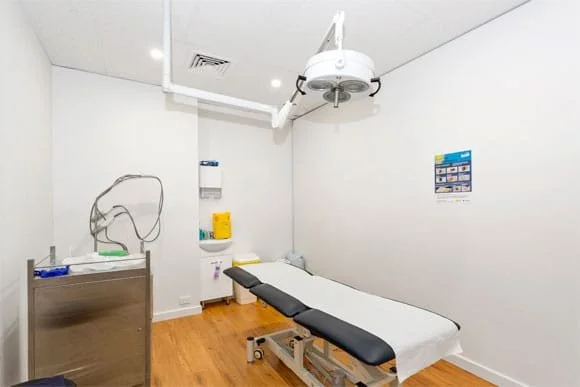
How Lenders Class Clinic Equipment Before Approval (2026)
Lenders classify clinic equipment into risk tiers based on resale value, depreciation speed and redeployment potential. Understanding how your chair, scanner or autoclave is categorised before you apply determines whether your approval is fast-tracked or queried, and which documentation path gives you the cleanest result.

One Doc Home Loan for Linehaul Subcontractors
Linehaul subcontractors earn differently from salaried drivers or owner-drivers with diverse freight contracts. A One Doc home loan uses your accountant's income declaration instead of tax returns — but the lender still needs to understand how your per-km or per-load income translates into stable serviceability. This guide covers the verification path for linehaul-specific income structures.