
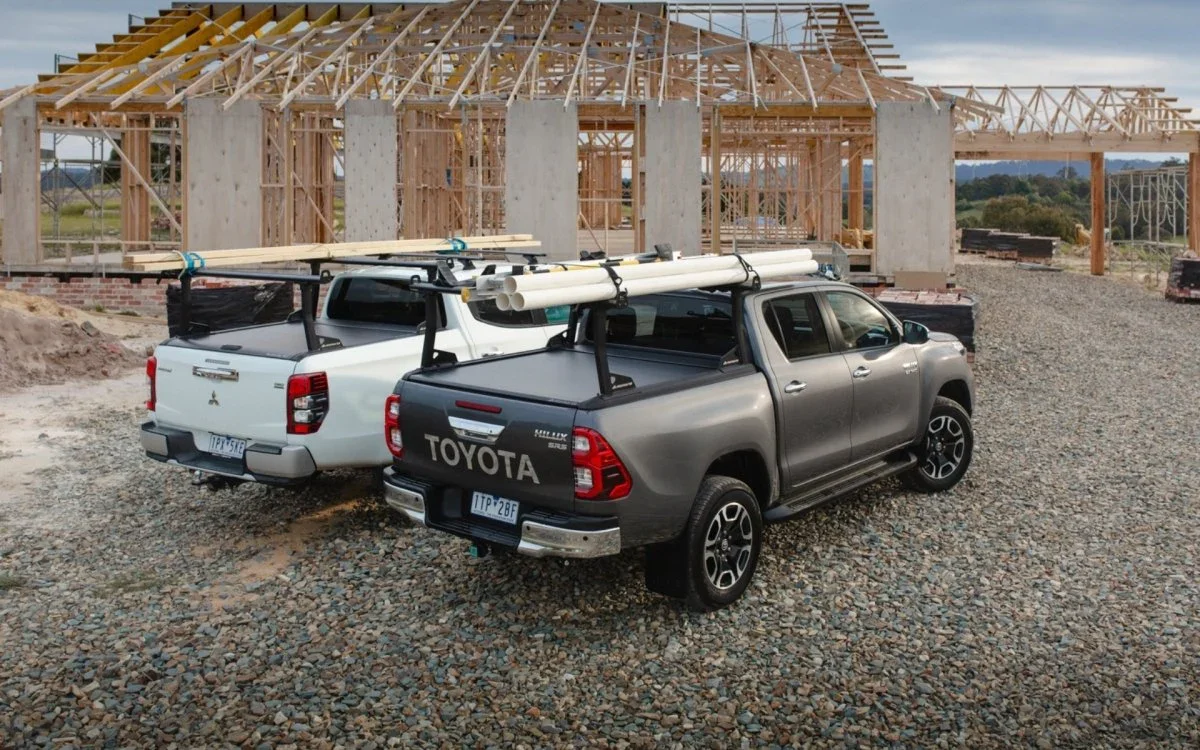
Tradie Ute and Car Finance: EOFY 2026
Light commercial vehicle sales fell 5% in Q1 2026 and the RBA's next move lands 5 May. For tradies financing a ute or car before 30 June, the real EOFY pressure is not the tax write-off — it is the lender turnaround bottleneck that turns a 5-day approval into a 3-week queue. This timing guide maps the May and June windows that matter.

One Doc Home Loan for Pharmacists (2026)
Pharmacists who own or part-own a dispensary generate strong, recurring revenue through PBS and front-of-shop sales — but irregular BAS patterns and goodwill-heavy balance sheets can confuse standard home loan assessments. A One Doc home loan uses an accountant's letter to verify income, bypassing full financials and letting dispensary revenue speak for itself.

Low Doc Vehicle Finance: Adding a Second Car (2026)
Adding a second vehicle under your ABN changes the lender conversation. Your existing repayment now sits inside the servicing calculation, the PPSR shows an active security interest, and the credit assessor reads your file as a multi-asset borrower. This guide walks through how to sequence the second application so it lands faster, not slower.
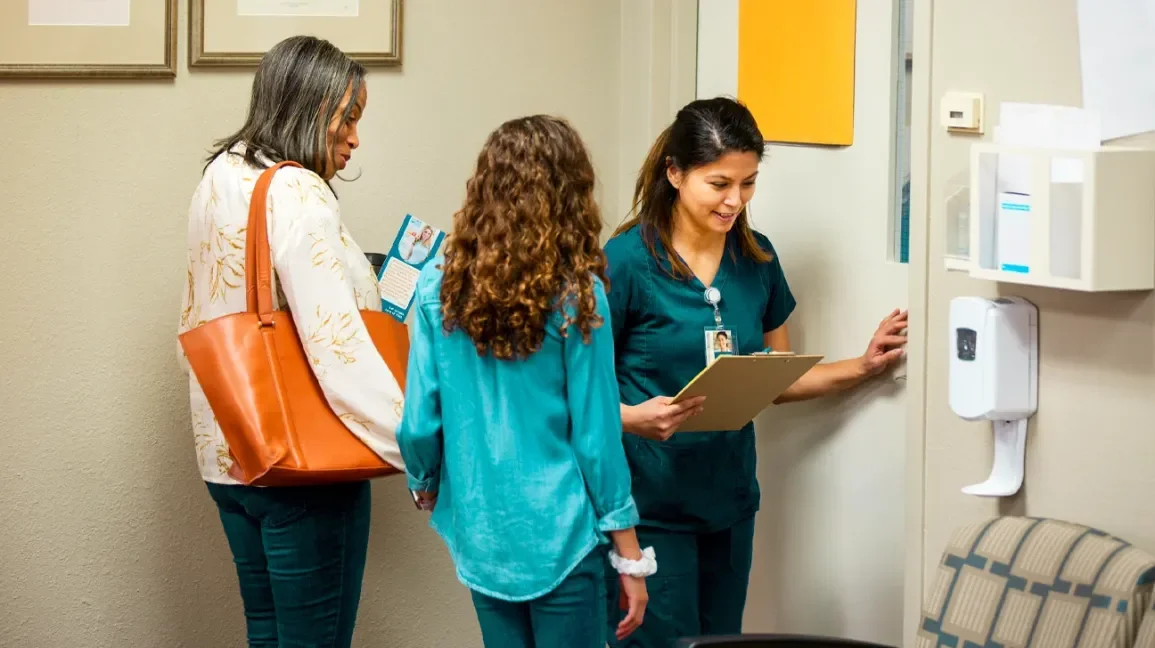
ABN Car Finance Perth: The WA File (2026)
Western Australian ABN holders finance more per vehicle than any other state — $64,380 on average compared to the national $59,820. This guide breaks down what makes a WA car finance file different: stamp duty treatment, registration costs, lender requirements and the documentation proof pack that gets Perth applications across the line.

ABN Car Loan for Medical Professionals (2026)
Most medical professionals assume a novated lease is the only way to finance a car through their practice. It isn't. If you hold a practice ABN, a chattel mortgage through the business gives you cleaner depreciation, no FBT exposure on high-business-use vehicles, and a faster approval path than salary packaging. Here's what the credit assessor actually reads when your file lands.
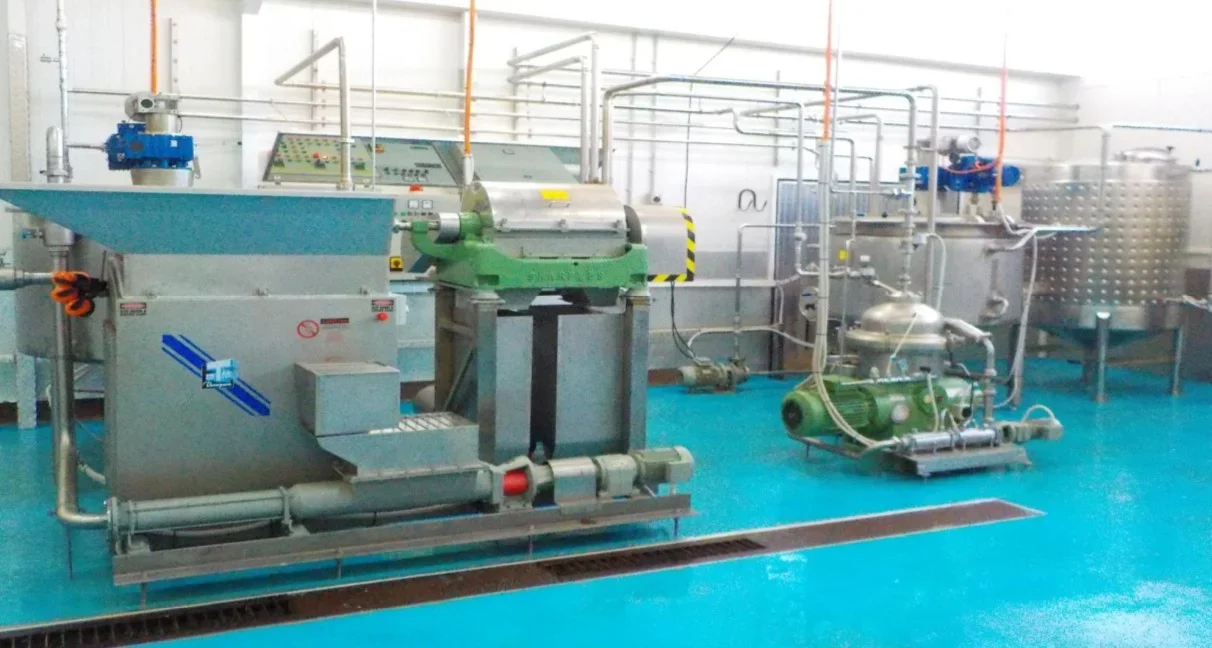
One Doc Home Loan for Factory Owners: ABN + 1 Year BAS Path
Factory owners with just 12 months of ABN history and quarterly BAS lodgements can qualify for a One Doc home loan — but the file has to be structured correctly. This guide covers what lenders need to see, what slows the process down, and how to prep your application before you apply.

Northern Melbourne Manufacturing Equipment Finance (2026)
Northern Melbourne's industrial corridor from Campbellfield to Somerton hosts hundreds of manufacturers buying production equipment every quarter. Here's how low-doc asset finance works for factory owners in this corridor — and what lenders check differently when the asset sits in a manufacturing environment.

What a Lender Sees on a Factory Automation File (2026)
Automation lines depreciate faster than standard plant. When a six-figure file lands on a credit desk, the assessor reads residual risk differently — import documentation, technology obsolescence, and the depreciation curve on robotic arms and PLC-controlled systems all shape the outcome. Here is what passes and what stalls.

Chattel Mortgage vs Car Loan: When Asset Security Makes Sense
Most manufacturers finance factory vehicles the same way they'd finance a personal car. That default costs them the GST credit, the depreciation structure, and the lender flexibility that a chattel mortgage unlocks. If the vehicle is primarily for business use, the finance structure should reflect that — and the lender's assessment changes entirely when asset security is in place.

Business Finance Post-July 2026: Cashflow After Payday Super
Four policy shifts land between now and 1 July 2026 — Payday Super, SBSCH closure, the $20K write-off expiry, and whatever the RBA decides on 5 May. Each one changes the cashflow arithmetic for self-employed business owners. This guide maps the post-July reality and the finance structures that fit it.