
Buying an Existing Café (2026): The Finance Checklist for Fitout
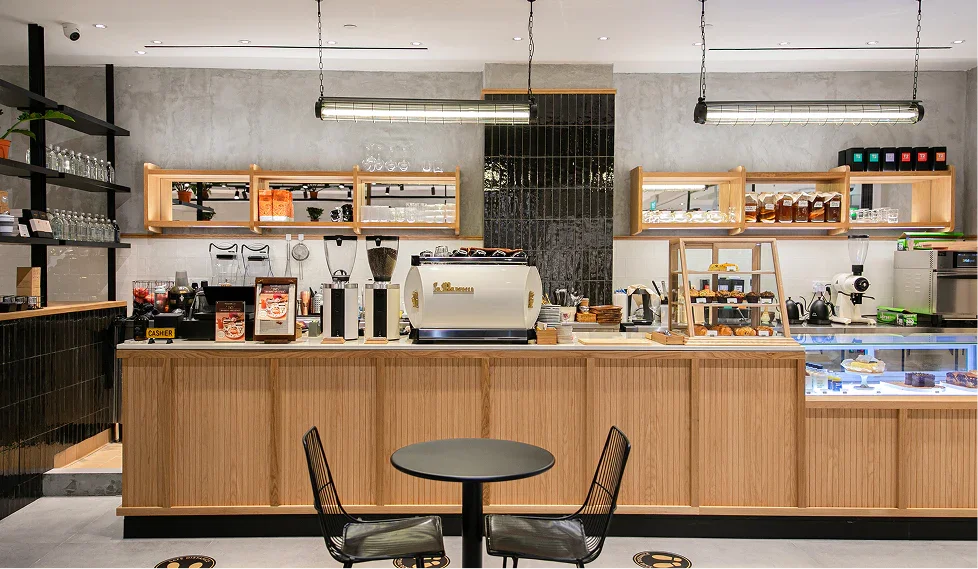
Buying an existing café finance checklist for café buyers | Switchboard Finance
 Insights · Café Hub
Buying an Existing Café (2026): The Finance Checklist for Fitout, Equipment, Stock, Bond + “Goodwill” (What’s Fundable vs Not)
When you buy a café, you’re paying for a mix of real assets (equipment and fitout) and non-assets (like goodwill). Approvals get easier when the contract, invoices, and valuations separate those pieces — so lenders can fund what’s actually fundable.
Start here: Café Cashflow Pack · Café explainer: Low Doc Loans for Café Owners · Cashflow facility lens: Business Loans.
What lenders will fund vs what they treat as “non-asset”
Lenders love things they can value, insure, and register. In a café acquisition, that’s usually the fitout and the equipment. If you try to bundle everything into one number, the consequence is the lender treats the whole deal as “soft” and reduces appetite.
Your job is to present a clean asset list (with invoices/serials where possible) and keep “goodwill” separate. That lets a clean Asset Finance lane fund the hard items, while any other needs are handled separately.
| Cost item | Usually fundable? | What lenders want to see | Common fail |
|---|---|---|---|
| Equipmentmachine, grinders, fridge | Often yes | List + vendor invoice (Dealer Invoice style) + condition notes | “One lump sum” with no itemisation |
| Fitoutbenches, cabinetry | Sometimes | Clear description + proof of ownership + quality/age notes | Fitout mixed into goodwill with no basis |
| Stockbeans, packaging | Usually no | Separate valuation and settlement handling | Trying to asset-finance consumables |
| Bondlease security | Usually no | Lease terms + bond amount clearly stated | Assuming bond is an “asset” |
| Goodwillbrand, customer base | Usually no | Kept separate; funded only via other structures if at all | Calling goodwill “equipment” |
Real-life example: a buyer agreed to pay $180k “walk-in walk-out”. The lender only wanted to fund the $75k equipment list. Once the contract separated equipment/fitout from goodwill, the asset portion became approvable without dragging the whole deal down.
The deal mechanics checklist (lease assignment, invoices, stock valuation, security)
Approvals often fail because the paperwork doesn’t match how lenders underwrite a “going concern”. If the lease assignment and ownership chain aren’t clean, the consequence is delays — or the lender won’t proceed.
This is where lender comfort lives: a clean Loan Agreement narrative, strong Trading History signals, and clear registration/security logic (including PPSR awareness).
| Checklist item | What “good” looks like | What goes wrong |
|---|---|---|
| Lease assignmentyou become tenant | Assignment terms agreed + dates align with settlement | Settlement date set before landlord consent |
| Vendor invoicesitemised assets | Separate line items for equipment/fitout vs goodwill | Everything bundled → valuation haircut |
| Stock valuationseparate schedule | Stock counted at settlement with a simple schedule | Stock included in “asset list” (not credible) |
| Security + registrationswho owns what | Clear asset ownership and no hidden encumbrances flagged early | Surprise encumbrance shows up late |
Real-life example: a buyer couldn’t settle because the lease assignment wasn’t approved. The lender didn’t want to fund equipment into a business that legally couldn’t trade on that site yet — sequencing fixed the deal.
The “funding stack” that stays clean (don’t poison the cashflow lane)
A common mistake is trying to fund the whole purchase price with one product. That usually forces “soft” items into an asset structure. The consequence is either a decline or a much smaller approval than expected.
A cleaner approach is: hard assets through asset finance; cashflow smoothing through the right facility type. Use Café LOC vs Working Capital as your decision lens so the acquisition doesn’t contaminate your cashflow settings.
| Need | Clean lane | Why it’s cleaner |
|---|---|---|
| Equipment / fitout | Asset Finance | Lender can value and secure the items. |
| Initial cash buffer | Business Loans facility lens | Designed for timing gaps and operating buffers. |
| Goodwill | Kept separate | Often treated as non-asset; bundling hurts approvals. |
Real-life example: a buyer tried to include goodwill inside the equipment schedule. The lender shaved the valuation hard — when goodwill was separated, the equipment approval became straightforward and the buyer handled the rest via other means.
- Separate hard assets (equipment/fitout) from non-assets (goodwill, bond, most stock) or approvals get messy.
- Make the paperwork match reality: itemised invoices, clean lease assignment, clear ownership and security logic.
- Start with the café hub Café Cashflow Pack and we’ll build the cleanest funding stack.
FAQ
Quick answers we see when buyers finance an existing café.
