
Melbourne Ghost Kitchens (2026): The Finance Checklist
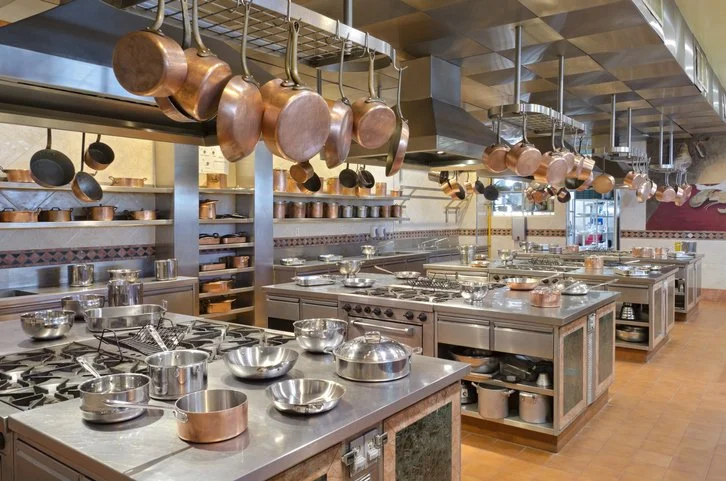
Melbourne ghost kitchen finance checklist for delivery-first venues | Switchboard Finance
 Insights · Café Hub
Melbourne Ghost Kitchens (2026): The Finance Checklist for Delivery-First Venues (Fitout, Equipment, POS, Marketing Float)
Ghost kitchens look “lean” on paper, but lenders focus on different risks: platform concentration, volatile weekly sales, and what’s actually an asset. Use this checklist to structure your spend into clean, fundable lanes — and avoid trying to finance marketing float as if it’s equipment.
Start here: Café Cashflow Pack · Café explainer: Low Doc Loans for Café Owners · Cashflow facility lens: Business Loans.
Delivery-first venues still need clean “approval lane hygiene” — especially around Bank Statements patterns and what lenders see as true Cashflow.
The delivery-first economics lenders actually judge (not just “low rent”)
A ghost kitchen usually has lower dine-in CAPEX, but higher dependency on delivery platforms and paid acquisition. The consequence is lenders don’t just ask “is it profitable?” — they ask “how stable is revenue if one channel dips?”
If one platform is doing most of your sales, your risk grade rises and your terms can tighten. The clean move is proving repeatability: steady weekly deposits, consistent order volume, and a controlled marketing ramp.
| Underwriting focus | What they look for | Why it matters | Common failure |
|---|---|---|---|
| Platform concentrationsingle channel risk | How much Revenue comes from one source | Concentration = volatility risk | “One platform dominates” with no backup plan |
| Deposit consistencyweekly pattern | Clean, explainable Bank Statements | Signals stable trading story | Spikes and dips with no narrative |
| Cash buffer behaviourdraw + repay | How you use an Overdraft or buffers | Shows discipline vs stress borrowing | Always “maxed” buffer, never resets |
Real-life example: a delivery-first brand in Melbourne looked “profitable”, but 78% of deposits came from one platform. Once they showed consistent direct pickup + catering deposits alongside platform receipts, the lender’s volatility concern dropped.
What’s fundable in a ghost kitchen setup (and what usually isn’t)
Lenders fund items they can value and secure. That’s why equipment and some fitout are easier than marketing float. If you try to label marketing spend as an “asset”, the consequence is a decline or a hard haircut on approval amount.
Keep the lanes clean: hard assets through equipment/fitout funding, and operating buffers handled separately through the cashflow facility lens.
| Spend item | Usually fundable? | Proof that helps | Consequence if done wrong |
|---|---|---|---|
| Kitchen equipmentovens, fridges | Often yes | Itemised vendor invoice (treat it like a Dealer Invoice list) | Non-itemised quote → valuation haircut |
| Fitoutextraction, benches | Sometimes | Scope + ownership + useful life story | Bundled “fitout + marketing + goodwill” number |
| POS / systemshardware | Sometimes | Hardware itemisation (not just subscriptions) | Trying to finance SaaS fees as an asset |
| Marketing floatads, promos | Usually no | Handled via cashflow facility lens | Misclassified spend → decline / delays |
Real-life example: a ghost kitchen tried to fund “launch marketing” inside the equipment schedule. The lender treated it as non-asset and reduced the limit — separating hard assets kept the equipment approval clean.
The approval-ready proof pack for Melbourne ghost kitchens
Ghost kitchens live and die by trading patterns. So lenders prioritise proof that you can repeat sales without constant emergency borrowing. If you can’t show a clean pattern, the consequence is lower limits, more conditions, or a “come back later”.
The fastest path is showing stable deposits and a credible trading story, then matching the facility to the cash gap. Use Café LOC vs Working Capital to avoid picking the wrong tool for the wrong gap.
| Proof item | What it shows | Why it matters |
|---|---|---|
| 90-day deposits mapplatform + direct | Channel stability + concentration risk | Stops “single platform” fear |
| Weekly cost cadencewages + suppliers | Real cash burn rhythm | Matches facility sizing to reality |
| Facility behaviourdraw then repay | Whether you self-clear | Determines the right facility type |
Real-life example: a Melbourne delivery-first venue sized the facility to “average weeks”. On promo weeks, supplier orders surged and cash dipped — re-sizing to the worst 2-week stretch stopped the repeat crunch.
- Ghost kitchens get judged on platform concentration and deposit consistency, not just “low rent”.
- Fund hard assets cleanly, and keep marketing float in the cashflow lane (don’t mislabel it).
- Start with the café hub Café Cashflow Pack and we’ll match the cleanest facility to your trading pattern.
FAQ
Fast answers for delivery-first venues in Melbourne.
