
Buying a Strata Medical Suite: Checks Before You Sign
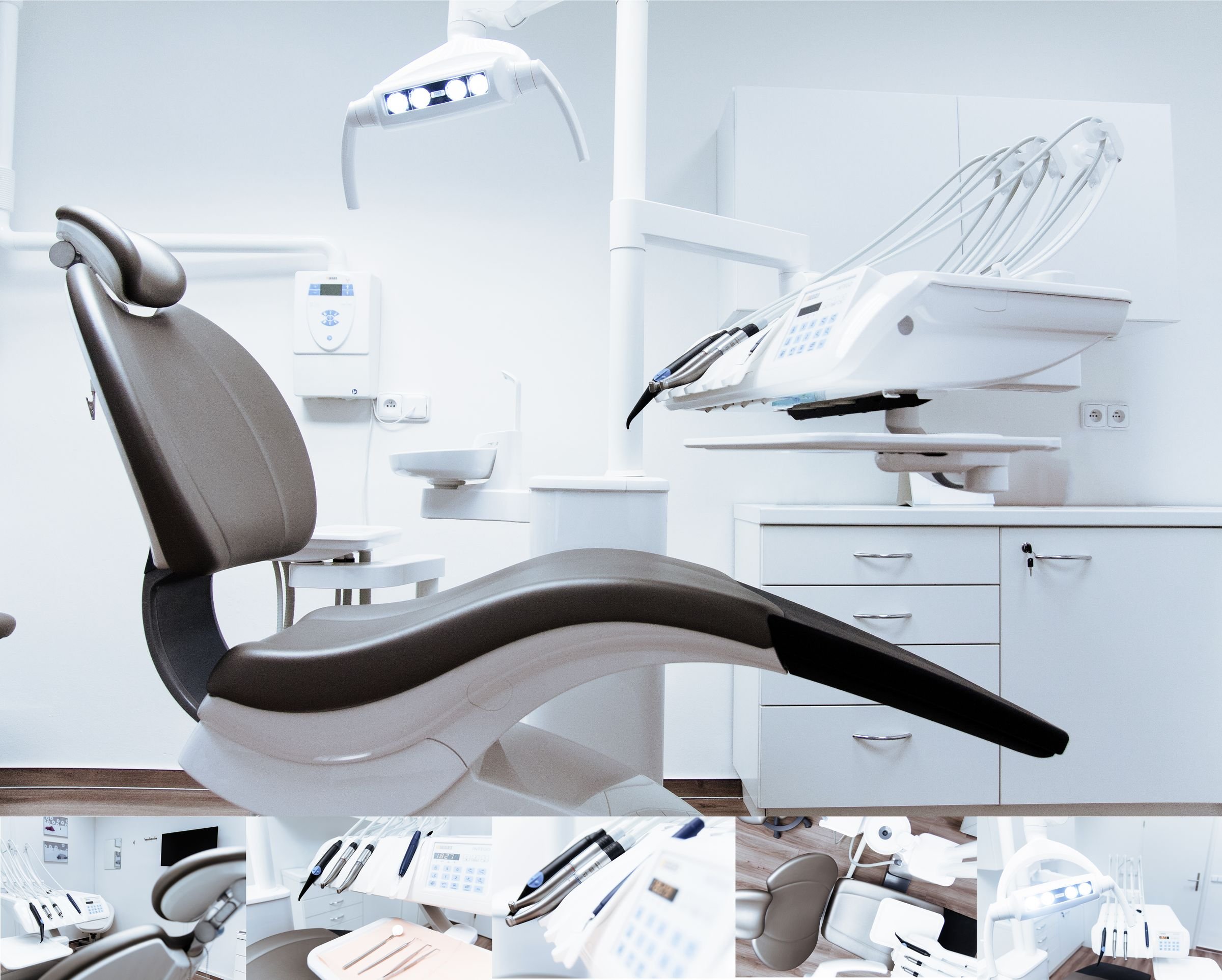
Before you buy a strata medical suite: by-laws, change of use approval, parking per consulting room, building class and owners corporation consent.
 Whitecoat Hub
Strata Medical Suite · Change of Use · By-Laws
Most practice owners treat a strata suite as a smaller freehold with a smaller price. It is not. Medical use has to clear the by-laws, the planning scheme, the building code and the owners corporation before the rooms are usable, and the lender reads every one of those answers.
Quick Answer
Before you sign for a strata medical suite, confirm that medical use is allowed under the by-laws and the planning scheme, that parking and building class work for consulting rooms, and that the owners corporation will consent to your fitout. Then line up the commercial property loan around those answers, as our medical centre freehold guide sets out.
Also called: consulting suite, medical rooms, strata consulting suite. Same thing, different listing vocabulary; agents use whichever reads best in the advert.
Can a strata suite be used as medical rooms?
A strata suite can be used as medical rooms when four separate answers line up: the scheme's by-laws allow it, the planning scheme allows it, the building suits it, and the owners corporation agrees to the works. A strata suite is a lot inside a building where the land, roof, foyer, lifts and shared services are common property run by an owners corporation. You own the space inside your lot boundaries, not the building, which is the core difference from a freehold title over a standalone building.
That difference matters more for a practice than for most buyers. An accountant can move into an office suite with desks and a phone line. A practice brings patients, plumbing at the basins, sometimes sterilisation or imaging, more car movements and longer hours. Each of those touches a rule somebody else controls. Where this commonly lands, the price is right and the location is right, and the one question nobody asked before exchange turns out to be the one that blocks the rooms.
Suite you can use
- By-laws allow professional or health use, or are silent on it
- The zone allows a medical centre, with or without a permit
- Parking on title or nearby supports your number of rooms
- Building class suits the procedures you run
- The building has approved a practice fitout before
Suite you cannot
- A by-law limits lots to office use only
- The zone prohibits the use or needs a permit you cannot win
- Parking falls short and no reduction is supportable
- Procedures push the space into a stricter health-care class
- Basins and drains need common property works the owners corporation refuses
The rest of this checklist takes each answer in the order you should chase it. More premises reading for practice owners sits in the Whitecoat Hub.
What do the by-laws and the plan say about medical use?
The by-laws and the registered plan say what each lot may be used for, and a by-law that limits lots to office use can rule out consulting rooms even where council would approve them. Ask for the full set of registered by-laws, not a summary in the contract, along with the strata plan or plan of subdivision that shows your lot boundaries and any exclusive use areas such as car bays or storage.
The test is simple. Is medical or health use a permitted use under the by-laws? If the by-laws are silent, does anything in them limit noise, hours, signage, waste or deliveries that a practice depends on? Clinical waste collection, after-hours access for early or late sessions and signage on the street frontage are the usual friction points.
The name of the body changes by state. In Victoria and New South Wales it is the owners corporation, in Queensland it is the body corporate, and in Western Australia it is the strata company. The disclosure documents change too: Victoria uses an owners corporation certificate, New South Wales buyers usually order a strata inspection report, and Queensland sellers give a disclosure statement with the contract, which for a lot in a body corporate scheme includes a body corporate certificate. Whatever your state supplies, read it before you sign, and ask for recent meeting minutes, which show disputes, levy changes and any works that were refused.
When do you need a change of use or planning permit for consulting rooms?
You need change of use approval when the planning scheme treats a medical centre or health care service as a different use from the office or shop the suite was approved for, and in most schemes it does. The title and by-laws do not answer this question. The zone does, and an earlier office permit does not carry across to a practice.
- Victoria. The zone tables in each planning scheme list a medical centre as its own use. In some commercial zones it needs no permit if conditions are met; in others a permit is required.
- New South Wales. The local environmental plan defines medical centres separately from office and business premises, and the land use table for the zone decides whether development consent is needed. Some changes can run as complying development if the standards are met.
- Queensland. The local planning scheme sets the category of assessment for a health care service in each zone, from accepted development through to code or impact assessment.
- Western Australia. The local planning scheme sets the use class, and some councils add a local planning policy written specifically for consulting rooms, covering practitioner numbers and parking.
The safe sequence is to ask council or a town planner before you sign, not after. A zoning statement or a short planning letter costs little next to a suite you cannot use. Our glossary explains development approval and why it is a separate step from building approval.
How does car parking per consulting room affect approval?
Car parking per consulting room, set by the local planning scheme, is the check that most often turns a supportable medical use into a refused one, because medical parking rates are usually higher than office rates and a strata suite rarely comes with spare bays. Schemes tend to count medical parking by practitioners or consulting rooms rather than by floor area, so the same suite can need more spaces the moment you add a room.
In Victoria, the car parking provisions at clause 52.06 of the planning scheme set the rates, and the state's planning practice note on using the car parking provisions explains how council assesses an application to reduce the number required. A reduction is possible, but it needs a case: public parking nearby, public transport, shared use with neighbours whose peak hours differ, or a limit on how many practitioners consult at once. New South Wales councils usually set their rates in a development control plan, and Western Australian councils often set them in a consulting rooms policy.
Count what the suite actually has: the bays on title or allocated by an exclusive use by-law, any visitor bays in common property, and whether patients may use them. Then count what your practice needs at its busiest session, not its average one. Usually, a small practice fits within the existing parking and a growing one needs a permit with a parking reduction, which changes the timeline and sometimes the answer.
What building class, access and fire checks apply to consulting rooms?
Consulting rooms need their building classification confirmed by a building surveyor, because the class decides the fire safety, exits and access the suite must meet, and a change of use can trigger upgrades to all three. Under the National Construction Code, ordinary consulting rooms are often treated much like offices. Procedures that leave a patient unable to walk out unassisted, such as sedation, can move the space into a health-care classification with stricter fire separation and egress rules.
Access is the second check. Where new building work is approved, the access standards for people with disability can apply to the affected part of the building and the path of travel to it, which may reach the entrance, the lift and the corridors in common property. That is owners corporation territory and a cost conversation to have before exchange.
The third check is services: hand basins in consulting rooms, sterilisation, shielding for imaging, hot water capacity and the waste stack. Each needs a route through the building. A building surveyor's pre-purchase advice and a plumber's walk-through cost far less than discovering after settlement that the slab cannot be cut where you need drains.
Do you need owners corporation consent for a medical fitout?
You need owners corporation consent for works that touch common property, and a medical fitout almost always does. Inside your lot you can usually change partitions and finishes. Floor slabs, external walls, plumbing stacks, fire services and shared air conditioning plant are typically common property, and cutting into any of them for basins, drains or new ducts needs owners corporation consent for works, often by resolution at a general meeting and sometimes with a by-law that makes your lot responsible for future repairs to the altered parts.
Ask the selling agent or the strata manager now whether a fitout like yours has been approved in the building before, and on what conditions. A building that already houses a dental or GP practice is an easier path than one that has only ever had accountants. Allow for the meeting cycle as well: a resolution that needs a general meeting can take weeks to schedule, and your fit-out finance and builder start date both hang off it.
How does a lender read a strata medical suite as security?
A lender reads a strata medical suite as security through the same documents you have just checked, because the property's value rests on whether the next owner could use it too. The use does most of the work here: a suite with medical approval in a building that welcomes practices is stronger security than one that only works for your own practice. Lot size, the levy position, any special levies and the depth of the buyer and tenant pool all feed the valuation and the loan amount, which varies by lender. If the suite is empty on the day you buy, it is assessed as vacant commercial property until your practice moves in.
The general rules for lending against strata commercial lots sit in our guide to buying a strata office or shop. For a medical suite, the planning and by-law answers are what move the number. We place commercial property loans for practice owners across a panel of lenders, and wider options sit in the Property Lending Hub.
Which planning and owners corporation conditions protect you before you sign?
The conditions that protect you are the ones written into the contract before you sign: a finance condition, a condition tied to the medical use being approved, and a due diligence period long enough to get owners corporation answers. Without them, a refusal after exchange is your problem, not the seller's.
| Check | Where it lives | Who confirms | What goes wrong if missed |
|---|---|---|---|
| Permitted use | Registered by-laws and the strata plan | Strata manager, your solicitor | The by-laws bar medical use and the rooms cannot open |
| Change of use approval | Zone and use table in the planning scheme | Council or a town planner | Approval refused or delayed after you are committed |
| Car parking | Planning scheme parking provisions, bays on title or by-law | Council or a town planner | A smaller practice than planned, or a reduction application |
| Building class and fire | National Construction Code classification | Building surveyor | Fire separation or exit upgrades you did not budget for |
| Access | Entrance, lift and path of travel in common property | Building surveyor, owners corporation | Common property access works you must fund or negotiate |
| Works consent | By-laws and general meeting resolutions | Owners corporation | Basins, drains or ducts refused, or approved after your fitout date |
| Levies and disputes | Owners corporation certificate or disclosure, minutes | Your solicitor | A special levy or defect claim lands after you buy |
| Finance | Finance condition in the contract | Your broker | Settlement falls due before the loan is approved |
- Get the documents. By-laws, plan, the owners corporation certificate or your state's equivalent, and recent minutes.
- Ask about the zone. Council or a town planner confirms whether the medical use needs a permit and how parking is counted.
- Get a building view. A building surveyor confirms classification, access and fire implications for your procedures.
- Ask the owners corporation. Confirm whether similar works were approved and what a consent resolution needs.
- Write the conditions in, then lock the loan. Gather your documents with the Whitecoat loan pack and settle the finance once the answers are in.
For how lenders treat a doctor buying their own rooms, see buying a clinic with a commercial property loan, and for the broader case for owning, property finance for medical practice owners.
A strata medical suite is bought on four answers, not one: the by-laws, the planning scheme, the building and the owners corporation. Get each in writing before you sign, put the conditions into the contract, and build the finance around a suite you know your practice can use.
Key takeaway: confirm medical use, parking, building class and works consent before exchange, then speak to a broker about the loan.Frequently Asked Questions
You can run a medical practice from a strata unit when the by-laws, the planning scheme and the building all allow medical use and the owners corporation consents to your fitout works. A lot approved only for office use usually needs change of use approval from council first. Our medical centre and consulting suite freehold guide covers the wider purchase.
Buying a strata medical suite is worth it when the suite already has, or can clearly get, medical use approval and the building suits a practice, because you then own premises another practitioner could also buy or lease. It is weaker when the suite only works for your own practice, which narrows resale and lowers what a lender treats as security. Weigh it against leasing using property finance for medical practice owners.
Buying a strata medical suite costs the price plus duty, legal fees, owners corporation levies and the due diligence that confirms medical use, such as town planning advice and a building surveyor's view. A permit, a parking reduction or common property works add cost before the fitout starts. The deposit and loan side is covered on our commercial property loans page.
You often need a permit to use an office as consulting rooms, because most planning schemes treat a medical centre as a separate use from an office, with its own parking rates and conditions. Whether a permit is required depends on the zone and the state, so check with council or a town planner before you sign. Our glossary explains development approval and how it differs from building approval.
The owners corporation can stop fitout plumbing works that cut into or change common property, such as the floor slab, waste stacks or shared services, unless it consents to them. Works wholly inside your lot usually need no consent, but basins and drains rarely stay inside the lot. Ask whether similar works were approved before you sign, and plan your fit-out finance around the meeting timeline.

 FBAA Accredited
