
Café Delivery & Catering Van Finance (2026)
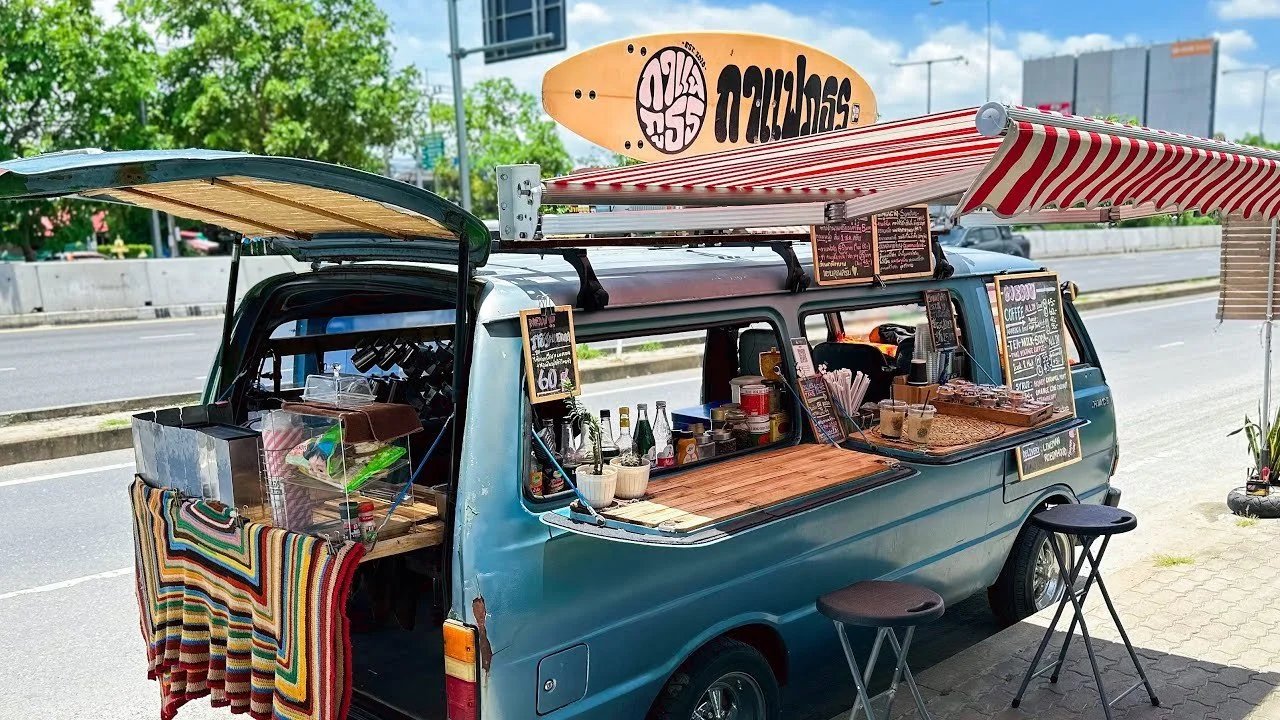
Café delivery and catering van finance for café owners upgrading a business vehicle – Switchboard Finance
 Insights · Café
Café Delivery & Catering Van Finance (2026): The Turnover Proof, Settlement Timing & Merchant Flags That Decide Approval
A café van deal is not assessed like a standard owner-driver vehicle file. Lenders usually want to understand how the van supports revenue, how money lands in the business, and whether the turnover story shown in the file actually matches what hits the bank account.
This guide focuses on the clean proof stack for delivery-first and catering-heavy cafés: what to show first, what slows funding between “approved” and “funded,” and which merchant patterns can push the file into avoidable manual review.
- Hub (available in this chat): Business Owners Finance Hub
- Persona hero explainer (non-negotiable): Low Doc Loans for Café Owners: How to Upgrade Without the Paperwork Nightmare
- Forced target (best in-chat fit): Low Doc Vehicle Finance for ABN Holders: 2025 Guide
- Winner seed #1: Café Turnover Proof Pack (2026): The 9 Exports That Get You Approved Faster
- Winner seed #2: Café Finance Settlement Delays (2026): The 7 Causes Between “Approved” and “Funded”
- Sibling post (different intent): Café Merchant Facility Risk (2026): Why Card Settlement Structure Changes Your Approval Outcome
- Sibling post (different intent): Café Finance Eligibility Scorecard (2026): The 14 Checks Lenders Use Before They Even Look at Your Rate
- Glossary (unique, no repeats): Turnover and Settlement
The cleanest café van approvals usually come from a simple proof stack: visible sales activity, visible payout timing, visible merchant consistency, and a clean vehicle quote that matches the borrower. If that stack is weak, the deal does not always decline — but it often slows down, attracts extra questions, or pushes the file into a less efficient approval lane.
| Proof item | Why lenders care | What they want to see | Consequence if missing |
|---|---|---|---|
| POS + merchant reports | Shows real trading flow, not just a claimed sales number | Consistent batches and visible sales movement | Manual review |
| Delivery or catering revenue trail | Confirms the van has a practical business use | Clear evidence of recurring delivery or off-site trade | Use-case challenge |
| Business bank account flow | Lets the lender match deposits with the turnover story | Clean credits, sensible timing, no confusing gaps | Follow-up requests |
| Vehicle quote + borrower match | Keeps the file in the clean vehicle lane | Correct entity, clean quote lines, no soft-cost blur | Re-quote / delay |
1) The turnover proof lenders trust first
Café van deals get stronger when the file proves the van is tied to actual trade, not just “future plans.” Delivery-heavy venues, catering-led operators, and cafés with off-site supply runs usually need the revenue story to be obvious before the lender gets comfortable with the asset purpose.
The easiest way to do that is to show a clean trading pattern: sales reports, merchant flow, and business account activity that all point in the same direction. If those three parts do not line up, the consequence is usually extra questioning around revenue quality, not a faster path to funding.
- Show the trading pattern clearly: keep the sales story simple and consistent.
- Match business activity to the van use: delivery, catering drops, supply runs, or event service should make sense on paper.
- Avoid mismatched numbers: if the claimed turnover and visible inflows feel disconnected, confidence drops quickly.
A café doing weekday in-store trade plus weekend catering can look clean when the file shows a repeatable sales rhythm and a clear reason the van supports revenue. If the application only says “need a van for growth” with no visible pattern behind it, the lender has more reason to stop and test the story.
2) Where settlement timing usually slips
Many café owners think the risk ends once the deal is approved. It does not. The slowest part of the file can be the handoff between conditional approval and funding, especially when the quote, borrower details, or supporting business documents are not aligned early.
On a van deal, the common timing drag is simple: the lender is ready to move, but the file still needs clarifying documents, a cleaner invoice path, or confirmation that the vehicle quote actually matches the borrowing entity. If you do not clean that up upfront, the consequence is lost time between “yes” and actual funding.
- Get the quote right early: clean dealer details and borrower alignment matter more than most owners expect.
- Keep the file cohesive: if the vehicle, entity and cashflow story do not match, settlement can stall after approval.
- Treat approval and funding as separate steps: a “yes” is not the same thing as money being ready to go.
A catering operator may secure a conditional approval quickly, then lose days because the van invoice needs to be reissued to the correct borrowing entity. The deal can still fund — but the consequence of leaving that mismatch unfixed is a slower settlement path and more coordination than the owner expected.
3) The merchant flags that trigger extra scrutiny
Lenders do not just look at revenue size. They look at how revenue arrives. Café files can become messy when card batches, delivery payouts, catering deposits and other credits all land in a way that is hard to read. That does not automatically kill the deal, but it can push the file into manual review.
The core issue is consistency. If credits appear irregular, heavily split, sharply volatile, or hard to reconcile with the sales story, the lender may start testing whether the turnover is dependable enough to support the repayment path. If you ignore that, the consequence is slower assessment and more document requests.
- Messy payout timing can make normal trade look weaker than it really is.
- Unclear split between channels can make delivery, catering and counter sales harder to read.
- Merchant flow that does not match the story can create avoidable lender doubt.
| Flag | Why it creates friction | Cleaner fix | Consequence if ignored |
|---|---|---|---|
| Irregular payout rhythm | Makes revenue harder to predict | Show the normal settlement cycle clearly | Longer assessment |
| Split channels with no context | Card, delivery and catering credits look disconnected | Present the sales sources as one clean operating story | More follow-up questions |
| Heavy variance around events | Spikes can look unstable without explanation | Frame peak vs normal trading clearly | Manual review delay |
| Bank flow that does not match claimed sales | Undermines trust in the file fast | Clean the numbers before submission | Lower confidence |
A café may look strong on paper, but if weekday card batches, catering deposits and third-party delivery payouts all land with no clear pattern, the lender can struggle to read the file. The business may still be healthy — the problem is that a messy merchant picture makes the revenue look less clean than it is.
4) How to keep the deal in the clean vehicle lane
The strongest café van files are usually the ones that stay focused on the van. Once the application starts blending in unrelated setup costs, future marketing spend, or soft business expenses, the vehicle portion becomes harder to assess cleanly.
That does not mean the broader growth plan is wrong. It just means the file should be structured properly. If you do not separate the vehicle request from non-vehicle spend, the consequence is often a slower review, a reworked structure, or more cash required than you expected.
- Keep the van request clean: let the vehicle stand on its own merit first.
- Separate non-asset spend: do not let soft costs muddy the cleaner approval path.
- Frame the use clearly: delivery, catering and operational efficiency are easier to assess than a vague “business growth” pitch.
A café replacing an aging delivery van can look straightforward when the file stays focused on the vehicle and the revenue link is obvious. If the same submission tries to bundle unrelated launch or operating costs around the van, the cleaner vehicle lane gets diluted and the deal becomes harder than it needs to be.
Café delivery and catering van deals are usually decided by clarity, not hype. The lender wants a clean turnover story, a clean settlement path, and merchant flow that actually matches the way the café trades. If those pieces are loose, the file usually slows down before rate or structure even becomes the real discussion.
Start with the Business Owners Finance Hub, use the Low Doc Vehicle Finance Guide as the closest in-chat money-page lane, and keep the van request clean before layering in anything else.
FAQs
Fast answers for café owners financing a delivery or catering van.
Use the hubs to navigate, then catch up on the last 8 blogs from your list below.
- Clinic Finance Conditional Approval (2026): What "Approved Subject to Conditions" Actually Means — The 48-Hour to Day 7 Clearance Checklist for Equipment & Fitout Deals
- Adding a Practitioner Mid-Quarter (2026): How to Use LOC vs Working Capital vs Invoice Finance When New Billing Lags Behind New Payroll by 30–60 Days
- South East Melbourne & Mornington Peninsula Clinic Finance (2026): GP, Dental & Allied Health in Frankston, Berwick & Dandenong — The Local Proof Pack for Fast Low Doc Approvals
- Doctor Car Finance When You Pay Yourself in Drawings: The Clean “Serviceability Pack” (2026)
- Geelong & Surf Coast Tradie + Civil Plant Finance Checklist (2026): The Local Proof Pack for Utes, Excavators, Trailers & Attachments
- Solo Tradie to First Employee (2026): The Finance Stack for a Second Vehicle, Tools Float & Wage Buffer at ABN 2–4 Years
- Tradie Finance Approval Timeline (2026): What Happens in the 48 Hours After You Submit a Ute, Tools or Trailer Deal
- Ute Fitout Valuation Haircuts (2026): Which Add-Ons Actually Count — and Which Ones Trigger Bigger Deposits
Newest café guides
Newest in the Café Hub
Four fresh, lender-practical reads for café owners and hospo operators — built to reduce back-and-forth and keep finance decisions cleaner.
One Doc Home Loans for Café Owners (2026)
When one accountant’s letter can work better than messy BAS, merchant payouts and seasonal venue income.
Northern Melbourne Café Finance Checklist (2026)
A local proof-pack guide for Epping, Reservoir, Preston and Thornbury café operators.
Café Franchise vs Independent
How finance approvals differ when turnover proof, franchisor consent and facility limits are not the same.
Café Outdoor Dining Setup Finance (2026)
What is financeable for heaters, screens and furniture — and what still needs a cash buffer.
