
Café Outdoor Dining Setup Finance (2026): What’s Financeable vs What Needs a Cash Buffer
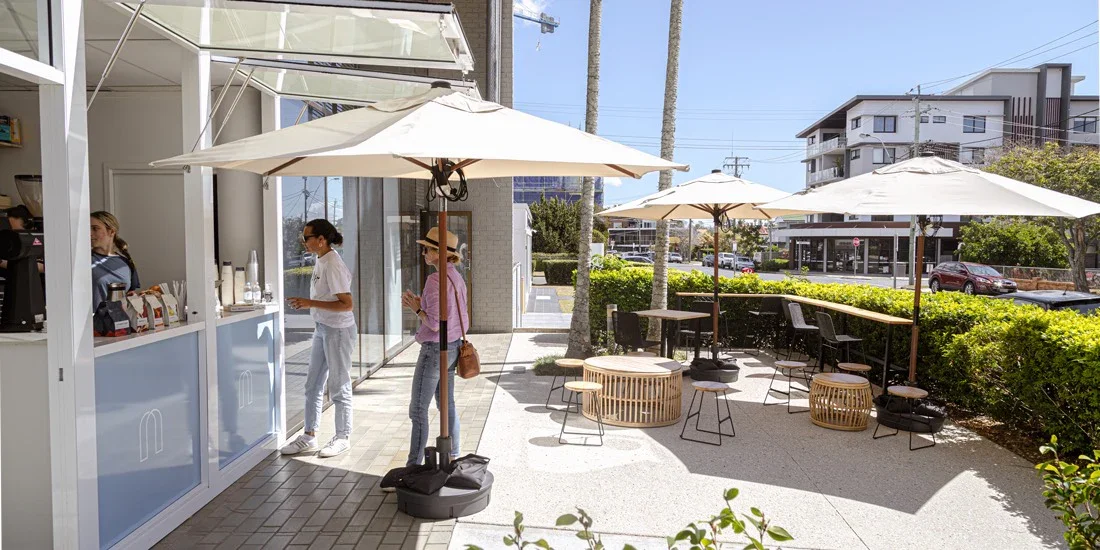
Café outdoor dining finance for hospitality venue upgrades – Switchboard Finance
 Insights · Business Owners Finance Hub
Café Outdoor Dining Setup Finance (2026): Heaters, Screens, Furniture & Council Permit Costs — What’s Financeable vs What Needs a Cash Buffer
Outdoor dining upgrades usually go wrong when a café owner mixes tables, heaters, screens, permit costs and opening-week spend into one vague request. The cleaner starting point is the Business Owners Finance Hub, then the right split between Equipment Finance for true asset items and a separate plan for the soft costs that do not belong in the same file.
For café operators, this page sits beside the hero explainer Cash Flow vs Growth: The Café Owner’s Balancing Act with Low Doc Finance, the strong supporting pages Low Doc Loans for Café Owners and Café Fitout Financing in 2025, plus nearby 2026 café pieces like Café Supplier Deposits & Long-Lead Equipment (2026) and Café Finance Eligibility Scorecard (2026).
Outdoor dining upgrades usually fund better when the hard assets are separated from the soft costs. Heaters, furniture, fixed screens and some fitout-adjacent items can often sit inside an asset-led request, while permit fees, compliance costs, bond-style outlays and short-gap setup spend usually need cash reserves or a separate funding plan.
The mistake is not the upgrade itself. The mistake is trying to make one facility solve two different problems. That is where deposits rise, approvals slow down and the file starts looking messy.
1) What lenders usually see in an outdoor dining setup — and where the file gets messy
A café owner rarely buys “just tables and chairs.” Outdoor dining usually means heaters, wind screens, umbrellas, joinery, weather cover, planters, lighting and some form of install cost. That is why a simple outdoor upgrade can drift from straightforward Asset Finance into a mixed file with items that do not all fit the same lending logic.
This matters more in hospitality because the trading case is not just about the gear. It is about extra seating, weather resilience and smoother revenue through colder months or peak periods. That commercial logic is often strong, but the file still needs to show what is asset, what is setup and what should stay outside the financed amount.
| Item type | Usually easier to finance | Usually better kept separate |
|---|---|---|
| Physical equipment | Heaters, outdoor furniture, fixed screens, structured fitout items | Consumables, décor-only spend, ad hoc replacement items |
| Venue setup | Clearly quoted install-linked items with durable business use | Permit applications, consultant fees, rush admin charges |
| Opening gap | None by default inside the asset file | Cash buffer for trading lag, roster build and supplier timing |
A suburban café can have a sensible outdoor plan on paper, then still hit friction because the quote mixes fixed screens and heaters with permit fees, marketing spend and the owner’s first stock top-up. The commercial idea is fine. The structure is the problem.
2) What is usually financeable in an outdoor dining upgrade
Lenders usually respond better when the request is framed around durable business-use assets. In a café setting, that often includes outdoor heaters, quality seating, tables, some fixed screening systems and other clearly itemised pieces that support ongoing trade. The cleaner the supplier quote, the easier it is to map the request into Equipment Finance or another asset-led structure.
This is also where product choice matters. Some owners compare a Chattel Mortgage style structure against a Finance Lease approach depending on tax treatment, ownership preference and how they want the upgrade to sit inside the business. The point is not to overcomplicate it. The point is to present a clean asset story.
Itemised, durable, business-use assets
The best files make it obvious what the café is buying, why it improves trade, and how each quoted item contributes to a usable outdoor area rather than a vague venue refresh.
Blended venue spend with no clear asset boundary
Once the quote becomes a catch-all list, the lender starts trimming lines, questioning value and looking harder at deposit risk before the deal even reaches final pricing.
A venue replacing old outdoor seating with commercial-grade furniture and fixed heaters is much easier to explain than a file that combines those items with signage tweaks, casual décor spend and non-durable accessories.
3) What usually needs a cash buffer instead of being forced into the asset request
This is the part owners underestimate. Permit fees, council-related costs, approval delays, compliance tweaks and the first round of trading pressure after the upgrade often do not belong inside the same facility as the hard assets. They are not the same problem. One is a business asset purchase. The other is a timing and Cashflow problem.
That is why outdoor dining projects often sit closer to the logic behind The Café Cash Flow Pack or Café Cashflow Funding in 2026: Business Line of Credit vs Working Capital Loan once the conversation moves away from hard assets and into timing gaps.
- Council permit fees: usually better treated as a separate business expense rather than an asset line.
- Compliance and consultant costs: often part of getting the space ready, but not always clean financeable security.
- Opening-week buffer: useful for roster pressure, supplier timing and early trading volatility.
- Short-gap operating stress: sometimes better matched to a Business Line of Credit or Working Capital solution instead of bloating the equipment file.
A café can fund the physical outdoor setup cleanly, then still need separate breathing room because wages, permit timing and supplier bills land before the extra outdoor revenue fully shows up.
4) The proof pack that usually makes an outdoor dining file read cleaner
Hospitality files rarely fail because the owner had a bad idea. They usually slow down because the first pack is weak. A lender wants to see the business is real, the outdoor upgrade is commercial, and the request is sized with a sensible view of revenue and repayment pressure. That means clear quoting, visible trade history and a submission that does not force the assessor to guess.
In practical terms, the cleanest café submissions usually line up with the discipline behind Café Fitout + Equipment Finance Documents Checklist (2026) and Café Finance “Day 0” Submission Bundle (2026). The asset story and the trading story both need to arrive together.
- Clear itemised supplier quote: no blended “venue refresh” wording.
- Clean recent trading support: enough to show the venue is operating and stable.
- Short use-case note: why outdoor dining matters for seating, seasonality or turnover protection.
- Entity clarity: who is borrowing and who signs.
- Cost split note: what is asset-led versus what stays outside the asset facility.
Two café owners can ask for the same dollar amount, but the one who sends a clean quote pack plus a simple explanation of how the outdoor area protects winter trade usually gets a better first read than the owner who just forwards a builder invoice and hopes for the best.
5) One facility vs split structure: the decision that changes approval quality
A lot of café owners think the cleanest move is to put everything into one facility. It usually is not. If the project includes clear equipment plus a separate short-gap trading need, the stronger answer can be two lanes: one for the physical outdoor assets and one for the operating pressure. That protects the asset file from non-asset clutter and gives the business a more realistic buffer.
This matters even more if the venue already has seasonal swings, supplier concentration or delivery-platform payout lag. In those cases, a single oversized file can look forced, while a split plan aligned to the actual business problem reads much more commercially.
| Need | Usually cleaner fit | Why |
|---|---|---|
| Heaters, screens, furniture | Asset-led facility | Keeps the security and valuation logic clean |
| Permit timing and setup cash gap | Separate cash buffer strategy | Stops soft costs from polluting the equipment file |
| Mixed venue expansion pressure | Split facilities where justified | Matches the real operating problem more accurately |
A café adding outdoor dining before winter may fund the physical setup on asset terms, but still keep separate room for permit timing, supplier bills and the first few weeks of payroll pressure instead of forcing one oversized structure.
Outdoor dining upgrades usually work best when café owners stop treating every project cost as financeable. Physical assets like heaters, screens and furniture often belong in the equipment lane, while permit costs and short-gap operating pressure usually need a cleaner separate plan.
Start with the Business Owners Finance Hub, then compare this page with Cash Flow vs Growth: The Café Owner’s Balancing Act with Low Doc Finance, Café Fitout Financing in 2025 and Café Finance Eligibility Scorecard (2026) before you lodge anything.
FAQs
Quick answers for café owners planning heaters, screens, furniture and outdoor trade expansion.
Hubs first. Then the newest reads.
- Business Owners Finance Hub Cashflow facilities + SME pathways
- Tradie Hub Vehicles, tools, civil + low doc packs
- Truckie Hub Owner-driver finance + compliance packs
- Whitecoat Hub Clinics, fitouts + specialist approvals
- Tradie Service-Van Eligibility Scorecard (2026) 12 checks before you bundle shelving, racks, on-board power and tools
- Traffic Management & Site-Setup Finance (2026) What can be bundled vs what needs a pre-start cash buffer
- Ballarat & Western Victoria Tradie + Civil Finance Checklist (2026) Local proof pack for utes, minis, trailers and site-ready add-ons
- Factory-Fit vs Aftermarket Van Fitout Finance (2026) Which quote lines count, which get haircut, and which trigger a deposit
- Ute Fitout Finance Quote Checklist (2026) What to itemise so it doesn’t trigger re-quotes
- Ute Fitout Finance Approval Traps (2026) Seven traps that slow approvals (and how to avoid them)
- Performance Bonds & Bank Guarantees (2026) The approval rules civil contractors trip over
- South East Melbourne Tradie + Civil Plant Finance Checklist (2026) VIC proof pack for faster low doc approvals

 Accredited Member
Newest café guides
Accredited Member
Newest café guides
One Doc Home Loans When Your Café Partner Is a PAYG Guarantor (2026)
How split-income couples structure the application so the self-employed side doesn't sink it.
Coffee Machine Finance for Cafés (2026): Green Flags & Red Flags
What lenders check before approving multi-group espresso, batch brew and grinder packages.
Café Entity Structure — Sole Trader vs Pty Ltd vs Trust (2026)
How your business structure changes what lenders approve and at what speed.
Mornington Peninsula Café Finance Checklist (2026)
Seasonal trade, tourist-strip leases and the local proof pack for low doc approvals.
