
Cafe Working Capital Before EOFY: The Budget Wage Compression Window
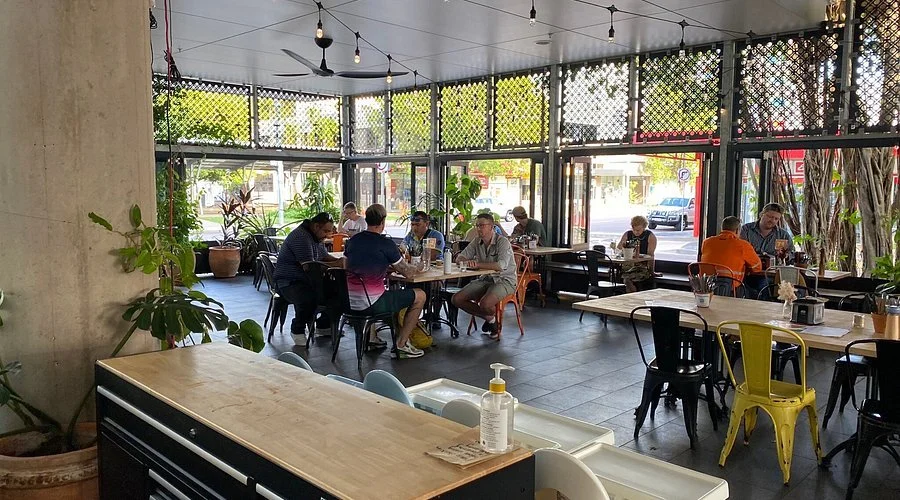
Cafe Working Capital Pre-EOFY 2026 | Switchboard Finance
 Cafe Hub
Working Capital · Pre-EOFY · Payday Super
Cafe Working Capital Before EOFY: The Budget Wage Compression Window
Payday Super lands 1 July 2026 and cafe wage cost models will compress with it. Working capital sizing under the post-Budget flow-through reads differently to the file the lender wanted 90 days ago. Here is the way it lands.
Quick Answer
Cafe working capital sizing pre-EOFY now sits on a different wage cost profile. Payday Super, landing with the new income year, compresses the cafe payroll cycle from monthly to weekly settlement. The lender file reads that compression before the limit gets set.
What changes on a cafe wage cost model from 1 July 2026
The misconception is that Payday Super just changes the payment schedule. The way these wage-cost files actually read after 1 July 2026 is different from that. From the start of the new income year, employers pay super contributions at the same time as wages, with contributions to reach the employees' nominated account within 7 business days, per the Fair Work Ombudsman.
For a cafe operator running on a monthly payroll cycle with quarterly super, the cashflow profile compresses from quarterly super outflows to weekly or fortnightly super outflows aligned to pay runs. The total annual wage cost is unchanged. What changes is the dates on which cash leaves the bank. Across the Cafe Hub book, that compression is the single biggest unforced error on pre-EOFY working capital files.
Why the lender file reads the compression differently
Lender working capital sizing models read 90 to 120 days of forward-projected wage cost run-rate. The post-July 2026 cafe wage cost model has the same total annual wage cost as the pre-July version, but the timing of cash outflow is now weekly or fortnightly rather than monthly plus quarterly. Indicative working capital facility sizing across 90 to 120 days of cafe wage cost run rate, varies by lender.
Where this commonly lands on the lender's file: that timing shift matters because it removes the buffer that quarterly super lump sums used to provide between pay runs. Hospo payroll cycle compression from monthly cadence to weekly settlement is what the assessor reads when modelling a cafe's stress profile. A facility sized off the old wage cost cadence under-models the worst weeks. A facility sized off the new cadence captures them.
ATO GIC at 10.96% per annum and why it sits on the wage file
ATO GIC at 10.96% per annum for the April to June 2026 quarter, no longer income-tax deductible from 1 July 2025 (per the ATO General interest charge rates page, last updated 6 March 2026). For a cafe operator behind on super or PAYG, the cost of delay is now post-tax not pre-tax, and the wage cost flow-through under Payday Super removes the deferral lever that some cafes have historically leaned on quarterly.
If GIC is already accruing on the cafe's ATO balance and Payday Super lands on top of it, check eligibility for a working capital facility that takes the deferral lever off the table. The 30 June 2026 BAS lodgement still anchors the 2025-26 income year for the cafe file, so the sequencing window is now, not later.
What the assessor reads on a cafe wage cost file in the first ten minutes
What lenders read on a cafe wage cost file pre-EOFY is rarely about the size of the cafe. It is about the cleanliness of the payroll and super lodgement history that the lender's analyst sees in the first ten minutes. The four line items below sit at the top of the assessor's checklist.
Payroll cadence shift
Weekly or fortnightly payroll already in place is the cleanest landing for Payday Super. Monthly payroll with quarterly super lump sums and no transition plan typically stalls the file because the assessor cannot model the post-1 July cash outflow against the current pay cycle.
Super lodgement history
Super lodgements on time across recent BAS quarters and no late penalty interest carries the file. Any late lodgements visible in the recent BAS quarters trigger an explanation request and slow the assessment, regardless of whether the underlying cafe trades well.
GIC exposure and deductibility
No GIC accruing, or any GIC fully provisioned with a payment plan in place, keeps the assessor focused on the trading numbers. Outstanding GIC accruing without a payment plan sits differently on the file now that the deductibility has been removed from 1 July 2025; the cost of delay reads post-tax not pre-tax.
BAS-to-wage ratio stability
A BAS-to-wage ratio documented and stable across the four most recent quarters lets the assessor extend the modelling forward with confidence. A volatile or sharply rising ratio without an explanation pulls the conversation back to the payroll register before the working capital math runs.
Sizing the pre-EOFY cafe working capital facility for the post-Payday-Super window
For a cafe operator sizing working capital pre-EOFY 2026, the sensible request shape is a facility scaled to 90 to 120 days of forward wage cost run rate including the Payday Super compression, with a settlement buffer for the first three payroll cycles under the new system. The exact percentage and ceiling vary by lender.
Where this commonly lands cleanest is for cafes that already run weekly or fortnightly pay cycles; the Payday Super landing is a settlement-system change rather than a cadence change for them. For cafes still on monthly cadence with quarterly super, the pre-EOFY facility should carry an additional buffer for the cadence transition itself. A business line of credit can run alongside a working capital loan where the operator needs both revolving and term capacity. For the binary comparison between the two facility types, see the cafe LOC vs working capital loan post. For the bundled cafe finance documentation set the assessor expects to see, the cafe loan pack maps the file shape against the EOFY 2026 timing.
Payday Super does not change the cafe's total wage cost. It changes the dates on which cash leaves the business and removes the quarterly-lump-sum buffer that some cafe operators have used as a working capital lever. Lender sizing models read the compressed cadence; pre-EOFY 2026 is the window where both regimes can be modelled cleanly. GIC at 10.96% per annum and no longer deductible adds urgency to the file for operators carrying any ATO arrears.
Key takeaway: Size the working capital facility for the cafe wage cost profile under Payday Super, not the one the lender is reading off your last BAS.Frequently Asked Questions
Payday Super starts 1 July 2026 for all employers including cafes, per the Fair Work Ombudsman's Payday Super page. From that date employers pay super contributions at the same time they pay wages, with contributions reaching the employee's nominated account within 7 business days. The Australian Taxation Office implements and enforces the rules, and a structured working capital facility is often the cleanest way to absorb the cadence change.
Payday Super changes a cafe's working capital needs by compressing the super payment cadence from quarterly to weekly or fortnightly, aligned to pay runs. The total annual wage cost is unchanged, but cash leaves the business across many more dates each quarter, removing the quarterly-lump-sum buffer that some cafe operators have leaned on. For the operator stack-level view across refinance and restructure, see the 2026 cafe operator decision tree.
A cafe working capital loan settled before 30 June 2026 lands the facility on the 2025-26 income year and on the pre-Payday-Super wage cost profile; a facility settled from 1 July 2026 lands on the new income year and on the compressed wage cost cycle. For most established cafe operators with steady BAS run-rates, the pre-EOFY 2026 sizing reads cleaner because the lender can model both regimes. For the binary facility choice between revolving and term, see the cafe LOC vs working capital loan comparison.
The ATO General Interest Charge is 10.96% per annum for the April to June 2026 quarter, no longer income-tax deductible from 1 July 2025, per the ATO general interest charge rates page. For a cafe operator carrying late super or PAYG balances, the cost of the delay is now post-tax not pre-tax. This makes a structured working capital facility a cleaner alternative to GIC accrual, especially under the compressed Payday Super cadence.
Payday Super is legislated and starts 1 July 2026, per the Fair Work Ombudsman. The Treasury Laws Amendment (Payday Superannuation) Act 2025 and the related Superannuation Guarantee Charge Amendment legislation give it effect. The ATO has confirmed a measured compliance approach in the first 12 months after the change starts. The cleanest preparation is to align the cafe's payroll cadence and any associated line of credit sizing to the new weekly settlement rhythm.

 FBAA Accredited
