
Owner-Occupier Cafe Premises Purchase After Budget 2026-27
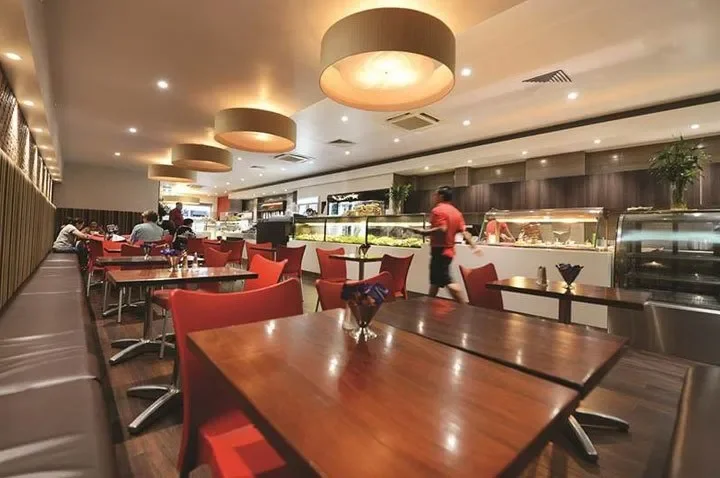
Cafe Premises: Owner-Occupier Path | Switchboard Finance
 Cafe Hub
Cafe Hub · Owner-Occupier · Lender Posture · Budget 2026-27
Owner-Occupier Cafe Premises Purchase After Budget 2026-27
The owner-occupier file for a cafe premises purchase reads differently to a residential loan. After Budget 2026-27, trust structure, CGT and negative gearing overlays now sit on the same file the lender sees first.
Quick Answer
For a cafe operator buying their premises through an owner-occupier commercial property loan, the lender reads the trading entity before the property valuation. After Budget 2026-27, the trust structure decision and the negative gearing decision both sit on the same file, with the announced Coalition policy contrast on the table.
What the cafe owner-occupier file looks like to a lender on day one
An owner-occupier commercial property loan for a cafe operator is underwritten as a business loan with property security, not as a residential mortgage with a different label. The lender reads the trading entity's BAS run-rate, the operator's experience, and the cafe site fit before the property valuation runs. From the underwriter's seat, that is what reads first on the file.
Indicative LVR 65 to 75% on a cafe owner-occupier commercial property loan, varies by lender and security. Term typically 15 to 25 years, with interest-only periods available in early years, varies by lender. The security against the cafe premises is one input, but it does not lead the assessment. The trading entity does.
Trust structure, post-Budget, what changed and what did not
A trading Pty Ltd as the operating company, with a separate property entity (typically a discretionary trust with a corporate trustee) holding the cafe property under a related-party arm's length lease, remains the most common pattern. The structure separates property risk from trading risk and simplifies a future sale of either leg.
What changed after Budget 2026-27 is the 30% minimum tax on discretionary trusts from 1 July 2028 per Budget 2026-27, with the announced Coalition policy contrast on the table. The rollover relief window of 1 July 2027 to 30 June 2030 provides a structural backstop for operators who need to restructure across the pivot. Across cafe owner-occupier files this cycle, the entity sequence still resolves the same way for the majority of operators, but the modelling has more layers than it did 12 months ago.
Negative gearing on the cafe-plus-investment-property leg, the new overlay
For cafe operators who hold investment property alongside the business, negative gearing limited to new builds from 1 July 2027 per Budget 2026-27 reshapes the borrowing-capacity conversation. Existing arrangements unchanged for properties held before Budget night. Investors who buy established housing after that date can still deduct losses against residential property income, with carry-forward of unused losses but no offset against wages or other income. The announced Coalition policy contrast is on the table.
Where this commonly affects the cafe operator's file is the second-property purchase that was previously modelled on the legacy negative gearing framework. The sensible move pre-contract is to re-model the borrowing capacity against the legislated framework, not the assumed one. If you are sequencing the cafe premises purchase across structuring decisions that the post-Budget overlays now reshape, check eligibility before you sign the contract, not after.
CGT pivot at 1 July 2027 on the cafe premises itself
For a cafe operator buying premises now and holding across the legislated 1 July 2027 CGT pivot per Budget 2026-27, gains accrued to 1 July 2027 keep the 50% CGT discount, and gains from 1 July 2027 apply cost-base indexation plus 30% minimum tax. The operational implication is straightforward: commission a 30 June 2027 valuation while the asset is held, so the cost base for the post-pivot regime is established and defensible. With the announced Coalition policy contrast on the table.
Capital works depreciation sits alongside this conversation as Division 43 territory, varies by asset class and construction date. For a cafe premises purchase that includes a fit-out component or recent capital works, the depreciation schedule belongs on the post-acquisition cashflow model. Operators planning a refurbishment after the purchase should also see the path laid out in refinancing your cafe property for refurbishment.
Red flags and green flags on the lender's desk
The lender's desk typically sorts a cafe owner-occupier file into one of two profiles: the file the lender can move on this week, and the file that needs three weeks of chasing before it gets there. The categories below are what separates them.
Green flag, accelerates the file
- Trading history: 2+ years consistent BAS lodgements, on time
- Site fit: operator buying the premises they have leased and traded successfully from
- Entity structure: resolved before contract, valuation, lender file
- Insurance schedule: mortgagee endorsement, BIA and public liability all in place pre-settlement
- Capital works depreciation: Division 43 territory modelled into post-acquisition cashflow
Red flag, slows or fails the file
- Trading history: first-year trading, no full BAS year
- Site fit: operator buying a site they do not currently lease and have not traded from
- Entity structure: open question at offer time
- Insurance schedule: quoted but not in place
- Capital works depreciation: not modelled into post-acquisition cashflow
For the cafe operator who wants the full pre-acquisition workflow from offer to settlement, the cafe acquisition finance playbook sets out the sequence the lender file expects. For operators sequencing a cafe purchase now and a home loan in the next 12 to 18 months, the One Doc to Full Doc refinance path is the parallel read.
The cafe owner-occupier file is read from the trading entity outwards, not the property inwards. Trust structure, the 1 July 2027 CGT pivot, and the negative gearing change on any investment property leg now sit on the same file the lender reads on day one. The structuring decisions land cleaner when they are made before contract, not after.
Key takeaway: Decide the entity that signs the loan before the offer goes in, not after the contract has been exchanged.Frequently Asked Questions
On a cafe owner-occupier commercial property file, the lender reads the trading entity's BAS run-rate and the operator's site-experience first, before the property valuation runs. The file shape sits closer to a business loan than a residential mortgage, even though the security is bricks. Indicative LVR 65 to 75% on a cafe owner-occupier commercial property loan, varies by lender and security.
Most accountants in the cafe space recommend a separate property entity (typically a discretionary trust with a corporate trustee) rather than buying inside the trading Pty Ltd. This separates property risk from trading risk and simplifies a future sale. After Budget 2026-27, the 30% minimum tax on discretionary trusts from 1 July 2028 sits on this decision, with the announced Coalition policy contrast on the table.
After Budget 2026-27, negative gearing is limited to new builds for properties acquired from 1 July 2027 onwards (see the Budget 2026-27 tax reform overlay for the full measure). Existing arrangements remain unchanged for properties held before Budget night. For a cafe operator who holds established investment property and buys more from 1 July 2027, losses can be deducted against residential property income only, carried forward, but not offset against wages or business income. The announced Coalition policy contrast is on the table.
Commission a 30 June 2027 valuation if you are holding the cafe premises across the legislated 1 July 2027 CGT pivot. The valuation establishes the cost base for gains arising from 1 July 2027 onwards under the new indexation-plus-30%-minimum-tax regime. Gains accrued to 1 July 2027 retain the 50% CGT discount. For the parallel pre-acquisition sequence from offer through settlement, see the cafe acquisition finance playbook.
An owner-occupier cafe commercial property loan finances the cafe premises itself, secured against the property and underwritten on the trading entity's BAS run-rate; a One Doc Home Loan finances the operator's residence using a single BAS instead of two years of tax returns. The two facilities can sit in the same operator's stack but the lender posture and security on each is distinct. For the sequencing read on the One Doc side, see the One Doc to Full Doc refinance path for cafe operators.

 FBAA Accredited
