
Non-Bank Lenders in Sydney: What Changes in New South Wales
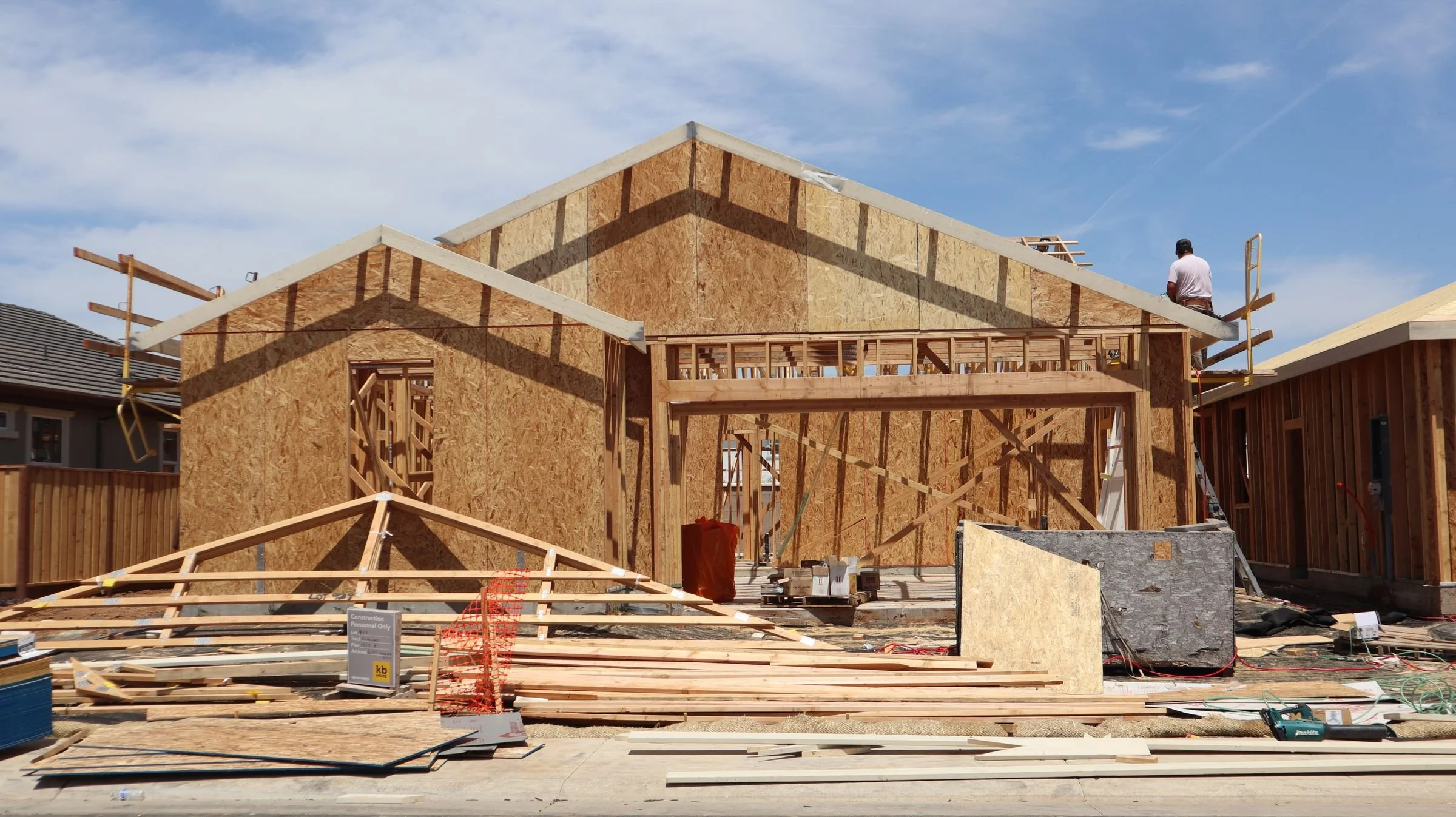
Using a non-bank lender for Sydney property? Check NSW land tax, CPI-indexed duty, how lenders read your postcode and electronic settlement first.
 Business Owners Hub
Non-Bank Lenders Sydney · NSW Costs · Electronic Settlement
In Sydney the lender is rarely the slow part. The NSW costs on the property and the security itself usually set the timetable, so check them before you approach a non-bank lender.
Quick Answer
Before you approach a non-bank lender for a Sydney property loan, check the NSW duty and land tax on the property, how lenders view its postcode and type, and that your settlement can run electronically. Then build a file the lender can read in one pass. The non-bank lender policy matrix shows what each lane accepts, and private lending covers the property-secured options.
Also called: non-bank lenders NSW, alternative lenders Sydney, specialist lenders Sydney. All three describe lenders that do not take deposits and lend under their own policy; most assess nationally, and here the security is NSW property.
What do Sydney and NSW business owners use non-bank lenders for?
Sydney and NSW business owners mostly use non-bank lenders for property-secured borrowing a bank will not do on its terms: buying commercial or industrial property, refinancing out of a bank, holding investment property in a company or trust, and development or site purchases. In practice, the file that lands with a non-bank is usually a sound deal with one feature the bank's checklist does not fit, such as a recent ABN, a trust structure, tax returns running behind or a property type the bank is cautious about. Whether a non-bank suits your file at all is covered in non-bank lender or bank.
| Purpose | Typical security | What the non-bank checks first |
|---|---|---|
| Buying commercial or industrial property | The property being bought, sometimes with a second property as extra security | Whether the price stacks up against the valuation, the deposit and costs you already hold, and how the loan is repaid |
| Refinancing out of a bank | The existing property | Why the bank no longer fits, conduct on the current loan and the exit; see how a non-bank reads a commercial file after a bank decline |
| Investment property held in a company or trust | Residential or commercial investment property | The structure, who guarantees, and whether rent and business income typically cover the repayments |
| Development or site purchase | The site, often with another property alongside | Approvals, the plan for the site and a realistic exit; see development finance |
| Western Sydney industrial site | Warehouse, factory or industrial land | Zoning, the building's use, owner-occupier or tenant, and how specialised the building is |
For the product side, commercial property loans and warehouse and industrial property loans go deeper, and private lending covers the short-term, property-secured end of the market. Home loans for self-employed Sydney borrowers are a separate question, answered in low doc home loans in Sydney. The NSW Small Business Commissioner makes the same point from the other side: for some businesses, a non-bank lender may be the only available source of funding.
Which NSW costs should you budget for before a non-bank property loan?
Before a non-bank property loan, budget for NSW transfer duty on a purchase, plus legal, valuation and lender fees, because the lender lends against the property and expects the rest of the cash to come from you. On a purchase, duty is usually the largest of these, and duty thresholds move each year with CPI, so a figure you remember from last year is not a safe number to plan around.
- Transfer duty. Charged on most property purchases in NSW. Revenue NSW publishes the current thresholds and a calculator; run your contract price through it before you commit.
- Lender fees. Establishment, valuation and legal fees typically apply on a non-bank loan, and they vary by lender. Ask for them in writing with the indicative offer.
- Your own legal and conveyancing costs. Contract review, searches and settlement work on your side of the deal.
- The valuation gap. The lender orders its own valuation, and the value it accepts sets the loan-to-value ratio. If it comes in below the price you agreed, the difference comes from you.
- Holding costs. Land tax, council rates and insurance, which the lender expects you to meet alongside repayments.
To a credit assessor, a file that shows these costs already funded reads as a borrower who has done the arithmetic. A file that needs the lender to stretch for duty reads the other way. How duty applies to your purchase, including any exemption or concession, is a question for your accountant, and the contract terms are a question for your solicitor.
How does NSW land tax affect a property you borrow against?
NSW land tax affects a property you borrow against as a yearly holding cost: once your total taxable land sits above the threshold, the bill runs alongside your repayments, and a lender may count it when it tests whether the loan is affordable. It is charged on the value of taxable land above the general threshold, with a higher premium rate above a second threshold, so the more property you hold, the more it matters to a lender's serviceability test. Your home is usually exempt, and land held in some trusts can be taxed without the benefit of the threshold, so how it applies to your structure is a question for your accountant.
| NSW rule | Current position (Revenue NSW) | Why it matters for your loan |
|---|---|---|
| General land tax threshold | $1,075,000 (2024 onwards) | Above it, land tax becomes a yearly holding cost a lender may count when testing repayments |
| Premium land tax threshold | $6,571,000 | Larger holdings pay a higher rate, which lifts the holding cost the lender sees |
| Transfer duty thresholds | Adjusted each year in line with CPI | Last year's duty figure may not match this year's, so recheck before you sign |
Sources: Revenue NSW, Land tax thresholds and rates, last updated 16 March 2026. Revenue NSW, Calculate transfer duty, last updated 6 October 2026. Both read 9 October 2026.
The usual sticking point is whether the land tax notice matches what you have told the lender. If you hold several properties, an unpaid land tax balance or a missing notice raises a question about the rest of your holdings, and that question slows the file more than the tax itself. If you are not sure where your file sits, check eligibility before you approach a lender.
How do non-bank lenders treat Sydney, Western Sydney and regional NSW property?
Non-bank lenders treat Sydney, Western Sydney and regional NSW property differently through postcode policies and maximum loan-to-value ratios set by location, so the same loan can be simple in one suburb and harder in another. In Sydney the security sets the pace: property in established metro suburbs typically suits the widest group of lenders, while regional towns, specialised buildings and unusual properties narrow the panel and can lower how much a lender will advance, varying by lender.
Western Sydney industrial property is a common non-bank security, and lenders typically weigh zoning, the building's use and how easily it would sell to another buyer. Regional NSW is covered in more depth in regional property finance, and private lending in Sydney sets out how property-secured lenders read a Sydney deal. For the wider picture by property type, see the Property Lending Hub.
Do non-bank lenders accept Sydney strata units as security?
Many non-bank lenders accept Sydney strata units as security, but small units, serviced apartments and some high-density buildings often face tighter limits or are excluded, and the rules vary by lender. Sydney has a large share of apartment stock, so this is a question that decides more Sydney files than it does in most other markets.
What a lender typically weighs is the unit's internal size, how many units sit in the building, whether the unit is part of a serviced or holiday letting arrangement, and how easily it would sell to an ordinary buyer. Strata commercial units, such as an office or a showroom in a strata scheme, are read on similar lines, with the building's use and tenancy added. Check the unit's size and the building's type early, before you pay for a valuation, because a unit outside a lender's policy is usually declined on the security alone, whatever the income looks like.
How do settlement, registration and discharge work in NSW?
In NSW, settlement, registration and discharge all run through electronic lodgement: according to the NSW Registrar General, since 11 October 2021 all land transactions that need lodging with NSW Land Registry Services must be done electronically, and paper certificates of title no longer play a part. NSW settles electronically, no paper title, so your solicitor or conveyancer and the lender's lawyers settle in a shared electronic workspace instead of swapping documents across a table. See settlement for what happens on the day.
- Indicative offer and valuation. The lender sets out terms and orders its valuation.
- Formal approval and loan documents. Your solicitor reviews the documents and any guarantees.
- Settlement booked electronically. Both sides' lawyers prepare the transaction in the electronic workspace.
- Settlement and registration. Funds move and the mortgage is registered on title.
- Discharge when you repay. The lender prepares and lodges the discharge of mortgage.
That last step matters on a refinance. NSW Land Registry Services guidance has the outgoing mortgagee prepare and lodge the discharge, so the timetable depends partly on how quickly the old lender issues its payout figure. Ask for it before you sign with the incoming lender. If a second mortgage sits behind the first, consent from the first lender comes into play, covered in second mortgages in Sydney and NSW.
Where do you go if something goes wrong with a non-bank lender in NSW?
If something goes wrong with a non-bank lender in NSW, start with the lender's own complaints process, then go to the Australian Financial Complaints Authority if the lender is a member, and check that membership before you sign, because not every non-bank lender belongs. The NSW Small Business Commissioner notes that alternative lenders may not offer the same level of consumer protections as traditional banks, and that banks are required to be AFCA members. So ask whether your lender is an AFCA member at the start, not after a dispute begins.
Business-purpose loans carry less protection again. ASIC's page on commercial loan disputes says commercial loans have the lowest level of protection, and a lender that only writes commercial loans does not need a credit licence. AFCA also limits the size of small business credit facility it can consider, so check its rules if your loan is large. The private mortgage lenders guide sets out how regulation works at the private end of the market.
What can the NSW Small Business Commissioner do?
The NSW Small Business Commissioner offers low-cost mediation for business disputes, and its own article on non-bank lending points borrowers towards checking protections and AFCA membership first. It is not a lender regulator, so confirm your dispute falls within its scope before you lodge. Whether your loan is regulated, and what that changes legally, is a question for your solicitor.
What should be in your file before you approach a non-bank lender in Sydney?
Before you approach a non-bank lender in Sydney, your file should hold the property details, the contract or current loan statement, rates and land tax notices, recent BAS, business bank statements and a written exit plan. A complete file lets the lender's credit team read the deal in one pass, which is usually what keeps a Sydney timetable on track.
- Property. Address, title details, property type, any strata or zoning information, and a recent valuation if you have one.
- Contract or current loan. The signed contract and settlement date for a purchase, or the current statement and a payout estimate for a refinance.
- Rates and land tax notices. The latest council rates and any NSW land tax notice, with nothing overdue.
- BAS and bank statements. Recent BAS and business bank statements that support the income story you are telling.
- Structure. Company or trust details, and who will guarantee.
- Exit plan. A few lines on how the loan is repaid or refinanced; see exit strategy.
What to check
- Duty run through the Revenue NSW calculator
- Land tax notices current and paid
- Property type and postcode tested against lender policy
- Payout figure requested from the current lender
- Lender's AFCA membership confirmed
Why it matters in NSW
- Unbudgeted duty leaves a cash gap at settlement
- Land tax arrears raise questions about every holding
- Strata or zoning surprises surface after the valuation
- A slow discharge holds up an electronic settlement
- A non-member lender leaves fewer places to take a dispute
The lender is usually ready before the borrower is. If the property is in Victoria, non-bank lenders in Melbourne covers the state rules there. For home loans, the document pack in the Sydney low doc home loan guide covers what to send. To see which lenders accept what, the lender matrix and the non-bank lender policy matrix set out each lane, or start a conversation with the file you have.
In Sydney the lender is rarely the slow part. Non-bank lenders assess NSW borrowers much as they assess anyone else, but NSW duty, land tax, how the lender views the property's location and type, and electronic settlement decide the cash you need and the timetable. Check those first, ask whether your lender is an AFCA member, and arrive with a file that answers the lender's first questions.
Key takeaway: price the NSW costs and test the security before you choose a lender, not after.Frequently Asked Questions
There are non-bank lenders that lend to Sydney business owners, though most assess files online and lend nationally rather than from a Sydney branch. What matters is whether the lender's policy fits your property, structure and income, not where its office is. The non-bank lender policy matrix shows what each lending lane accepts.
You can get non-bank property loans in Sydney for commercial and investment property, and these are among the most common reasons business owners use a non-bank. The lender typically looks at the property type, its location, your structure and the exit before it talks about price. Commercial property loans covers the product side.
You can refinance a Sydney commercial property to a non-bank lender, typically when a bank review, an expiring term or a change in the business means the bank no longer fits. In NSW the outgoing lender prepares and lodges the discharge, so ask early for its payout figure. How a non-bank reads a commercial file after a bank decline sets out the lender's view.
NSW land tax can count against your borrowing, because lenders treat it as a holding cost you must meet alongside repayments when they test affordability. A large bill or unpaid balance can reduce what a lender is comfortable advancing, and how it is weighed varies by lender. Serviceability explains how that test works.
Electronic settlement is effectively compulsory for a Sydney property loan, because since 11 October 2021 all land transactions that need lodging with NSW Land Registry Services must be lodged electronically. Your solicitor or conveyancer and the lender's lawyers settle through a shared electronic workspace. Settlement covers what happens on the day.

 FBAA Accredited
