
One Doc Home Loans for Café Owners (2026)
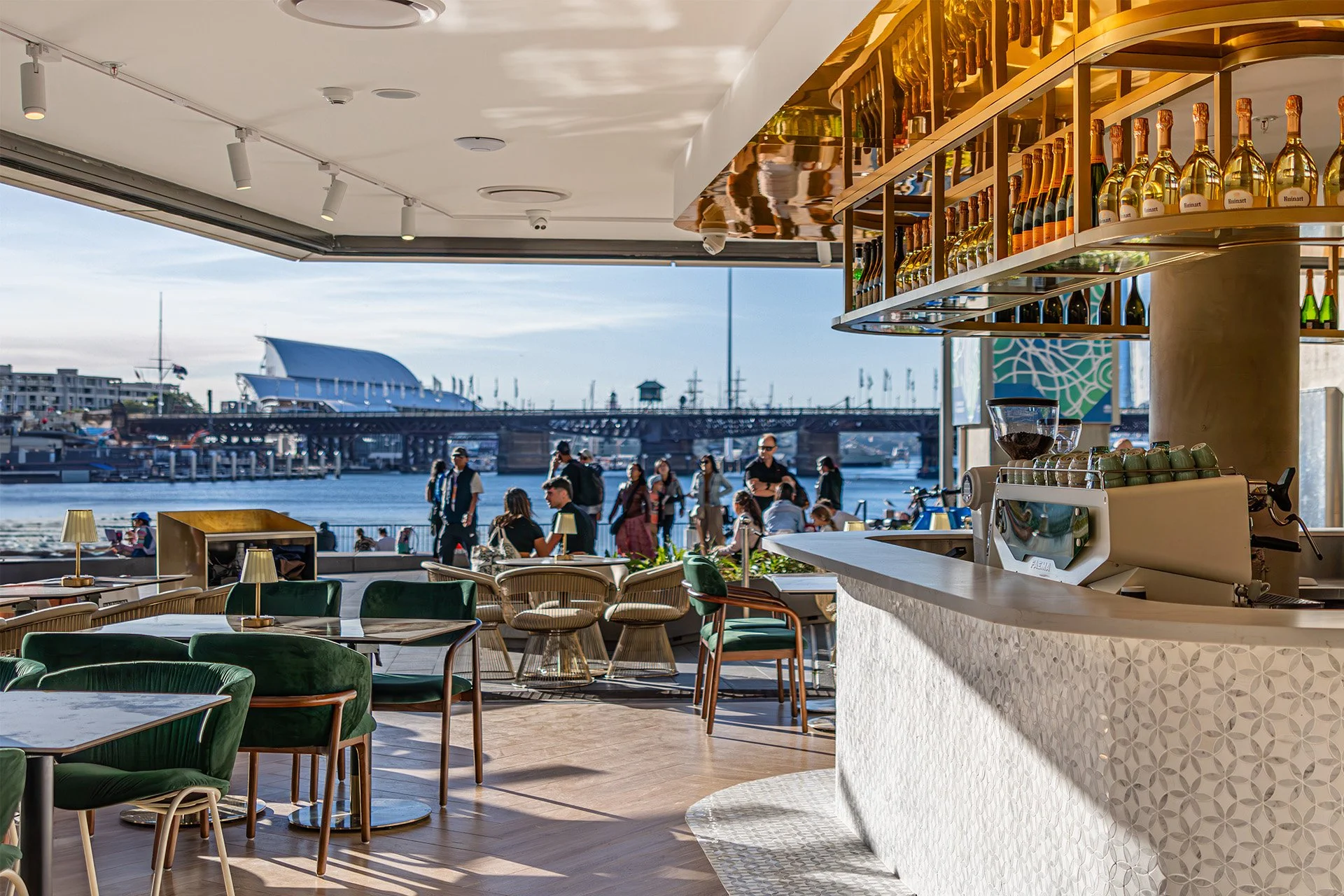
One doc home loan for café owners and hospitality business operators – Switchboard Finance
 Café Hub
One Doc Home Loan · Self-Employed · Hospitality
One Doc Home Loans for Café Owners
Your café deposits six figures in merchant revenue every year — but your tax return tells a different story. A One Doc home loan uses that merchant data as income verification, so you qualify on the revenue your business actually generates.
Quick Answer
A One Doc home loan lets café owners verify income using merchant settlement statements instead of tax returns or full financials. Lenders assess your EFTPOS and card transaction volume as proof of revenue, which typically shows a higher income position than your taxable figure reflects.
Why Café Revenue and Taxable Income Tell Different Stories
Café owners carry heavy pre-tax deductions. Equipment depreciation, lease payments, superannuation, stock write-offs, and accounting fees compress your taxable income well below what your business actually generates. That is smart tax planning — but it creates a problem when you apply for a standard home loan, because traditional lenders assess your borrowing capacity against the taxable figure on your most recent return.
Consider a café owner running a single-location venue with consistent merchant turnover. Their bank statements show strong daily settlement volumes from EFTPOS, card payments and online orders. Their BAS reflects healthy GST obligations. But their tax return — after depreciation on kitchen equipment, a vehicle for deliveries, accountant fees and super contributions — shows a taxable income that a mainstream lender would struggle to approve a home loan against.
This gap between actual revenue and taxable income is not a red flag. It is the structural reality of running a hospitality business with proper tax planning in place. The One Doc home loan exists precisely for this scenario — it uses a single document (your merchant settlement statement or accountant's declaration) to verify income, bypassing the tax return entirely.
What the Lender Actually Sees in Your Merchant Data
The lender is not looking at your total gross revenue and assuming you can service a loan on that figure. They apply a formula — typically assessing a percentage of your gross merchant turnover as assessable income — to arrive at a servicing figure that accounts for business operating costs. The exact percentage varies by lender and by the type of hospitality business, but the methodology is standardised across the non-bank panel.
For a café, the lender will look at your EFTPOS and card settlement data across a recent period — usually the most recent quarter or six months. They want to see consistency in daily settlement volumes without large unexplained gaps. Seasonal dips (a quieter January, for example) are expected and factored in. What the lender does not want to see is volatile swings that suggest the business is unstable or recently launched.
| What the lender checks | Why it matters for café owners |
|---|---|
| Merchant settlement consistency | Daily card/EFTPOS deposits should show a steady pattern — hospitality lenders expect weekend spikes and mid-week troughs |
| Trading period | Most lenders require a minimum trading history (varies by lender) with an active ABN and GST registration |
| Existing debt commitments | Any equipment finance, vehicle loans or business line of credit facilities are factored into the servicing calculation |
| Deposit and LVR | One Doc loans typically require a larger deposit than full-doc loans — the reduced documentation means the lender compensates with equity |
| Clean credit history | No defaults, no judgements, no outstanding ATO debts on your credit file — this is non-negotiable regardless of revenue |
The reason this works for café owners specifically is that hospitality businesses generate a high proportion of their revenue through card transactions. A plumber or electrician might receive a mix of cash, bank transfers and invoiced work — harder to verify with a single merchant statement. A café's revenue is overwhelmingly captured through the merchant terminal, which gives the lender a clean, verifiable data trail. This is why traditional banks struggle with café applications — they are not set up to read merchant data as income verification.
Where a One Doc Fits a Café Owner — and Where It Gets Tricky
A One Doc home loan is a stronger fit when your merchant revenue clearly supports the loan amount and your business has an established trading pattern. It gets tricky when there are gaps in the trading record, multiple entities muddying the income picture, or a deposit position that does not offset the reduced documentation.
Stronger Fit
- Single café with consistent merchant turnover across 12+ months
- Clean credit history — no defaults, no ATO debt
- Deposit at or above the lender's One Doc LVR threshold
- One ABN, one business entity — straightforward structure
- Existing relationship with a broker who knows non-bank panels
Gets Tricky
- Recently opened venue with limited trading history
- Revenue split across multiple entities or ABNs
- High cash-to-card ratio making merchant data incomplete
- Existing defaults or ATO payment plans on credit file
- Deposit below the One Doc minimum — LVR too high
If your situation falls into the "gets tricky" column, it does not necessarily mean a One Doc is off the table — it means the application needs positioning. A broker who understands the non-bank panel can identify which lenders have flexibility on specific criteria. For example, some lenders will accept a shorter trading period if the merchant volume is strong, while others are strict on tenure but more flexible on LVR. Check your eligibility to see where you stand before committing to a full application.
One Doc vs Full Doc vs Low Doc: Which Path for a Café Owner
The three main documentation pathways for a self-employed home loan each serve a different borrower profile. Full doc gives you the widest lender choice and lowest rates but requires tax returns and full financials. Low doc reduces the paperwork but still requires an accountant's letter or BAS verification. One Doc strips it to a single merchant statement — the fastest path for café owners whose revenue is card-dominant.
| Feature | Full Doc | Low Doc | One Doc |
|---|---|---|---|
| Income verification | Tax returns + financials | Accountant's letter or BAS | Merchant statement only |
| Typical LVR cap | Up to 95% (with LMI) | Up to 80% (varies) | Lower — lender-specific |
| Rate positioning | Lowest available | Slight premium | Higher premium |
| Speed to approval | Slowest — document gathering | Moderate | Fastest for café owners |
| Best for | Owners with up-to-date returns | Owners with accountant access | Café owners with strong merchant data |
The rate premium on a One Doc product is the trade-off for reduced documentation — you are paying for convenience and speed. For many café owners, the premium is worth it because their tax return does not reflect their actual capacity to service a loan, and waiting 6–12 months for an accountant to finalise returns means missing the property they want to buy. ASIC's MoneySmart site has comparison tools for understanding home loan rate structures if you want to benchmark the premium against mainstream products.
Some café owners start on a One Doc product and refinance to a full-doc loan once their returns catch up with their trading revenue. This "start and refinance" approach is common in hospitality — you secure the property now using merchant data, then restructure to a lower-rate product within a couple of years. Your broker should model both scenarios so you understand the total cost. For how the broader café cashflow picture feeds into this decision, see the café cash flow pack.
What to Prepare Before You Apply
A One Doc application is lean on paperwork — that is the point. But "lean" does not mean "no preparation." Having the right documents ready before you contact a broker means the application can be submitted and assessed in days rather than weeks.
One Doc Pre-Application Checklist for Café Owners
- Most recent merchant settlement statements covering the lender's required period — downloaded from your payment provider (Tyro, Square, Zeller, bank terminal), not hand-typed
- Current ABN registration details and GST status confirmation
- Proof of identity (driver's licence + passport or Medicare card)
- Details of the property you intend to purchase or evidence of pre-approval purpose
- Summary of existing debts — any asset finance, vehicle loans, credit cards, or business lending
- Deposit evidence — savings account statements, equity in existing property, or gifted deposit documentation
- Contact details for your accountant (some lenders may request a brief confirmation even on a One Doc application)
The most common stall point on café One Doc applications is the merchant data itself — not having enough months of data, or providing statements that are manually compiled rather than direct exports from the terminal provider. Lenders want system-generated reports because they cannot be edited. If your merchant provider allows you to download PDF settlement reports directly from their portal, that is the format to use. Café owners in the Northern Melbourne corridor should note that several local accountants already have experience supporting One Doc applications for hospitality clients, which can speed up any verification queries the lender raises.
Café owners earn in merchant revenue, pay tax on a compressed figure, and then get assessed by mainstream lenders on the compressed number. A One Doc home loan breaks that cycle by using your card settlement data as the income proof — the same data your bank sees every day when those deposits land. The rate premium exists, but for café owners locked out of full-doc lending because of legitimate tax deductions, it is the clearest path to a property purchase without waiting for returns to catch up to reality.
Key takeaway: If your merchant terminal tells a stronger story than your tax return, a One Doc home loan lets the lender read the right page.Frequently Asked Questions
A One Doc home loan is a low doc mortgage product that verifies your income using a single document — typically a merchant settlement statement, accountant's income declaration, or BAS — instead of requiring full tax returns and financial statements. It is designed for self-employed borrowers whose taxable income does not accurately reflect their business revenue due to legitimate deductions. Non-bank lenders on the broker panel offer these products specifically because mainstream banks require full financials that disadvantage business owners with heavy depreciation, lease costs and super contributions. See the One Doc home loan overview for product details.
Café owners are among the strongest candidates for One Doc home loans because hospitality businesses generate the majority of their revenue through card and EFTPOS transactions, which creates a verifiable merchant data trail. Lenders assess a percentage of your gross merchant turnover as assessable income. You need a clean credit history, an established trading period, and a deposit that meets the lender's LVR requirement. If your café's cashflow is consistent and card-dominant, the One Doc pathway is built for your profile.
One Doc home loans typically require a larger deposit than standard full-doc mortgages. The exact deposit requirement is lender-specific and varies depending on the property type, location and your overall borrower profile. As a general guide, expect to need a meaningfully higher equity contribution than you would for a PAYG borrower's home loan — the reduced documentation means the lender manages risk through the loan-to-value ratio rather than through extensive income verification. Your broker can confirm the exact deposit threshold for the lender that best fits your situation. Secured loan structures mean the property itself also serves as collateral.
One Doc home loan rates carry a premium over standard full-doc products because the lender is accepting reduced income verification. The premium varies by lender and by your deposit size — a stronger equity position can reduce the rate loading. Many café owners accept this premium because their tax return understates their income to the point where they cannot access full-doc lending at all, making the rate comparison academic. A common strategy is to secure the property on a One Doc product now and refinance to a lower-rate full-doc loan once your returns are updated. See the café cash flow pack for how to model repayments against your actual business revenue.
Multi-site café owners can use a One Doc home loan, but the application needs careful structuring. If both venues operate under the same ABN and the merchant data is consolidated, it is straightforward. If each café runs through a separate entity or ABN, the lender may need to assess each revenue stream independently, which can complicate the single-document verification model. A broker experienced with hospitality clients can consolidate the merchant data narrative across multiple venues so the lender sees one coherent income picture. For the broader finance considerations of running multiple venues, see opening a second café location.

 FBAA Accredited
