
Residential Security or Commercial Security on a Purchase
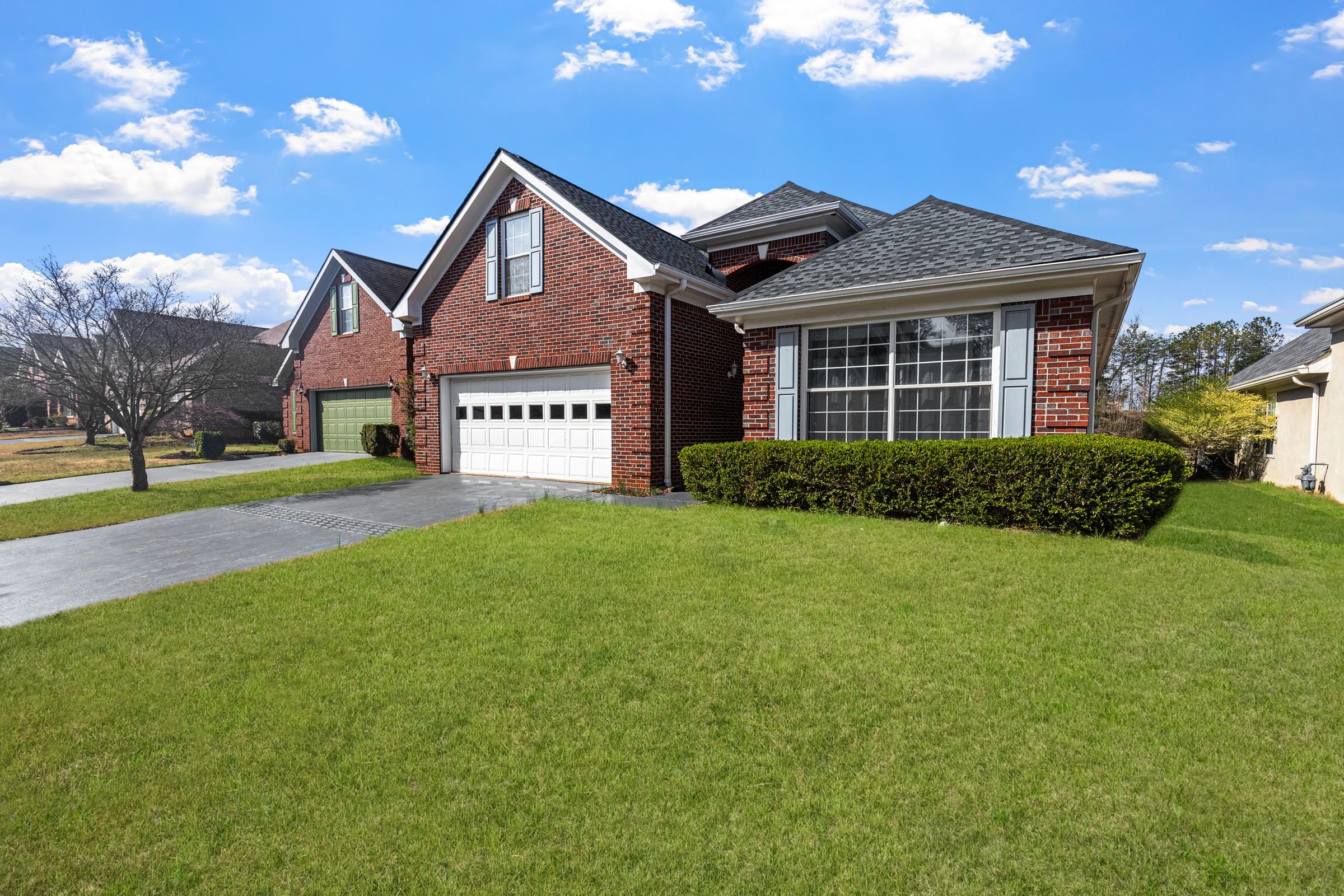
What changes when a commercial purchase is secured by your home instead of the building you are buying, and what it costs you in flexibility.
 Property Lending Hub
Security Type · Cross Collateralisation · Commercial Purchase
Residential Security or Commercial Security on a Purchase
There are two ways to secure the same commercial purchase, and they are not interchangeable. Which asset carries the mortgage changes the borrowing ceiling, the valuation basis, and what you are free to do with either property afterwards.
Quick Answer
A commercial property loan can be secured by the building you are buying, by residential property you already own, or by both. The security type changes the borrowing ceiling, the valuation basis and how freely you can sell or refinance later, so it is a structural decision rather than a paperwork one.
Also called: cross collateralisation, mixed security.
Can you use residential property as security for a commercial loan?
Yes. Residential property can be used as security for a commercial loan, and on a first commercial purchase it is one of the most common structures there is. A lender takes a mortgage over residential property you already own, either instead of the commercial asset or alongside it, and the facility is still written as commercial lending because the purpose of the funds is commercial.
That gives you three practical shapes. A commercially secured deal puts the mortgage over the building you are buying and nothing else. A residentially secured deal puts it over the home or an investment property and leaves the commercial asset unencumbered. A mixed structure puts it over both, which is where most owner occupier purchases actually land when the cash contribution is short.
The label on the facility does not change across those three. What changes is the asset the credit team is underwriting. On a purchase file, what lenders actually look at first is not the price you agreed. It is which asset they would be selling if the file went wrong, how long that sale would take, and how confident they are in the number a valuer would put on it. Everything else in the decision follows from that.
What changes when the security is commercial instead of residential?
Commercial security changes the borrowing ceiling, the valuation basis, and the assumptions the lender makes about how quickly the asset could be sold. A house in a suburb with recent comparable sales is a liquid, well evidenced asset. A warehouse, a consulting suite or a strata unit is valued on its income and its market depth, both of which are narrower.
That difference shows up first in the ratio. Lenders will typically look at a lower loan to value ratio on commercial security than on residential security, and the gap varies by lender and by property type. It shows up second in the valuation itself, where the commercial number rests on the lease and the tenancy rather than on comparable sales alone. It shows up third at the back end, when you want to sell one asset and the loan is sitting across two.
| What is being tested | Residential security | Commercial security |
|---|---|---|
| Maximum borrowing signal | Typically the higher ratio of the two, because the asset is liquid and well evidenced | Typically a lower ratio, and the ceiling moves with property type and location |
| Valuation basis | Comparable sales in the same market, usually with a deep sample | Income and lease terms first, comparable sales second, with a thinner sample |
| What happens if the business slows | The exposure sits against the family home, and the pressure lands at home | The exposure stays with the business asset, and the home is outside the file |
| What happens when you want to sell | The sale of the home usually needs the commercial debt dealt with first | The commercial asset can generally be sold and the debt discharged on its own |
| Release and substitution | Releasing the house is a fresh credit decision, not an administrative step | Substitution is simpler, because there is only one security to reassess |
How much can you borrow against each type of security?
Your borrowing capacity is set by the weakest security in the mix, not the strongest. Lenders assess each property on its own ratio, then add the results together to get the total lending available, which is why adding a second property does not always add as much capacity as owners expect.
Residential security typically supports the higher of the two ratios. Commercial security supports less, and the ceiling moves again depending on whether the property is a standard industrial shed, a specialised building or a strata unit. Where a mixed structure helps is at the margin: the residential asset carries the part of the debt the commercial asset cannot, which is often the difference between a deal that funds and a deal that does not.
The second constraint is serviceability, and it does not move at all with the security type. Adding the house to the security pool does not add income. If the business cannot evidence the repayments, more security is not the fix, and pushing on it usually produces a bigger deposit request rather than an approval. If you want a read on which of the two constraints is actually binding on your file, check eligibility before you sign a contract, not after.
For a wider view of how the borrowing ceiling interacts with pricing across the market, the current commercial property loan rate picture in Australia covers the ground this post deliberately leaves alone.
Does putting up the family home get you a cheaper loan?
Usually it does buy finer pricing, and the real question is whether the flexibility you give up is worth the saving. Pricing on residentially secured commercial lending is typically finer, indicative only, because the lender is holding an asset it can value confidently and sell quickly. That is the whole mechanism, and it is worth being clear eyed that you are paying for the margin with optionality rather than with cash.
It is also worth separating the margin from the market. The cash rate set by the Reserve Bank of Australia moves the base that everything is priced off, but it is not what sets the spread on a commercial file. The spread is set by the security type, the ratio, how the income is evidenced and which lender you walked into. Two owners buying identical units in the same complex on the same day can be priced differently, and none of that difference comes from the cash rate.
So the honest way to run the comparison is to price the deal both ways, then ask what the finer number costs you in the years after settlement. If the business is likely to want a second facility, a working capital line or a refinance inside the next few years, the flexibility is often worth more than the margin.
What is cross collateralisation, and when does it bite?
Cross collateralisation is one loan, or one set of loans, secured by more than one property, so that no single property can be dealt with independently of the others, and it bites at the moment you want to sell, refinance or release one of them. It is not inherently bad. It is how a great many owner occupier purchases get funded, and it is often the only structure that gets a short deposit across the line.
It bites at three moments, and all three are in the future rather than at settlement. The first is when you want to sell one of the properties and discover the lender has to reassess the whole position before it will discharge. The second is when you want to refinance one property to another lender and the incoming lender cannot take a clean security. The third is when a valuation on one asset falls and the fall reduces the headroom on the other. For the mechanics of how competing interests sit on a title, the security position on title is worth reading alongside this.
Can you release the house from the loan later?
You can, but releasing the house is a fresh credit decision rather than an administrative request. The lender re-tests whether the remaining security and the current serviceability support the debt on their own, and if they do not, the release is declined or made conditional on a paydown.
There are two routes. A straight release removes the residential property and leaves the commercial asset carrying the whole facility, which only works if the ratio on the commercial asset alone is inside policy. A security substitution swaps one asset for another, which is the usual route when an investment property is being sold and replaced. Either way, the test is run against the file as it stands on the day you ask, not the file as it stood at settlement.
Two things make the release far more likely to be granted. The first is asking early, before the business needs the equity for something else, because a release requested under time pressure is a release assessed under suspicion. The second is writing the intention into the structure at the start, including whether the residential security is limited to a stated amount rather than open ended. If the security being offered belongs to a parent or a related party rather than to you, the additional constraints on using someone else's property as security apply on top of everything here.
Which security mix do lenders actually prefer?
Lenders prefer whichever mix gives them a clean, saleable asset and a serviceability picture that does not depend on the business having a good year. In most cases that means a commercially secured deal at a conservative ratio, with residential security added only where the contribution is genuinely short.
The pattern that gets the fastest approvals is a single commercial security, a contribution large enough to sit comfortably inside policy, and business income that is evidenced rather than explained. The pattern that slows a file down is a mixed security pool assembled late, where the residential property is added in the final week to rescue a ratio. That is the version what lenders actually look at first tends to catch, because a security pool that grew under pressure reads as a deposit problem rather than a structuring choice.
If the commercial asset will not carry the deal on its own and the cash is not there, the choices are a larger contribution, a shorter term facility against equity such as private lending while the position is tidied up, or accepting the mixed structure with a release plan written in. Each is workable. The background mechanics are set out in the guide to how commercial property loans work, and the wider lane sits in the property lending hub. What does not work is choosing the structure by whichever one gets approved fastest and dealing with the consequences at the point you want out.
The security type on a commercial property loan is a structural decision, not a paperwork one. Residential security typically buys a higher ratio and finer pricing; commercial security keeps the family home outside the transaction and keeps both assets independently saleable. A mixed structure sits between the two and is often the only way a short contribution funds, but it comes with a cost that lands years later rather than at settlement.
Key takeaway: Decide the security type on how you want to exit, not just on which structure approves fastest, and write the release terms in at the start.Frequently Asked Questions
The difference between a commercial loan and a residential loan is the purpose of the borrowing and the way the lender assesses it, not simply the type of property behind it. A commercial loan is assessed on business income, the strength of the asset being funded and the exit, and it is usually written outside consumer credit protections. A residential loan is assessed on personal income under consumer rules.
A commercial facility can still be secured by a house, which is why the loan to value ratio settings and the security type are worth reading separately rather than as one number.
You can use equity in your home as the deposit for a commercial property, and it is one of the most common ways a first commercial purchase gets funded. In practical terms the lender either takes an additional security over the home or writes a separate facility against it, and the released equity becomes the contribution on the purchase.
The trade off is that the home is now inside the transaction, which changes what happens when you want to sell or refinance either asset. The mechanics sit on the commercial property loans page.
Owner occupiers are typically priced more finely than investors on a commercial purchase, because the lender is looking at a business that has a direct operating reason to keep the building. Pricing is set at the file level rather than by a published tier, so the margin also moves with the security type, the ratio and how the income is evidenced.
Treat any quoted range as indicative and check it against your own file. The current commercial property loan rate picture covers the pricing side in more detail.
A commercial loan secured by residential property is still a commercial loan, because the classification follows the purpose of the funds rather than the postcode of the security. The credit assessment stays commercial, the documentation stays commercial, and business serviceability still has to be evidenced.
What the residential security changes is the borrowing ceiling and usually the pricing, not the category of the facility.
Taking the house back off the loan is possible, and it is called a security release or a security substitution, but it is a fresh credit decision rather than an administrative step. The lender re-tests whether the remaining security and the current serviceability support the debt on their own.
Build the release into the plan at the start, because a facility that was never structured to be unwound is much harder to unwind later. Where the security belongs to someone else, the third party security rules add a further layer.

 FBAA Accredited
