
Rigid Truck vs Prime Mover Chattel Mortgage for Owner-Drivers (2026)
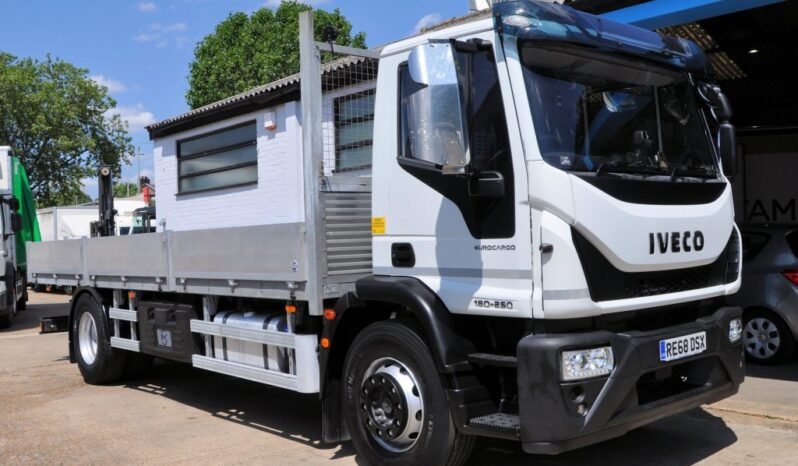
Rigid vs Prime Mover Chattel Mortgage | Switchboard Finance
 Truckie Hub
Rigid Trucks · Prime Movers · Chattel Mortgage
Rigid Truck vs Prime Mover Chattel Mortgage for Owner-Drivers (2026)
Most owner-drivers ask which structure to put around the truck. The more useful question is which truck the chattel mortgage will sit best around, and what the lender on the other side actually weighs first.
Quick Answer
Rigid trucks and prime movers both sit comfortably under a chattel mortgage, but the deal shape is different. Rigid leans on local-route operator quality and a more forgiving asset age cap. Prime movers lean on contracts, run rates, and a tighter age envelope, often with a deeper balloon.
The misconception that costs owner-drivers time
Two paths into a truck chattel mortgage open up depending on whether the asset is a rigid truck or a prime mover, and the lender's first read runs down a different track on each. The structure question (chattel mortgage, lease, or hire purchase) is downstream of the asset choice, and the asset choice is what the lender reads first. From the underwriter's seat, a rigid truck file and a prime mover file land on the desk with different weight, different appetite, and different exit-shape expectations, even when the borrower, the deposit, and the structure are otherwise identical.
Get the asset class right against your work, and the chattel mortgage almost shapes itself. Get it wrong, and you can spend weeks pushing a deal that the asset itself was always going to make hard. This piece is a side-by-side read on rigid versus prime mover for owner-drivers in 2026, written so you can match asset to use case before you sign anything at the dealer.
Rigid truck vs prime mover, side by side
The comparison below is the operational read I use when an owner-driver is genuinely undecided between a rigid and a prime mover. It is not a structure comparison (chattel vs lease lives in this piece); it is an asset-class read with the chattel mortgage assumed.
Two rows quietly do the heavy lifting in most files. The asset age cap, varies by lender, is what decides whether a five or seven year old prime mover lands at all under a low-doc structure. And the operator-doc weight is what shifts a deal from quick low-doc through to a full BAS-backed file. The dollar bands and balloon shapes follow the asset; the lender's appetite follows the operator.
Where the asset age cap really bites
The single biggest structural difference between a rigid and a prime mover deal in 2026 is the Euro 6 rigid prime mover gap. Lenders read end-of-term age, not purchase age, which means a five-year-old asset on a five-year term is read as a ten-year-old asset at exit. Rigid trucks moving local freight tend to age more graciously in lender eyes. Prime movers in linehaul wear faster and command a tighter age envelope, especially under low-doc.
Where the asset sits inside the cap, the rest of the file flows. Where it sits outside, you are looking at a shorter term, a different lender pool, a heavier deposit, or a pivot to a different asset. None of those are dealbreakers in isolation, but they are all expensive in May to June when lender capacity compresses against the EOFY window. The Australian Taxation Office's instant asset write-off guidance sits above this conversation: most prime movers and many rigids are above the legislated IAWO cap, so they fall to standard chattel mortgage depreciation rules either way. The structure choice is operational, not tax-driven, for the typical heavy asset.
Operator quality before asset quality
The phrase that sits behind almost every rigid versus prime mover decision is operator quality before asset quality. The first thing the file is read against is not the build plate or the kilometres on the clock, but whether the operator behind the wheel can carry the asset through the term. A clean ABN tenure, a tidy PPSR position on existing assets, and a credible income story will move a deal further than a year-newer truck on a thinner file.
That order matters because it tells you where to spend energy. Owner-drivers stepping up from a company seat often default to picking the truck first and worrying about the file second. On a clean credit file, the order is reversed. The operator file is built, the lender appetite is sketched, then the asset is matched into the envelope that file supports. Rigid or prime mover, that sequence is the difference between a 48 hour approval and a four-week chase. The broader operator-side mechanics live in this piece on owner-driver finance beyond the chattel mortgage.
Timing the deal against the EOFY window
From mid-May through late-June the lender queue thickens, asset stock at dealers compresses, and the assessor turnaround stretches out. For a rigid truck chattel mortgage, the approximately 24 to 72 hour fund time, varies by lender, that holds in February stretches in June. Prime mover deals with deeper documents stretch further. None of this changes the structure choice; all of it changes the calendar around it.
The operational answer is to pre-approve the file before you commit to the asset. A pre-approved owner-driver, with a known asset age envelope and a clean PPSR position, can step onto a dealer floor in mid-June and settle inside the window. An unprepared file walking in the same day rarely does. If you are weighing the broader structure question (chattel mortgage versus hire purchase versus lease), this comparison on the prime mover side picks up the structure thread, while low-doc vehicle finance covers the documents path for owner-drivers without two years of full tax returns.
Rigid trucks and prime movers are both natural fits under a chattel mortgage, but the deals do not look the same on a lender desk. Rigid leans on operator quality, predictable routes, and a more forgiving asset age cap. Prime mover leans on contracts, run rates, and a tighter age envelope with a heavier balloon. The structure decision follows the asset; the asset decision follows the work.
Key takeaway: pre-approve the operator file first, then match rigid or prime mover into the envelope that file actually supports.Frequently Asked Questions
The difference between a rigid truck and a prime mover for finance comes down to asset class, sweet-spot use case, and how lenders read the operator behind the wheel. A rigid truck chattel mortgage often suits local distribution and predictable routes with a more forgiving asset age cap, varies by lender. A prime mover chattel mortgage is sized for linehaul work where run rates and contracts carry more weight in the file.
You can get a chattel mortgage on an older rigid truck in many situations, subject to the asset age cap, varies by lender. Most lenders read end-of-term age (purchase age plus loan term) rather than purchase age alone, which is the bit that quietly drives appetite. Where the end-of-term age sits beyond a lender's tolerance, the deal can still land with a shorter term, a non-bank lender pool, or a tighter balloon.
A prime mover is not strictly harder to finance than a rigid truck, but the underwriting tends to look harder at run rates, contract income, and operator history. Where a rigid truck deal can often sit on a clean low-doc file, a prime mover deal usually benefits from BAS support and a clearer income story. The structural mechanics are the same chattel mortgage; the file weight is what changes. This lender-view walkthrough on a six-figure prime mover shows what that looks like on a real file.
The instant asset write-off applies to assets under the legislated cap, made permanent in the 2026-27 Federal Budget from 1 July 2026. Most rigid trucks and prime movers sit well above that cap, so the chattel mortgage path uses standard depreciation rules rather than the IAWO. The IAWO matters for sub-threshold gear (dash cams, in-cab equipment, smaller tools), not for the truck itself. The structure choice on a heavy asset is driven by cashflow shape, not by the IAWO threshold. The Australian Taxation Office's depreciation guidance covers the rules that do apply.
A clean owner-driver truck chattel mortgage can typically land in approximately 24 to 72 hour fund time, varies by lender, once docs and the supplier invoice are in. Asset age, file completeness, and EOFY queue depth in May to June all push that window. A pre-approval before walking the dealer floor is what compresses the timeline. This piece on owner-driver finance beyond the chattel mortgage goes deeper on the operator-file work that makes the fast settlement possible.

 FBAA Accredited
