
Used vs New Allied Health Equipment Finance (2026)
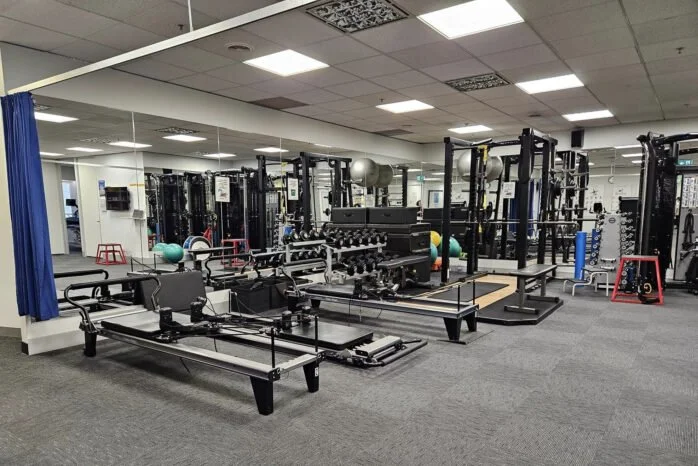
Used vs new allied health equipment finance comparison for physio and chiro practices | Switchboard Finance
 Insights · Allied Health
Used vs New Allied Health Equipment Finance (2026): Valuation Haircuts, Age Rules & Deposit Triggers for Physio/Chiro/Osteo Gear
Used allied health equipment can save upfront costs but triggers valuation haircuts and slower approvals (5–7 days vs 48 hours for new). Age bands matter: 0–2 years approves clean, 3–5 years sees depreciation haircuts kick in, 6+ years faces inspection requirements and higher deposits.
This comparison covers the 7 valuation triggers lenders watch for refurbished treatment tables, ex-demo chiro adjusters, ultrasound devices and gym/rehab equipment. Start inside Equipment Finance to see how allied health fits the broader asset finance lane.
New allied health equipment approves in 48 hours with minimal deposits (10–20%). Used equipment takes 5–7 days and faces valuation haircuts that increase deposits to 20–40% depending on age, condition and warranty status. The trade-off is upfront cost vs approval speed and deposit size.
| Factor | New Equipment (0–2 years) | Used Equipment (3–5 years) | Older Equipment (6+ years) |
|---|---|---|---|
| Approval speed | 24–48 hours (standard) | 3–5 days (valuation needed) | 5–7 days (inspection required) |
| Typical deposit | 10–20% | 20–30% | 30–40%+ |
| Valuation haircut | None (RRP accepted) | 10–25% off purchase price | 25–40% off purchase price |
| Warranty requirement | Manufacturer warranty included | 6–12 months preferred | Often declined without warranty |
| Inspection needed | No | Sometimes (high-tech devices) | Always (photos + condition report) |
| Best for | Start-ups, high-tech devices, practices wanting speed | Established practices upgrading, budget-conscious buyers | Rarely financed (cash purchase better) |
1) Age bands: how lenders bucket allied health equipment
Lenders group allied health equipment into three age bands, each triggering different deposit requirements and approval timelines. The bands apply from manufacture date (not purchase date), so a 4-year-old table purchased "second-hand" last year still sits in the 3–5 year bucket.
If you misunderstand which band your equipment sits in, the consequence is surprise deposit increases or declined applications when the lender's valuation comes back lower than expected.
- 0–2 years (new or near-new): Clean approvals, 10–20% deposit, 24–48 hour timeline.
- 3–5 years (mid-age used): Valuation haircuts start, 20–30% deposit, 3–5 day timeline with inspection requests.
- 6+ years (older equipment): Heavy haircuts (25–40%), 30–40%+ deposits, inspection mandatory — many lenders decline outright.
A physio found a 2019 treatment table (5 years old) for $8k. The lender valued it at $5.5k (30% haircut) and required a $3k deposit (37.5% of purchase price). The physio thought they'd only need $1.6k (20% deposit), so the deal stalled until they could bridge the gap.
2) The 7 valuation triggers unique to allied health equipment
Allied health equipment depreciates differently than medical imaging or dental chairs. Lenders watch for specific wear patterns, technology obsolescence and warranty gaps that increase risk. These triggers apply more heavily to used equipment because new gear comes with manufacturer backing.
If your used equipment hits multiple triggers, the consequence is compounding haircuts: a 4-year-old ultrasound with no warranty and visible wear might see a 35–40% valuation cut, pushing deposits above 40%.
- Refurbished treatment tables (inspection traps): Hydraulic systems, padding integrity, frame welds — lenders want photos or third-party inspection for 5+ year tables.
- Ex-demo chiro adjusters (warranty gaps): Demo units often have shortened or no manufacturer warranty — lenders reduce valuations by 15–25% without 6+ month coverage.
- Ultrasound/laser devices (technology obsolescence): Software updates, probe compatibility, FDA/TGA compliance — 4+ year devices may be "outdated" even if mechanically sound.
- Gym/rehab equipment (wear patterns lenders hate): Cables, pulleys, weight stacks, treadmill belts — visible wear or non-original parts trigger manual inspections and haircuts.
- Portable vs fixed equipment: Portable gear (massage tables, portable ultrasound) wears faster from transport — lenders apply 5–10% extra haircut vs equivalent fixed equipment.
- Brand recognition: Unknown or discontinued brands see 10–20% haircuts vs established names (Chattanooga, Enraf-Nonius, BTL) because resale is harder.
- Service history gaps: No proof of annual servicing or calibration (for ultrasound, laser) can add 10–15% haircut — lenders assume deferred maintenance risk.
A chiro wanted to finance a 4-year-old ex-demo adjuster for $10k. It had no warranty, visible hydraulic fluid staining, and no service records. The lender valued it at $6k (40% haircut) and declined the application. A newer 2-year-old unit with warranty would've approved at full price.
3) Why new equipment approves in 48 hours vs used in 5–7 days
New allied health equipment approvals are fast because lenders can rely on dealer invoices, manufacturer warranties and standard market pricing. Used equipment requires manual valuation, condition checks, and often photos or inspection reports — each step adding 1–2 days to the timeline.
If you need equipment fast and choose used to save money, the consequence might be losing the deal entirely because the seller won't hold it for 7 days while you wait for finance approval.
- Day 0: Submit Allied Health Equipment Finance Documents + dealer quote
- Day 1: Lender checks ABN, bank statements, matches invoice to RRP (no manual valuation needed)
- Day 2: Conditional approval issued, settlement can happen same day
- Day 0: Submit docs + private sale invoice or dealer quote
- Day 1–2: Lender requests photos, serial numbers, service history
- Day 3–4: Manual valuation happens (comparing to market, adjusting for condition)
- Day 5–6: Valuation returns, deposit recalculated, conditional approval (if not declined)
- Day 7: Settlement (assuming you accept new deposit terms)
A physio found a used ultrasound on Gumtree for $6k (new RRP $12k). The seller wanted a decision within 3 days. The lender needed 5 days for valuation, so the physio lost the deal. Buying new at $12k would've approved in 48 hours but cost double.
4) When used makes sense (established practices upgrading)
Used allied health equipment works best for established practices with cash reserves to cover higher deposits and time to wait for approvals. If you've been trading 2+ years, have strong cashflow, and can afford 25–35% deposits, used equipment saves $3k–$8k per item compared to new.
If you're a start-up or cash-strapped practice, the consequence of choosing used is deposit stress: you might qualify for the loan but not have the 30–40% deposit ready, stalling the whole deal.
- Upgrading existing gear: You already own a table/adjuster, replacing it with a better used unit makes sense — you understand condition checks and service needs.
- Budget-conscious established practices: You have 3+ years trading, strong bank statements, can cover 30% deposits — used equipment saves $5k–$10k vs new.
- Non-tech equipment: Treatment tables, gym equipment, massage tables wear predictably — less technology obsolescence risk than ultrasound/laser devices.
- Known seller: Buying from another practitioner or clinic closure — you can inspect in person, verify service history, negotiate warranty transfer.
An established chiro practice (5 years trading) bought a 3-year-old adjuster from a retiring practitioner for $9k (new RRP $16k). The lender valued it at $7.5k, required a $2.7k deposit (30%), and approved in 4 days. The practice saved $7k vs buying new and could afford the deposit.
5) When new is mandatory (start-ups + high-tech devices)
New allied health equipment is mandatory for start-ups (ABN under 12 months) and high-tech devices (ultrasound, laser, electrotherapy) because lenders won't take valuation risk on used gear when the borrower has no trading history. Even established practices should default to new for technology-dependent equipment that depreciates through software obsolescence.
If you ignore this rule and try to finance used high-tech equipment as a start-up, the consequence is outright decline — no amount of deposit will fix the risk mismatch.
- Start-ups (ABN under 12 months): Lenders require new equipment with full manufacturer warranty to offset borrower risk — used equipment is auto-declined.
- High-tech devices: Ultrasound, laser, shockwave, electrotherapy — technology obsolescence means 3+ year devices may not be serviceable or compliant, lenders won't finance.
- First equipment purchase: If you've never financed before, lenders want new equipment as proof of "clean start" — used equipment adds unnecessary risk layers.
- Speed-critical situations: Lease signed, clinic opening in 2 weeks — new equipment approves in 48 hours, used equipment might miss your opening date.
A new physio practice (ABN 8 months) tried to finance a 4-year-old ultrasound for $5k. The lender declined — no warranty, technology risk, borrower too new. The practice switched to a new ultrasound at $11k, got approved in 48 hours with a 15% deposit, and opened on time.
The used vs new decision comes down to trade-offs: upfront cost savings vs residual value risk and approval speed. For medical comparison, see Used vs New Medical Equipment Finance.
New allied health equipment approves in 48 hours with 10–20% deposits. Used equipment saves upfront cost but triggers valuation haircuts (10–40%), higher deposits (20–40%+), and slower approvals (5–7 days). Age bands matter: 0–2 years = clean, 3–5 years = haircuts start, 6+ years = often declined.
Start inside Equipment Finance to see how allied health fits the broader lane. For documents needed, see Allied Health Equipment Finance Documents Checklist.
6) Used vs new allied health equipment FAQs (fast answers)
Five short answers — each FAQ uses one unique glossary link in the question and one different unique glossary link in the answer (no repeats).
Lenders calculate useful life remaining and apply haircuts — a 4-year-old table with 7 years left might see 20–30% off market value, increasing your deposit.
Yes, but lenders want proof of price and condition (not just a handshake). A clean dealer invoice or written sale agreement with photos speeds approval vs informal Gumtree ads.
Because valuations drop with age, lenders reduce how much they'll lend against used equipment as secured loan collateral — protecting their recovery risk if you default.
Sometimes — check manufacturer terms. If warranty can't transfer, lenders may decline or require extended third-party coverage. This also affects early termination costs if gear breaks and you want out.
Yes — high-tech devices (ultrasound, laser) face stricter used-equipment rules than simple treatment tables because they're depreciating asset types with faster technology obsolescence and compliance risks.
