
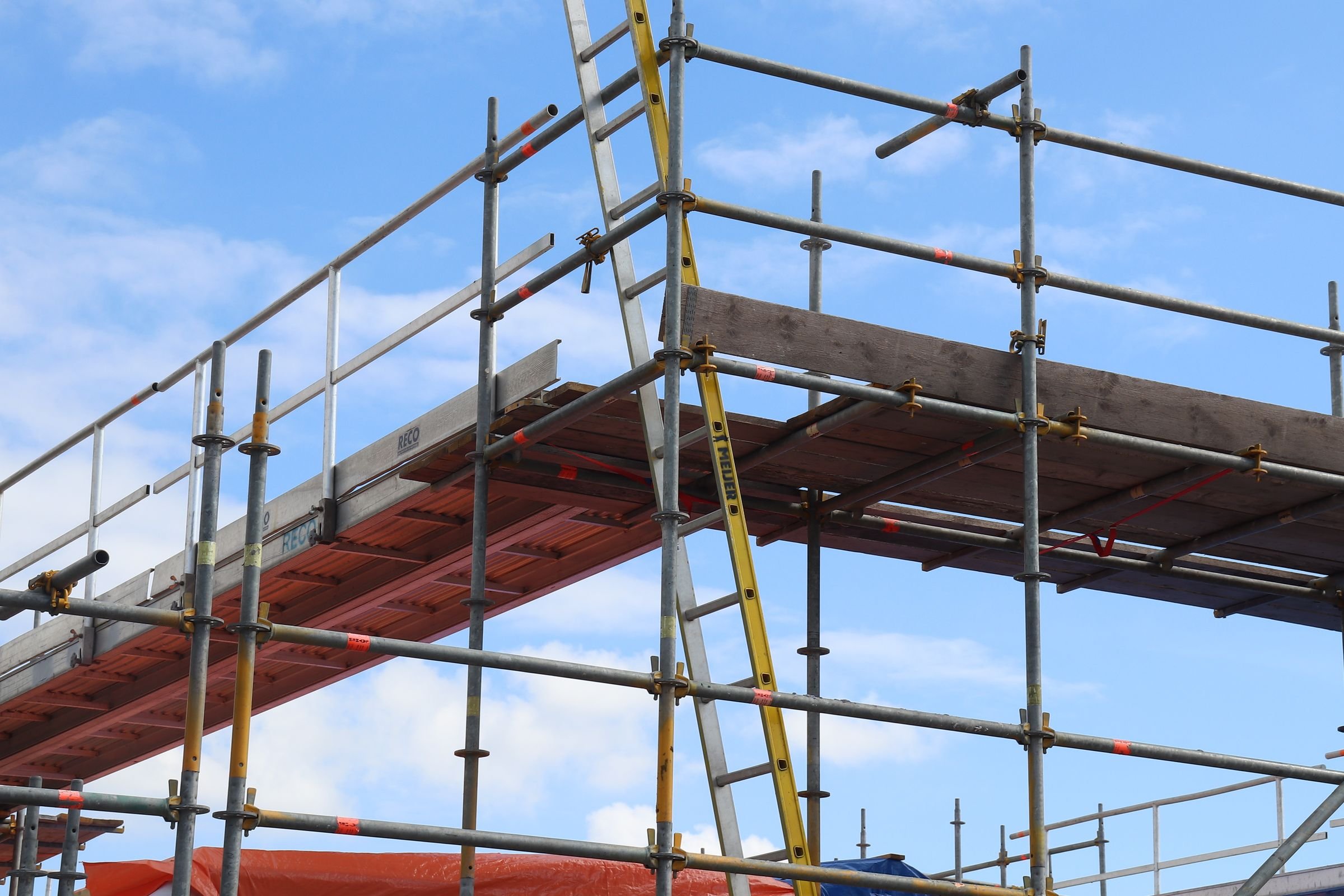
Why a Builder's Caveat Loan Settles Fast, and What Slows It
A caveat loan can settle in days, not weeks, because it is secured by property you own. What speeds a builder's settlement, and what slows it down.
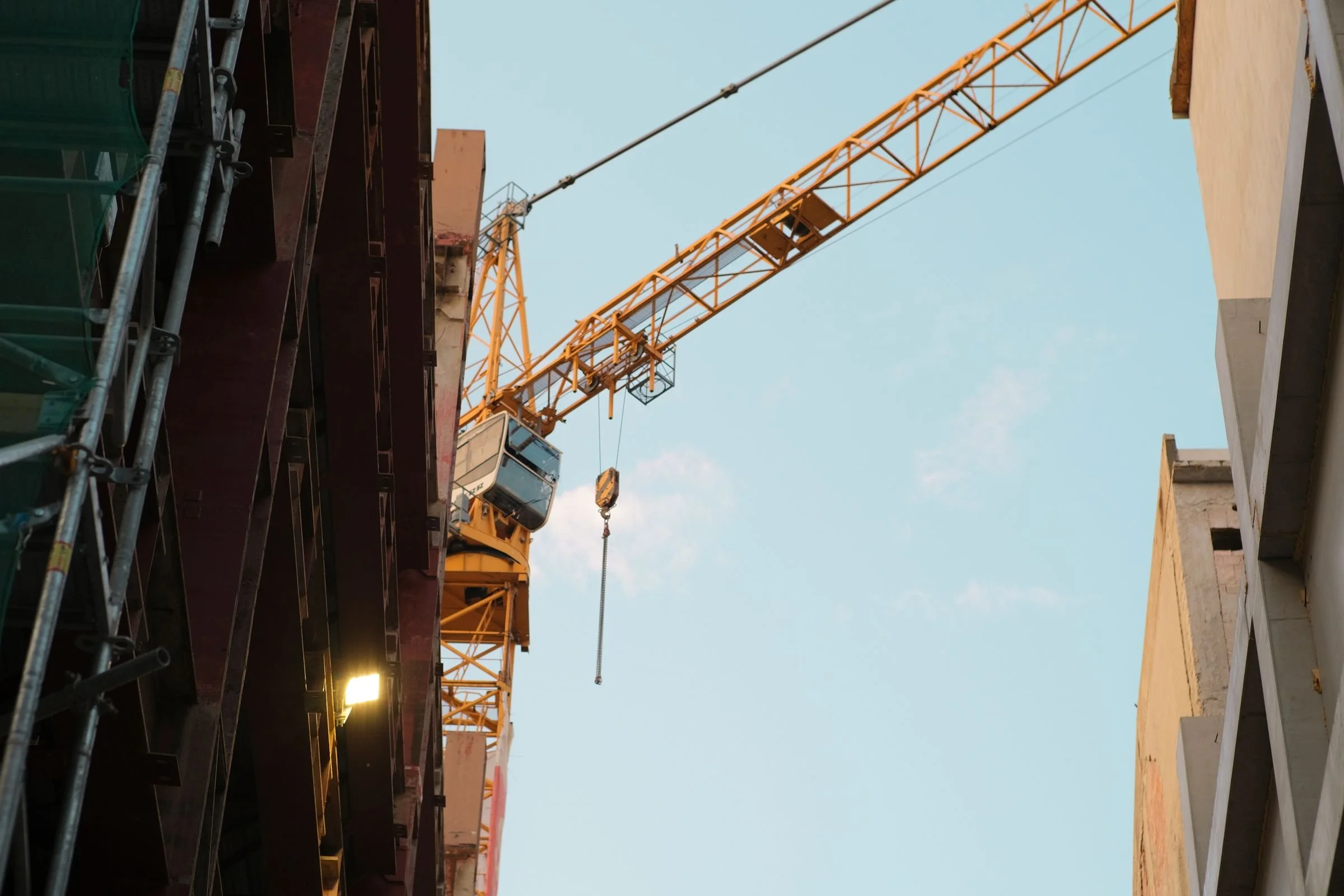
What You Can Fund at Each Step From Builder to Developer
What a self-employed builder can fund at each step from renovations to ground-up development, and how the right facility changes as projects scale.
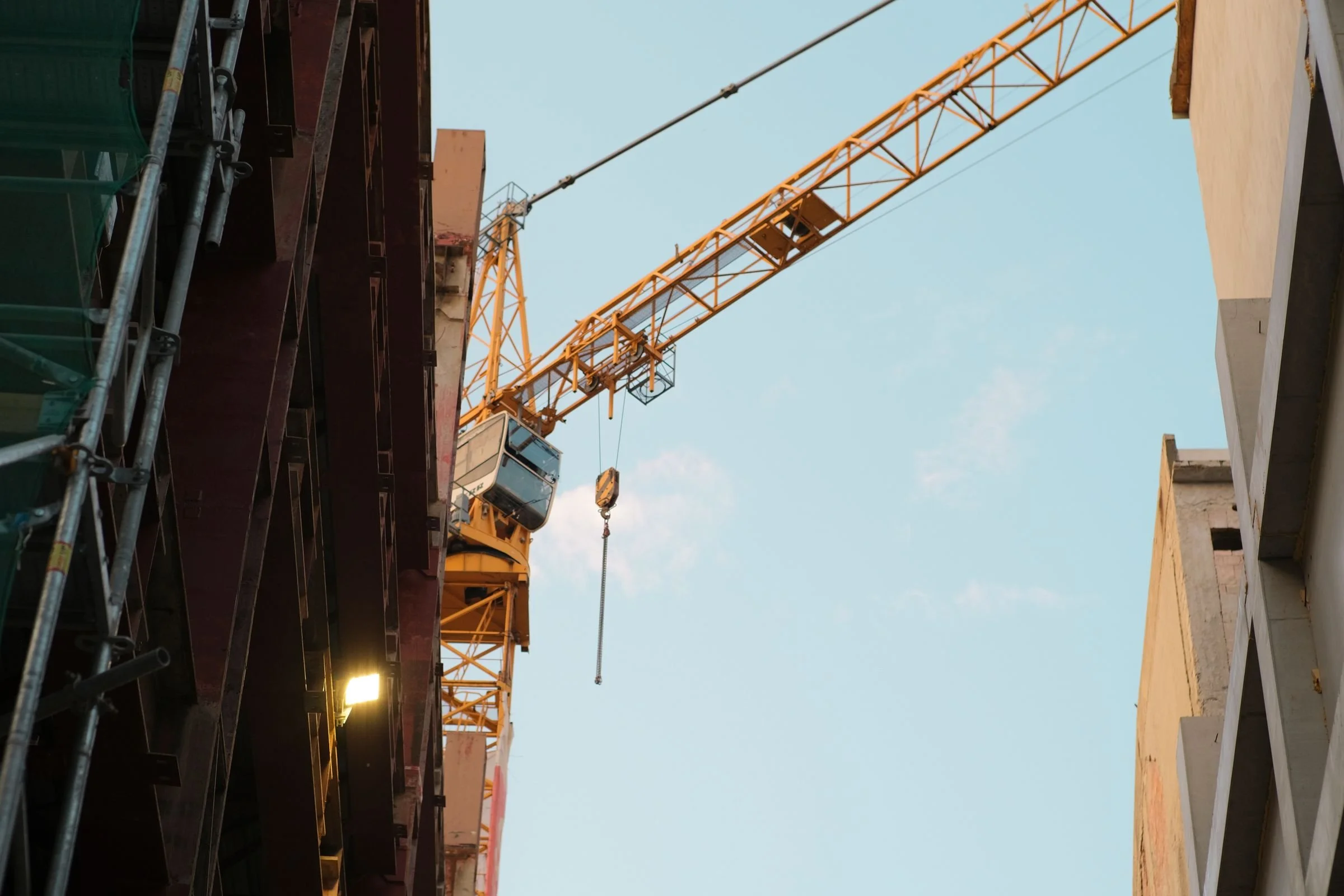
Will New Builds Sell Better After the Negative Gearing Change
Will new builds sell better after the negative gearing change? A demand-side read on where buyer interest is steered and what your sell-down faces.

The Non-Bank Shift Reshaping Builder Finance
How construction credit shifted from the major banks to non-bank funders, and what that means for builders scaling from renovations to ground-up.

Caveat Loan to Free Equity Between Two Builds
How builders use a caveat loan to free trapped equity from a finishing build and fund the deposit on the next project, without selling first.
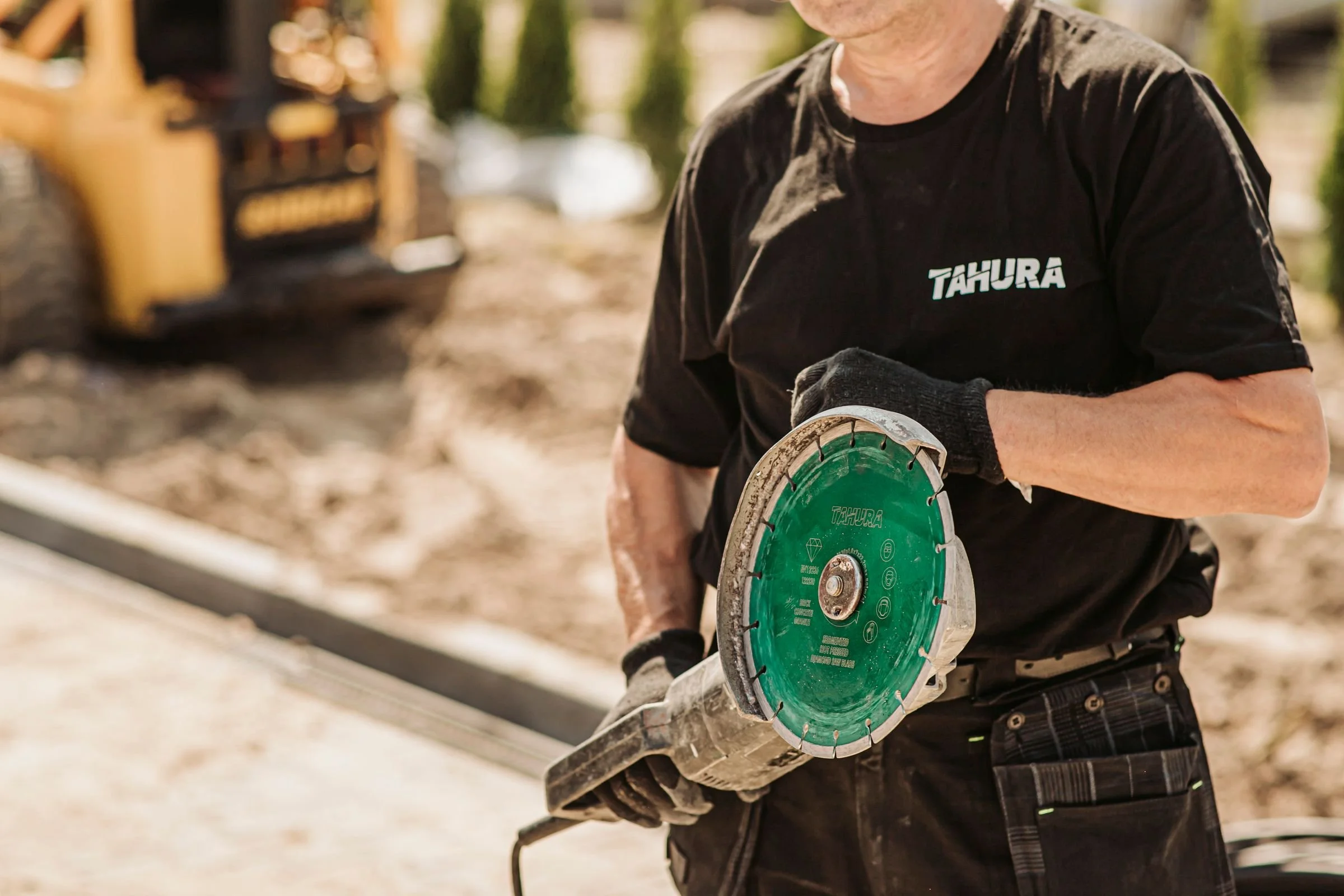
From Van to Workshop: How Tradies Finance the Jump
How a tradie funds the move from a van-based business to owning a workshop: the premises loan, working capital for the move, and how lenders read it.
One Doc Home Loan After You Buy Your Workshop
How a self-employed one doc home loan reads the new commercial debt after you buy your workshop, and what makes the file pass or stall.
Kitting Out a New Workshop Before 30 June: The Timing Call
How to time a workshop fit-out before 30 June: which assets to install for the instant asset write-off, and how to fund the spend without a cash-flow gap.
Working Capital for the Move Into Your First Workshop
How a working capital loan covers the cashflow gap when a tradie moves into a first workshop: settlement, fit-out and double running costs.

Lease or Buy Your First Workshop: A Tradie's Finance Decision
Should a tradie lease or buy a first workshop? How owner-occupier premises finance, deposit and serviceability compare, from a finance broker's view.