
Café Equipment: Repair vs Replace — What Lenders Actually Fund (2026)
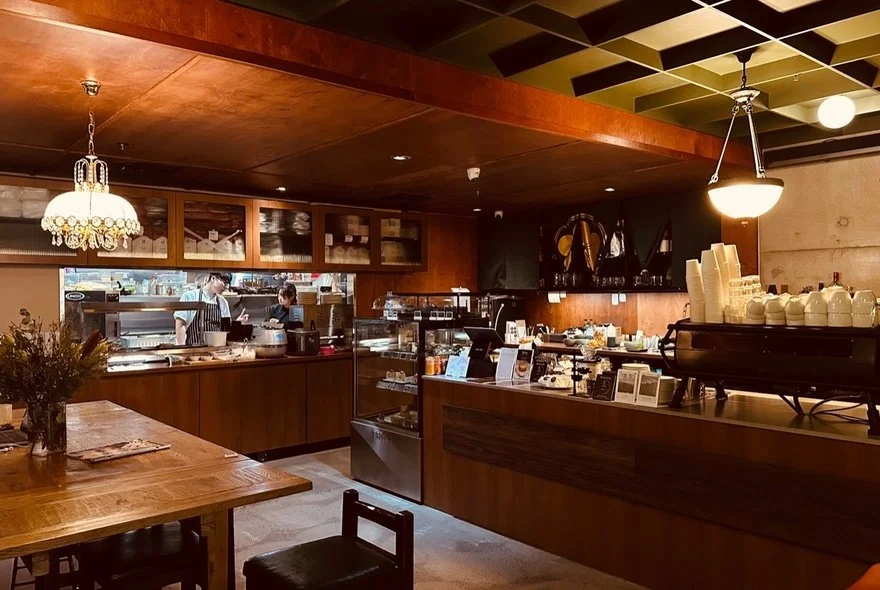
Café equipment repair vs replace finance for hospitality business owners – Switchboard Finance
 Café Hub
Equipment Finance · Repair vs Replace · Hospitality
Café Equipment: Repair vs Replace — What Lenders Actually Fund
Lenders fund replacement equipment far more readily than repairs. If your café's grinder, oven or dishwasher is failing, the financing path depends on whether the spend creates a depreciable asset or just extends the life of one that's already written down.
Quick Answer
Lenders treat replacement equipment as a new asset finance deal with a depreciable asset as security. Repairs are operational expenses — most lenders will not finance them directly. If the repair cost exceeds a threshold relative to the asset's current value, replacing the equipment and financing the new unit is almost always the cleaner approval path.
Why Lenders See Repairs and Replacements Differently
A lender needs security against the money they advance. When you buy a new espresso machine, combi oven or commercial dishwasher, that equipment becomes a depreciable asset on your balance sheet — the lender registers their interest on the PPSR and has something tangible to recover if the loan defaults. That is why low doc asset finance works: the asset itself underwrites part of the risk.
Repairs do not create a new asset. Spending several thousand dollars to rebuild a grinder motor or regas a coolroom extends the useful life of existing equipment — but the lender cannot register security against a repair. The spend is an operating cost, not a capital acquisition. From an approval perspective, this means repairs typically need to be funded through working capital facilities, a business line of credit, or cash reserves — not through an equipment finance agreement.
The ATO treats these categories differently too. Replacement equipment can be depreciated over its effective life or written off immediately under the instant asset write-off provisions (currently $20,000 per asset for eligible small businesses). Repairs are deductible in the year they're incurred, but they don't create a new depreciable asset or generate the same tax planning flexibility. The ATO's guidance on deductions for repairs vs capital improvements draws this line explicitly.
The Repair-or-Replace Decision Tree
The financing decision is not just about what's broken — it's about where the spend sits relative to the asset's remaining value and your café's cash position. This decision tree maps the four most common equipment failure scenarios to their financing outcome.
What's your situation?
Select the scenario that matches your equipment issue:
Repair from operating cash or LOC — replacement finance is overkill here.
When the repair is a small fraction of what a new unit costs, paying from your business line of credit or cash reserves is the faster and cheaper path. No asset finance application, no new PPSR registration, no lender assessment. Fund it, fix it, move on. If you do not have a LOC in place, that is a separate conversation worth having.
Repair recommendedEvery scenario above assumes the equipment is essential to daily trade. If the failing item is a secondary unit — a backup grinder, a display fridge you could consolidate — the maths shift further toward repair or decommission. For café-specific procurement timing and the order in which to upgrade equipment, see the café equipment upgrade procurement sequence.
What the Lender Actually Checks on a Replacement Application
Replacing a piece of café equipment through equipment finance follows a standard asset finance approval process — but there are café-specific details that trip owners up. The lender is assessing three things: the asset, your trading history, and the servicing position.
Asset verification
The lender confirms the equipment is new or near-new from a recognised supplier, with a serial number, warranty and invoice. Custom-built or imported items without local servicing can stall approvals. Café equipment from major brands (La Marzocco, Rational, Hobart, Synesso) passes without friction.
Servicing position
The repayment on the new equipment needs to sit within your café's servicing capacity. The lender looks at your bank statements — daily settlement volumes, EFTPOS/merchant turnover, and any existing loan commitments. A café doing consistent merchant volume will clear this step easily.
Conditional approval and settlement
For standard café equipment purchases under the value threshold, approvals can come through in 24–48 hours with a low doc application. See the full café conditional approval process for what to expect at each stage.
If you have the documents ready, check your eligibility — it takes two minutes and there is no credit pull. For the full documents checklist, see café fitout and equipment finance documents checklist.
When Replacement Finance Works — and When It Stalls
Replacement finance works cleanly when the new asset is a like-for-like swap or an upgrade within the same category. It stalls when the application looks like a general business expense wrapped in an equipment finance structure. Lenders are pattern-matching here — they want to see a clear asset purchase, not a disguised cashflow draw.
Works
- New espresso machine replacing end-of-life unit
- Combi oven upgrade with supplier invoice and warranty
- Commercial dishwasher swap — same category, clear need
- Coolroom replacement with install quote from licensed tradesperson
- POS system upgrade with hardware component
Stalls
- Repair invoices bundled as a "refurbishment" to trigger finance
- Used equipment with no serial number or clear provenance
- Consumables or small wares packaged into an equipment deal
- Custom imports without local warranty or service network
- Equipment for a venue that hasn't opened yet (no trading history)
The line between a repair and a capital improvement is not always obvious. If a technician is quoting for parts that substantially upgrade the equipment's capacity or extend its life beyond the original spec, it may qualify as a capital improvement rather than a repair — which changes both the tax treatment and the financing options. Your accountant draws that line; your broker structures the finance around it. For supplier deposit risks on long-lead equipment, see the café supplier deposit and valuation trap.
Building an Equipment Replacement Schedule That Lenders Respect
Café owners who plan equipment replacements around depreciation cycles get better finance outcomes than those who wait for equipment to fail. A proactive replacement schedule signals to lenders that you manage your business assets deliberately — which makes every subsequent application faster and cleaner.
Most commercial café equipment has an effective life between 5 and 15 years for tax purposes. An espresso machine sits around 10 years, a combi oven 10–15, a commercial dishwasher 7–10, and refrigeration 10–15. When an asset is approaching the end of its depreciable life and the maintenance costs are climbing, that is the optimal window to finance a replacement — you get a fresh depreciation schedule on the new unit and the old asset still has some residual trade-in or resale value.
Stacking multiple replacements into a single facility can also work. If your grinder, dishwasher and POS terminal all need replacing within the same quarter, a single low doc asset finance application covering all three items is more efficient than three separate deals — fewer credit inquiries, one set of documents, one repayment line. Your broker can structure this as a bundled facility with the supplier invoices attached. See also the café POS and payments upgrade ladder and restaurant and bar equipment finance documents checklist for complementary checklists.
For café owners in the Northern Melbourne corridor — Brunswick, Northcote, Preston — local equipment suppliers often have pre-arranged finance panel relationships that can speed up the process further. Ask your broker if the supplier is on an existing lender panel before you sign a purchase order.
Repairs are operating expenses — fund them from cash or a line of credit. Replacements create depreciable assets that lenders can register security against, which is why equipment finance exists. If the repair quote is climbing past half the cost of a new unit, the financing case for replacement is almost always stronger: fresh depreciation, cleaner tax treatment, manufacturer warranty, and a lender-backed repayment structure that preserves your operating cash for the things that actually generate revenue.
Key takeaway: If you're spending more to keep old equipment alive than it would cost to finance new gear, the lender is telling you the same thing your accountant is — replace it.Frequently Asked Questions
Most lenders will not finance a repair directly because repairs do not create a new depreciable asset for the lender to register security against. Equipment finance — including chattel mortgage and hire purchase — is structured around the acquisition of a specific asset with a serial number, invoice and supplier warranty. To fund a repair, you would typically use a business line of credit, working capital facility, or your operating cash reserves.
Replace when the repair cost exceeds roughly half the price of a new equivalent unit, when the equipment is already fully depreciated on your books, or when multiple components are failing in sequence (indicating the asset is at end-of-life). Repair when the cost is a small fraction of replacement value and the equipment otherwise has years of reliable service ahead. Your accountant can confirm whether the spend qualifies as a deductible repair or a capital improvement, which changes the tax and financing treatment. See the café equipment upgrade procurement sequence for how to prioritise which items to replace first.
Any new or second-hand café equipment purchased and installed ready for use qualifies for the instant asset write-off if it costs below the current threshold (presently $20,000 per asset for eligible small businesses with aggregated turnover under $10 million, subject to change — check the ATO for the latest). This includes espresso machines, combi ovens, dishwashers, refrigeration, POS systems and fitout items. The write-off applies regardless of whether the asset is purchased outright or financed via chattel mortgage. The deduction is claimed in the income year the asset is first used or installed. Check coffee machine finance for how this applies to high-value café equipment specifically.
Standard café equipment finance applications through low doc asset finance channels can receive conditional approval within 24–48 hours when the documents are complete. You need your ABN, recent BAS statements, the supplier invoice or quote with equipment details, and your last few months of bank statements showing merchant settlement volumes. Settlement typically follows within a few business days of conditional approval. The full café fitout and equipment finance documents checklist has everything you need to prepare before you apply.
Yes — bundling multiple equipment items into a single asset finance facility is common and often preferred by both lenders and borrowers. You submit one application, provide one set of documents, and make one monthly repayment covering all items. Each piece of equipment appears on the schedule with its own serial number and invoice. This approach reduces the number of credit inquiries on your file and simplifies your bookkeeping. It works best when all items are from the same supplier or being purchased within the same quarter. See the refrigerated van finance guide for an example of bundled asset finance in a café context.

 FBAA Accredited
