
Cafe Second Mortgage in 2026: Six Green Flags and Four Red Flags
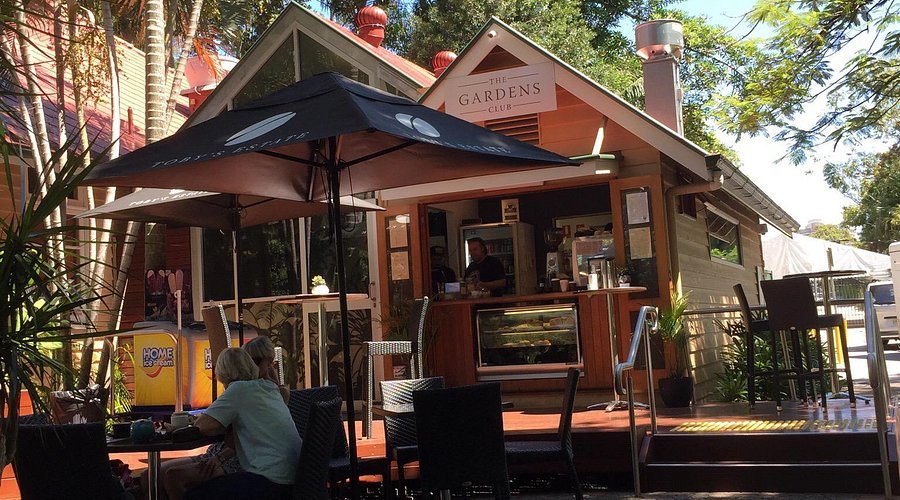
Second mortgage for cafe owners, green flags and red flags lenders watch: Switchboard Finance
 Cafe Hub
Second Mortgage · Cafe · Property
Cafe Second Mortgage in 2026, Six Green Flags and Four Red Flags
Most cafe second mortgage applications turn on signals from the cafe trading pattern, not on the property alone. Six green flags and four red flags lenders weigh in 2026, from the lease tail to the supplier deposit ledger.
Quick Answer
A cafe second mortgage sits behind the first mortgage and is sized by your cafe trading pattern as much as the property. Lenders weigh the lease tail, supplier deposit ledger, and senior LVR before pricing. See our second mortgage loans page or the cafe hub for context.
Why a cafe second mortgage gets read on the cafe
Across the cafe second mortgage applications we run, the property carries less weight than most owners expect. Lenders look at the cafe trading pattern, the cashflow cycle visible in BAS lines, and the lease tail before they look at the valuation. Where this commonly lands is a registered second mortgage approved or stalled on operational signals from the cafe, not on equity alone.
In structural terms, a second mortgage sits behind the existing first mortgage on the title. The senior lender's LVR ceiling, the second mortgagee's appetite for ranking behind, and the borrower's serviceability through the cafe all sit in the same equation. Tip any one of them and the deal moves. For a related read on why specialist funders weigh cafes differently to other small businesses, see why banks do not understand cafes.
The credit signals below are the ones that come up over and over in cafe second mortgage files. They are not exhaustive, and they are not lender-specific, but they capture the structural picture lenders are building before they price the deal.
Six green flags and four red flags lenders weigh
Across cafe second mortgage applications, six green-flag signals repeat in the assessment file. They mostly relate to the cafe operating cashflow cycle and the security position rather than the property valuation in isolation. The four red-flag signals on the right side are not always automatic declines. They are signals the deal needs to be repositioned, supported with extra information, or referred to a different funder. For a sibling read on cafe-side cashflow facility choice, see the cafe LOC vs working capital loan comparison.
Six green flags
- Stable gross margin signal across recent BAS quarters
- Lease tail of approximately 3 to 5 years remaining on the cafe premises
- Senior LVR leaving headroom under the lender's combined ceiling
- Clean supplier deposit ledger with consistent timing
- Predictable EFTPOS and card takings pattern in the bank file
- Owner-occupier carve-out on the property security
Four red flags
- Lease tail under approximately 18 months on the cafe premises
- Senior LVR already at the lender's combined ceiling
- Erratic supplier deposit ledger or breached payment terms
- Active or recently unwound ATO arrangement on the cafe entity
The green flags are cumulative rather than checklist. A cafe with a strong gross margin signal and a clean supplier deposit ledger but a short lease tail will still face a structural conversation about whether the second mortgage is the right shape for that operator. The red flags work the same way. One alone may be a positioning issue. Two or more usually means a different facility is the better fit.
How senior LVR and the owner-occupier carve-out interact
The single biggest structural variable on a cafe second mortgage is what is already against the property. Indicative LVR ceilings vary by lender, and the figure that matters is the combined position, senior plus second, rather than the second mortgage in isolation. Most second-ranking lenders weigh the combined LVR against the cafe trading signal, not the second mortgage exposure on its own. The Australian Government's apply for a business loan guide notes that lenders distinguish between secured and unsecured loans by what collateral the borrower can offer if repayments stop, which is the structural lens that drives every second-ranking property decision.
Where the security is the cafe owner's primary residence, the owner-occupier carve-out is often the deciding factor. Some funders pull back when a second mortgage starts to compromise the borrower's home equity buffer, even where the cafe services the deal cleanly on paper. This is the structural difference between a property-led read and a cafe-led read, and it is one of the reasons cafe owners with strong trading and modest property equity sometimes see a different outcome to cafe owners with weaker trading and larger equity.
If the LVR position is tight, a caveat loan can be a shorter-term option for a cashflow purpose, but the trade-off is term length and pricing. The structural choice between a registered second mortgage and a caveat is usually about how long the cashflow gap needs to be funded, not just about who will lend the money.
What this looks like across cafe applications
Across cafe deals, where this commonly lands is one of three structural positions. The first is the cleanest. The cafe is trading on a stable gross margin signal, the lease tail is solid, and the senior LVR has room. The deal goes to a tier-2 specialist or non-bank funder for a registered second mortgage, generally on a working capital purpose with a defined term.
The second position is where the cafe is trading clean but the senior LVR is already loaded. The conversation pivots to a working capital loan structure that does not require property security, or to a shorter-term caveat structure where the timing window is small enough to make the higher pricing efficient against the alternative.
The third position is the one cafe owners most often misread. The cafe is showing operational stress, but the property has equity, and the assumption is that property equity alone will unlock a second mortgage. From a credit-policy view, equity does not substitute for serviceability. Where the cafe trading signal is weak, the equity position is rarely enough on its own. The deal is usually referred back for additional information, or repositioned into a different lane. For a parallel read on how lender behaviour differs across hospitality and trades, see how cafe lenders differ from tradie lenders in 2026.
For a fuller structural read on what every second mortgage assessment touches, the broader second mortgage business loan checks guide walks through the lender-side criteria step by step.
A cafe second mortgage in 2026 is read first on the cafe trading pattern and second on the property. The lease tail, gross margin signal, senior LVR, and supplier deposit ledger all weigh into the structural decision before pricing is even on the table. Cafe owners with a strong cashflow signal and a clean security position have several pathways. Cafe owners with weaker trading often have fewer options than the equity position alone suggests.
Key takeaway: lead with the cafe operating cashflow cycle and the security ranking position, not the property valuation.Frequently Asked Questions
Lenders look for several structural signals on a second mortgage application, starting with the senior lender's LVR ceiling, the borrower's serviceability through the underlying business, and the lease tail or commercial position behind the security. For a cafe owner, the read also includes the cashflow pattern visible in BAS lines and the supplier deposit ledger. See our guide on second mortgage business loan checks for a fuller breakdown of what every assessment touches.
A cafe owner can apply for a second mortgage on their home, and many do, but the structural decision turns on the owner-occupier carve-out as well as the cafe trading signal. Where the home is the primary residence, some funders pull back if the combined LVR threatens the borrower's home equity buffer. The cafe hub covers how cafe-side facilities interact with property security in more depth.
The lease tail is the remaining term on the cafe's commercial premises lease, and it matters because lenders read it as a proxy for how long the cafe can keep generating the cashflow that services the second mortgage. A lease tail of approximately 3 to 5 years usually reads cleaner than a tail under 18 months. Lenders treating the cafe as the primary serviceability source pay close attention here, which is one reason cafe second mortgage applications often hinge on the lease conversation more than the property conversation. See the why banks do not understand cafes read for adjacent context.
Indicative LVR ceilings vary by lender on a cafe second mortgage, and the figure that matters is the combined position rather than the second mortgage in isolation. Most second-ranking lenders look at the senior plus second together, then weight that against the cafe trading signal. A registered second mortgage where the senior LVR is already loaded becomes harder to place, and may pivot to a caveat structure instead, depending on the cashflow window the operator is funding.
A cafe second mortgage typically funds in a longer window than a caveat or unsecured working capital structure, because the second mortgage is a registered property security and requires consent from the first mortgagee. Where this commonly lands is several weeks rather than several days. Funders, valuers, and the senior lender's discharge or consent process all affect the timeline. For shorter cashflow gaps, a working capital loan may be a faster pathway.

 FBAA Accredited
