
Case Study (Melbourne Service SME) (2026): How a 3-Van Cleaning Business Replaced Its Fleet
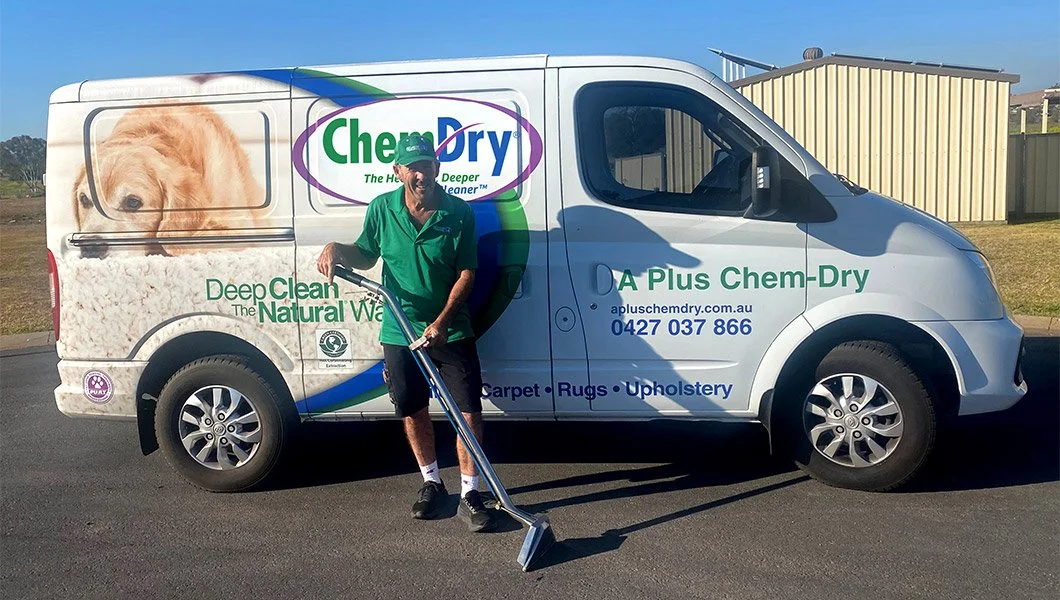
Melbourne service SME fleet replacement and wage buffer case study – Switchboard Finance
 Insights · Case Study
Case Study (Melbourne Service SME) (2026): How a 3-Van Cleaning Business Replaced Its Fleet, Added a 4th Van and Set Up a Wage Buffer — Without a Single Hard Enquiry on the Trading Account
This case study follows a Melbourne cleaning business running three service vans across recurring commercial jobs. The business had a practical problem, not a dramatic one: the fleet was getting older, replacement timing was starting to matter, and wages were becoming tighter whenever invoices landed later than rostered payroll.
The result was not just “get more finance.” The result came from staging the vehicle replacement, adding a fourth van for growth, and building a small Working Capital buffer around wages — while avoiding a premature Hard Enquiry on the trading account before the file was actually lender-ready.
- Hub (non-negotiable): Business Owners Finance Hub
- Persona hero explainer: 11 Signs Your Business Is Ready for Asset Finance in 2025
- Money page of the month (forced target): Low Doc Vehicle Finance for ABN Holders: 2025 Guide
- Winner seed #1: Pre-Approval Without Enquiry Damage (2026): The “Shadow Underwrite” Checklist Before You Apply
- Winner seed #2: The Double-Repayment Month Trap (2026): How to Bridge Old Repayments, New Deposits and a 30-Day Revenue Lag
- Sibling post #1: What Is Fleet Finance and How Does It Work?
- Sibling post #2: Low doc cashflow path from one facility to LOC, WCL and Invoice Finance for Australian business owners – Switchboard Finance
The business did not treat the fleet issue and the payroll issue as two unrelated problems. Instead, it mapped the van replacement and the wage buffer as one structured commercial move: clean the vehicle plan first, add growth capacity second, and only then formalise the cashflow support layer. If that sequence had been reversed, the consequence would likely have been a noisier file, more overlap pressure and a higher chance of early credit friction.
| Stage | Business issue | What changed | Key outcome |
|---|---|---|---|
| 1. Fleet pressure | Three ageing vans and rising downtime risk | Replacement plan was staged before urgency spiked | Cleaner asset story |
| 2. Growth trigger | More job capacity needed | Fourth van added as part of the structured move | Expansion without scrambling later |
| 3. Wage pressure | Payroll could tighten before invoices cleared | Separate wage buffer mapped around the fleet move | Better cashflow stability |
| 4. Credit discipline | Risk of premature lender hits | File was sequenced before formal lender pressure | No premature hard enquiry on the trading account |
1) The starting position: stable business, messy timing
This was not a distressed business. It was a service SME with repeat work, operating vans that were still usable, and a commercial rhythm that mostly worked. The issue was that the fleet and the payroll timing were both starting to create drag at the same time. The vans were ageing into a more fragile zone, and staff wages did not always line up neatly with when the business got paid.
That combination matters. A fleet problem on its own is one thing. A wage-timing problem on its own is another. But when both start tightening together, the file can become more reactive than it looks. If the business had ignored that overlap, the consequence would likely have been a rushed vehicle decision made in the middle of growing cashflow pressure.
- The business was working: this was a timing and structure problem, not a collapse story.
- The fleet was the visible pressure: ageing vans were the first sign the structure needed attention.
- Payroll was the hidden pressure: wages were more sensitive when invoices landed later than expected.
A cleaning business can feel “fine” until two things happen together: a service van starts becoming unreliable and the wage cycle tightens in the same fortnight. That is when a manageable business issue starts turning into a sequencing issue.
2) The structure: replace the fleet first, then add growth and the wage buffer
The clean move here was not to bundle everything blindly. The business first mapped the vehicle replacement logic: what needed replacing now, what could be staged, and how to add a fourth van without making the upgrade look like an impulsive overreach. Once that was clear, the wage buffer was set up as a separate support layer instead of being shoved into the same story as the fleet itself.
That separation mattered. The fleet solved asset reliability and growth capacity. The wage buffer solved timing stress between payroll and incoming receipts. If those two needs had been mashed together too early, the consequence would likely have been a blurrier file that was harder to explain and easier for a lender to slow down.
- Step one: stage the replacement logic so the fleet story made sense on its own.
- Step two: add the fourth van as a growth move, not as a panic purchase.
- Step three: layer the wage buffer around payroll timing, not around the vans themselves.
Replacing multiple vans and adding one more can sound aggressive if it is explained badly. The same move can sound measured when the file shows a business replacing ageing assets, preserving capacity and creating a cleaner payroll cushion separately.
3) How the file avoided a premature hard enquiry on the trading account
The central win in this case study was not some magic “no enquiry ever” trick. It was credit discipline. The business avoided a premature hard hit on the trading account by not throwing an incomplete, half-decided structure into the market. Instead, the commercial path was mapped first, the fit was pressure-tested early, and the formal lender step only came after the file was coherent.
That distinction is the whole point. The goal was to avoid unnecessary early damage, not to pretend credit checks never exist. If the business had sprayed the deal too early or asked the wrong lenders the wrong questions in the wrong order, the consequence would likely have been noise on the trading profile before the structure was even properly settled.
- No premature shopping: the file was not pushed wide before it was ready.
- Structure before submission: asset, timing and cashflow logic were made coherent first.
- Cleaner lender entry point: the formal step came after the scenario made commercial sense.
The same business could have created its own credit noise by rushing the process. Instead, the trading account stayed cleaner because the structure was shaped before formal lender pressure started.
4) The commercial payoff: more fleet capacity without payroll chaos
Once the file was structured properly, the payoff was bigger than just “newer vans.” The business improved reliability across the existing fleet, created room for extra work through the fourth van, and reduced the pressure that wages were placing on the weekly operating cycle. That means the asset move and the cashflow move worked together instead of competing with each other.
That is what made this a commercial result, not just an asset result. If the business had only focused on the fleet and ignored the wage cycle, the consequence would likely have been that the vans improved while the weekly cash pressure still kept causing friction in the background.
- Fleet reliability improved: less pressure from ageing vehicles.
- Growth capacity improved: the fourth van created room to service more work.
- Payroll pressure eased: the wage buffer stopped receipts and wages from colliding as hard.
A service business does not really win when it only upgrades vehicles. It wins when the upgrade also stops the rest of the operating week from becoming tighter every time payroll lands before a customer payment clears.
5) What other service SMEs should take from this case study
The main lesson here is simple: do not treat vehicle replacement, growth capacity and short cashflow pressure as separate random problems if they are actually hitting in the same operating window. The cleaner move is usually to map them in sequence and separate the asset logic from the working-capital logic before formal lender steps begin.
That does not mean every business should copy this exact structure. It means every business should avoid turning a fixable timing issue into a messy credit issue. If you go straight to applications before the structure is clear, the consequence is often more noise, less control and a harder path than the business really needed.
- Fix the commercial story first: know what is an asset problem and what is a cashflow problem.
- Sequence the move: replacement, growth and buffer should not be explained as one vague lump.
- Protect the file: premature lender activity can create friction before the real work is done.
A service SME with vans and weekly payroll can look “too complicated” if everything is dumped into one application at once. The same business can look much cleaner when the asset story and the wage-timing story are separated and staged properly.
This Melbourne cleaning-business case study worked because the fleet replacement and the wage buffer were treated as one coordinated commercial move, but not one blurred facility. The structure stayed cleaner because the business fixed the sequence before it invited formal lender pressure.
Start with the Business Owners Finance Hub, then use the fleet and cashflow pages already linked above if you want to map a similar move without creating avoidable noise on the trading profile. If you skip that discipline, the consequence is usually a harder file before the business has even solved the actual problem.
FAQs
Quick answers on sequencing fleet replacement, wage buffers and credit discipline for service SMEs.
Use the hubs to navigate, then work through the latest 8 posts from the list above.
- Same Lender vs New Lender Refinance (2026): When Loyalty Costs You More — and the Payout + Discharge Sequence That Switches Clean
- The Double-Repayment Month Trap (2026): How to Bridge Old Repayments, New Deposits and a 30-Day Revenue Lag
- Why Consolidating All Your Facilities With One Lender Gets Declined (2026): The Lender Exposure Rules — and the Split-Lender Restructure Map for 3–6 Active Loans
- Bank Statement Narration Red Flags (2026): The 12 Transaction Labels That Slow Vehicle & Equipment Approvals
- Melbourne NDIS Provider Vehicle Finance Checklist (2026): People Movers, Wheelchair Vans & the 9 Proof Items That Speed Up Low Doc Approval
- What Is LVR in Asset Finance? (2026): How Lenders Calculate Loan-to-Value Ratios for Vehicles, Equipment & Plant — 3 Scenarios Where Your LVR Changes the Deposit Before Rate Is Even Discussed
- The Harvest Window Application Plan (2026): How Mixed-Income Ag Contractors Time Ute, Light Truck & Trailer Finance Around Peak Revenue — So They're Assessed at Harvest Income, Not Off-Season
- Geelong & Bellarine Café + Hospitality Finance Checklist (2026): The Local Proof Pack for Waterfront, Tourism-Season & Industrial-Strip Venues
Newest business owner guides
Newest in the Business Owners Finance Hub
Four fresh, lender-practical reads for business owners — covering imported machinery risk, factory install readiness, pricing logic and service-van fleet payout traps.
Overseas Supplier Deposit Risk (2026)
How imported machinery deals get short on settlement when lender value lands below total outlay.
Manufacturing Credit Notes Explained (2026)
Why two factory upgrades can price differently even when the machinery looks nearly identical.
Factory Install Readiness (2026)
Power, slab, access and commissioning gaps that hold plant funding up after approval.
7 Balloon & Payout Traps SME Service-Van Fleets Hit (2026)
The stagger plan that stops multiple van loans maturing in the same quarter.
