
Overseas Supplier Deposit Risk (2026): When the Machine Lands Below Valuation
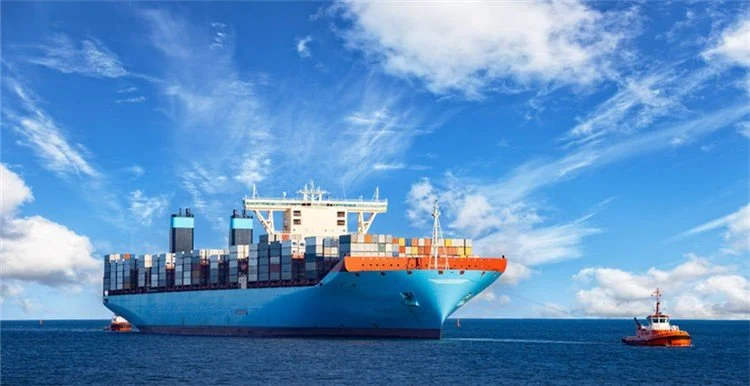
Imported manufacturing machinery finance and valuation risk for overseas supplier deposits – Switchboard Finance
 Insights · Business Owners Finance Hub
Overseas Supplier Deposit Risk (2026): When the Machine Lands at a Lower Valuation Than You Paid — The 5 Pre-Order Fixes
A manufacturer can pay a big overseas supplier deposit, wait months for the machine to land, and still end up short on settlement day because the lender values the asset below what was actually paid. The danger is not just the valuation gap itself — it is committing to the order before you know how the lender will read the landed cost, the asset type and the shortfall risk. Nick Lim is an FBAA-accredited finance broker at Switchboard Finance, and this post is built around the import files that go wrong before the machine even ships.
The biggest import risk is assuming the lender will fund your landed cost just because that is what the machine actually costs you. Lenders usually fund against their view of value, not your full outlay. If freight, duties, specialist install scope or supplier pricing push the total above lender value, you can end up with a last-minute deposit shortfall.
This page is about avoiding that trap before the order is placed. Start with the Business Owners Finance Hub, then the manufacturing explainer Manufacturing Equipment Finance Melbourne, and the forced target Manufacturing Plant Finance Eligibility Scorecard (2026) before you send a deposit offshore.
1) Why imported machines create a settlement shortfall even when the purchase looks fine
Imported plant files fail differently from local dealer files. The problem is rarely just the machine price. It is the gap between what the business pays in real life and what the lender is prepared to treat as fundable value under Equipment Finance.
That gap often widens because the manufacturer commits early. A supplier asks for 30% up front, the machine is built overseas, freight and customs are added later, and only after the asset lands does the business discover the lender’s valuation sits below the total spend. That is where the real pain starts: the deposit is already gone, the machine is already on the water, and the shortfall has to be covered before Settlement.
The underlying valuation concept already sits in Imported Machinery Finance (2026): Landed Cost vs Valuation. What this page adds is the practical protection layer: what to check before the order goes live, and what to fix before the lender forces a bigger deposit than you budgeted for.
| What you pay | What lender may fund | Where shortfall appears |
|---|---|---|
| Supplier invoice + deposit | Lender-supported asset value only | Supplier deposit becomes unrecoverable pressure |
| Freight, duty, customs, handling | Not always fully recognised in value | Landed cost exceeds approved advance |
| Specialised or custom machine premium | Valuation may haircut niche resale assumptions | Extra equity needed at settlement |
| Soft costs bundled too loosely | Some lines may be excluded from funded value | Deposit jump right before drawdown |
A manufacturer ordered a European machine with a 30% deposit and assumed the lender would fund the full landed cost once it arrived. After freight and import costs were added, the lender’s valuation came in well below total outlay. The business was not declined, but it still had to find the shortfall fast or delay settlement and warehouse release.
2) The 5 pre-order fixes that reduce deposit shock before you commit
The cleanest protection move is getting your structure right before money leaves Australia. That means understanding what the lender values, what they do not, and how much buffer the deal may need if the imported asset comes in below total cost.
This is also where many manufacturers confuse quote price with financeable value. They are not the same thing. If the import file is niche, staged or heavily customised, the risk rises again. That is why this page should be read alongside the winner-seed Private Sales, Auctions & Imports: 6 Deposit and Valuation Risks That Kill Plant Approvals and the sibling Long-Lead Machinery Funding Timeline (2026).
Test likely lender value before paying the overseas deposit
Do not wait for the machine to land before stress-testing value. If the asset is specialised, imported or less common in Australia, assume the lender may apply a tighter LVR than you want. Getting that read early is the difference between planning a buffer and getting blindsided on delivery.
Separate true asset cost from soft or weakly fundable lines
Manufacturers often roll too many peripheral costs into one expectation of fundability. If the quote mixes machinery, ancillary services and non-asset lines too loosely, some of that spend may fall outside what the lender treats as core value. That is why Factory Upgrade Pack (2026): 12 Costs You Can Bundle Into Equipment Finance matters before you lock the supplier scope.
Map how freight, customs and import charges affect the real gap
The machine may still be good value commercially and yet weakly valued for finance. Freight and customs costs are real cash outlays, but they do not automatically translate into lender value. If you do not model that gap early, the first time you feel it is when drawdown does not cover the landed total.
Do not let progress payments outrun your funding path
Custom or staged imports can demand multiple payments before the machine is even usable. If that sequence is not matched properly, the business can burn working cash and still arrive at settlement short. That is why the sibling Custom Machine Progress Payments (2026) matters for any build-order equipment coming from Asia or Europe.
Decide in advance how you will cover any shortfall
If lender value lands below real cost, somebody covers the gap. It will either be the business, a separate facility, or a revised structure. Waiting until the machine lands to answer that question is how otherwise-healthy operators get trapped. Your upfront check should include whether the business can handle that gap without choking operating cash or breaching internal Affordability.
A food manufacturer buying from Asia cleaned this up early by separating the core machine from softer scope, stress-testing lender value before deposit, and planning a buffer for any landed-cost gap. The order still proceeded, but it proceeded with eyes open rather than with a settlement surprise.
3) What happens when the machine lands below valuation — and why waiting makes it worse
Once the machine is built, shipped and landed, leverage drops. The business has usually already paid the supplier deposit, time has passed, and delivery pressure is high. At that point the lender is not interested in your sunk cost. They are interested in their own view of asset value and recovery risk under Asset Finance.
That is why manufacturers should think about this as a sequencing problem, not just a valuation problem. The strongest import files line up proof, structure and timeline before the first overseas payment. That is also why the money-page target Manufacturing Plant Finance Eligibility Scorecard (2026) and the sibling Manufacturing Equipment Finance Documents Checklist (2026) are worth using together.
For general borrower guidance around finance decisions and commitments, the root-level external reference at MoneySmart is useful. But the main commercial lesson here is simple: do not wire a large overseas deposit until you know what the lender is likely to recognise as fundable value and what happens if the machine lands light on valuation.
- Before order: pressure-test value, quote scope and shortfall risk.
- Before deposit: know what lines are actually fundable and what are not.
- Before shipment: know how the business would cover any residual gap.
An operator who waits until post-arrival to solve the shortfall is already negotiating from weakness. An operator who fixes the gap before the deposit is paid can still order the same machine — just with a structure that survives settlement day.
Imported machinery deals usually go wrong before the order is placed, not after the machine lands. The core risk is paying a large overseas deposit and assuming the lender will fund the full landed cost later, only to discover the lender values the asset lower and the business has to plug the shortfall.
Manufacturers should start with the Business Owners Finance Hub, then the broad explainer Manufacturing Equipment Finance Melbourne, the core valuation page Imported Machinery Finance, and the Manufacturing Plant Finance Eligibility Scorecard before sending funds offshore.
FAQs
Quick answers for manufacturers importing machinery from Asia and Europe in 2026.
Hubs first. Then the newest reads.
- Business Owners Finance Hub Cashflow facilities + SME pathways
- Tradie Hub Vehicles, tools, civil + low doc packs
- Truckie Hub Owner-driver finance + compliance packs
- Whitecoat Hub Clinics, fitouts + specialist approvals
- Tradie Service-Van Eligibility Scorecard (2026) 12 checks before you bundle shelving, racks, on-board power and tools
- Traffic Management & Site-Setup Finance (2026) What can be bundled vs what needs a pre-start cash buffer
- Ballarat & Western Victoria Tradie + Civil Finance Checklist (2026) Local proof pack for utes, minis, trailers and site-ready add-ons
- Factory-Fit vs Aftermarket Van Fitout Finance (2026) Which quote lines count, which get haircut, and which trigger a deposit
- Ute Fitout Finance Quote Checklist (2026) What to itemise so it doesn’t trigger re-quotes
- Ute Fitout Finance Approval Traps (2026) Seven traps that slow approvals (and how to avoid them)
- Performance Bonds & Bank Guarantees (2026) The approval rules civil contractors trip over
- South East Melbourne Tradie + Civil Plant Finance Checklist (2026) VIC proof pack for faster low doc approvals

 Accredited Member
