
Melbourne NDIS Provider Vehicle Finance Checklist (2026)
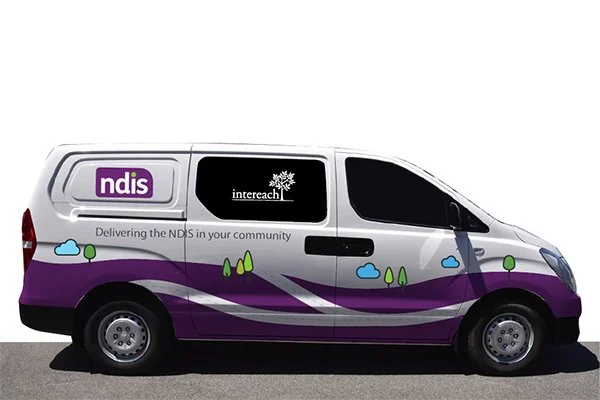
NDIS vehicle finance checklist for Melbourne providers – Switchboard Finance
 Insights · Melbourne
Melbourne NDIS Provider Vehicle Finance Checklist (2026): People Movers, Wheelchair Vans & the 9 Proof Items That Speed Up Low Doc Approval
For Melbourne NDIS providers, vehicle finance usually slows down before rate is even discussed. The issue is normally not the vehicle itself — it is the proof pack behind the deal: the right quote, the right trading evidence, the right explanation for how the vehicle is used, and clean supporting documents from day one.
This page is built for providers financing people movers, wheelchair vans and mobile service vehicles on low doc terms. It is not a generic car loan page. It is a checklist-led submission map for getting the file cleaner, reducing follow-up questions, and avoiding avoidable delays in the first 48 hours.
- Hub (non-negotiable): Business Owners Finance Hub
- Persona hero explainer: Business Vehicle Finance Melbourne (2026): Low Doc Approval Checklist for ABN Holders & Pty Ltds
- Forced target: Low Doc Vehicle Finance for ABN Holders: 2025 Guide
- Winner seed #1: Low Doc Vehicle Finance Documents Checklist (2025): What ABN Holders Actually Need
- Winner seed #2: Buying a New Car on a Business Registration: 9 Approval Killers + A Clean Checklist
- Sibling post (different intent): Melbourne Security Patrol Vehicle Finance Checklist (2026): The Approval Pack for Patrol Fleets (Rosters, Contracts, Insurance)
- Sibling post (different intent): Business Vehicle Refinance After an Insurance Claim (2026): Write-Offs, Repairs & the Approval Path
- Glossary (unique, no repeats): Vehicle Finance and Low Doc Loan
The fastest Melbourne NDIS vehicle approvals usually come from a complete submission, not a rushed one. If your quote, usage explanation, business evidence and core compliance documents are clean from day one, the lender has fewer reasons to pause the file. If they are not, the consequence is usually more follow-ups, slower turnaround, and sometimes a bigger deposit request.
| Proof item | Why it matters | What goes wrong when it’s weak | Cleaner move |
|---|---|---|---|
| 1. Vehicle quote | Lenders need an itemised starting point | Missing detail can trigger re-quotes | Use a clear quote that matches the actual setup |
| 2. ABN + trading story | Shows the business is real and operating | Mismatch creates serviceability questions | Keep the business description simple and consistent |
| 3. Bank statement conduct | Helps the lender read day-to-day stability | Messy conduct can slow review | Submit cleaner recent statements first |
| 4. Turnover evidence | Supports affordability and usage | Weak evidence reduces confidence | Use clean operating account evidence |
| 5. Vehicle use explanation | Clarifies why this vehicle fits the business | Generic explanations invite more questions | Explain routes, passenger use and fitout need |
| 6. Driver / operator logic | Shows who will use it and how often | Ambiguity can look speculative | Keep the operational story tight |
| 7. Insurance readiness | Signals settlement readiness | Late insurance delays funding | Prepare insurance evidence early |
| 8. Deposit plan | Shows how the shortfall is covered | No deposit logic can stall approval | Name the deposit source clearly |
| 9. Fitout / access extras | Specialty items can affect valuation | Hidden extras can trigger changes late | Declare the full setup upfront |
1) Why NDIS vehicle files slow down even when the provider is trading fine
NDIS vehicle deals often look simple from the outside because the asset is familiar: a people mover, wheelchair-accessible van, or everyday service vehicle. But lenders do not just assess the car. They assess whether the full deal story makes sense for the business behind it, including how the vehicle is used, what income supports it, and whether the file is presented cleanly.
That is why providers can be profitable and still lose time. If the lender has to chase the quote, ask why the vehicle spec changed, or request extra context on how the business operates, the approval drifts. If you do not fix that upfront, the consequence is usually a slower file and more friction between “submitted” and “conditionally approved.”
- The vehicle alone is not enough — the lender reads the business story behind it.
- Mobility or access setups add complexity — undeclared extras can change how the file is viewed.
- Speed comes from clarity — not just from asking for “fast approval.”
A Melbourne provider applies for a seven-seat people mover for client transport. The first quote is too generic, the lender cannot tell what is included, and the business use note is vague. Nothing is “wrong,” but the file still slows because the lender has to ask basic questions that should have been answered on day 0.
2) The 9 proof items that make the file cleaner from day one
The cleanest way to present this type of deal is with a complete proof pack that answers the obvious lender questions before they are asked. That usually means a usable quote, clear evidence the business is trading, readable statements, and a plain-English explanation of how the vehicle supports service delivery.
If you miss one of the core items, the file can still proceed, but it becomes slower and more conditional. The consequence is often more admin, repeated document requests, and in some cases a weaker approval structure because the lender has less confidence in the submission quality.
- Start with the quote: the lender needs a clear asset picture before they can assess structure.
- Support it with trading evidence: a clean operating story matters more than over-explaining.
- Match the usage note to the asset: people movers, wheelchair vans and mobile staff vehicles should have an obvious commercial purpose.
Two providers apply for similar vans. One submits a clean quote, a simple business-use explanation, recent statements and a clear deposit plan. The other sends only a rough price and says “for transport.” The first file usually moves faster because the lender is not left filling in the blanks.
3) What lenders flag first on NDIS vehicle deals
The first thing lenders usually flag is inconsistency. If the quote says one thing, the explanation says another, and the business activity on the statements tells a different story again, the file becomes harder to read. That does not always kill the deal — but it does slow it.
The second common issue is undeclared extras. Accessibility modifications, seating changes, racks, specialist fittings or add-on equipment can affect how the asset is treated. If you do not disclose the full setup upfront, the consequence can be a revised approval, new valuation questions, or a deposit change after the borrower thought the hard part was done.
- Quote mismatch: the submitted vehicle does not match the intended use case.
- Statement friction: tight recent conduct creates more lender questions.
- Hidden fitout items: undeclared modifications create avoidable delays late in the process.
A provider wants a wheelchair-accessible van but submits a base quote first, then adds the mobility fitout later. The lender has to revisit the structure because the actual funded setup is now different from the original submission.
4) How to make the first 48 hours cleaner
The fastest way to improve the file is to treat it like a submission pack, not just a finance enquiry. That means sending the lender a consistent story the first time: the right vehicle, the right use case, the right supporting evidence, and a clean explanation of how the business will service the repayments.
If you send partial information and promise to “add the rest later,” the file often gets parked behind cleaner deals. The consequence is not just a slower approval. You can also lose momentum with the seller, the dealer or the internal timetable if the vehicle is tied to new staff, new clients or route expansion.
- Submit one clean narrative: quote, business use, statements and deposit logic should all agree.
- Disclose the real vehicle setup: include access or specialty items early.
- Keep the operating account readable: messy recent conduct creates unnecessary friction.
A provider needs the vehicle before a new service roster starts. The clean file gets reviewed quickly because the use case, funding request and proof pack all line up. The messy file gets follow-up emails for basic clarifications and loses days it did not need to lose.
5) What to fix before you apply again if the first submission was messy
If a file has already gone out rough, the smartest move is usually not to keep layering more documents onto the same confusion. Clean it up first. Reset the quote, tighten the business-use explanation, organise the evidence in the order the lender actually needs, and remove contradictions before the next touchpoint.
If you skip that reset and keep pushing a messy submission, the consequence is that the lender sees a file becoming harder to follow, not stronger. That can lead to more conservative terms, slower turnaround, or a deal that should have been straightforward becoming unnecessarily painful.
- Fix the quote first: asset detail errors create downstream issues.
- Rebuild the support pack: clearer ordering improves review speed.
- Use one consistent explanation: avoid changing the story across emails and docs.
A provider first submits an unclear quote and mixed explanations about whether the vehicle is for staff or client transport. After resetting the file into one clear use case with a proper quote and support docs, the same deal becomes much easier for the lender to assess.
Melbourne NDIS provider vehicle files move faster when the proof pack is clean, consistent and complete from day one. The key is not chasing a “faster lender” first — it is removing the obvious reasons a lender pauses the file.
Start with the Business Owners Finance Hub, use the local and vehicle-led checklists around it, and treat this as a submission-quality problem first. If you do not, the consequence is usually more follow-ups, more delay and less control over the outcome.
FAQs
Quick answers for Melbourne NDIS providers preparing a vehicle finance submission.
Use the hubs to navigate, then link through the latest 8 posts from the list you provided.
- South East Melbourne Café Finance Checklist (2026): The Local Proof Pack for Chadstone, Clayton & Moorabbin Venues
- Opening a Second Café Location (2026): The Finance Stack for Fitout, Equipment Float & Working Capital Buffer — and the Approval Sequence That Doesn't Damage Your First Venue's Facilities
- Café Catering Van & Food Vehicle Finance Documents Checklist (2026): The 11 Items Lenders Ask For That Standard ABN Vehicle Checklists Don't Cover
- Café Delivery & Catering Van Finance (2026): The Turnover Proof, Settlement Timing & Merchant Flags That Decide Approval
- Same Lender vs New Lender Refinance (2026): When Loyalty Costs You More — and the Payout + Discharge Sequence That Switches Clean
- The Double-Repayment Month Trap (2026): How to Bridge Old Repayments, New Deposits and a 30-Day Revenue Lag
- Why Consolidating All Your Facilities With One Lender Gets Declined (2026): The Lender Exposure Rules — and the Split-Lender Restructure Map for 3–6 Active Loans
- Bank Statement Narration Red Flags (2026): The 12 Transaction Labels That Slow Vehicle & Equipment Approvals
